
From Boarding Passes to Byte‑Sized Adventures: How Travelers Are Turning Data Into Their Personal GPS
When I booked my first intercontinental flight, the process felt like navigating a maze of paper tickets, phone calls, and vague recommendations from friends. Fast forward a decade, and the same journey can be orchestrated from a single screen, with real‑time insights that feel almost psychic. The shift isn’t just about convenience—it’s a fundamental re‑thinking of how we experience travel. In this post, I’m pulling back the curtain on the tech‑driven travel renaissance that’s letting wanderers design trips the way a chef crafts a tasting menu: precise, personalized, and unforgettable.
The Data‑First Traveler: Why Numbers Matter More Than Ever
Travel used to be driven by brochures and word‑of‑mouth. Today, the modern explorer relies on an ever‑growing ecosystem of data points—flight price histories, crowd density heatmaps, localized weather trends, even the sentiment of social posts about a destination. By aggregating these signals, savvy travelers can answer questions that were once guesswork:
- When is the optimal time to book a flight? Algorithms now sift through millions of fare changes to pinpoint the sweet spot, saving travelers up to 30% on average.
- Which neighborhoods will give me an authentic vibe? Sentiment analysis of Instagram captions and TripAdvisor reviews highlights “hidden gems” that haven’t been overrun by tourists.
- What’s the real‑time crowd level at a museum? Live foot‑traffic data from city sensors lets you sidestep long lines and make the most of limited vacation hours.
These data‑driven insights are the backbone of what I call the micro‑itinerary—a fluid, adaptable plan that evolves as you travel, rather than a static checklist you print and forget.
Building a Micro‑Itinerary: The Three‑Step Framework
Here’s how I structure a data‑centric trip, and you can replicate the process with tools that are often free or low‑cost.
- Define Your Core Intent. Are you chasing culinary delights, outdoor thrills, or cultural immersion? This anchor will filter the noise and keep the data relevant.
- Harvest Real‑Time Signals. Use flight‑price trackers, local event calendars, and crowd‑density apps. I love cross‑referencing multiple sources; for example, I’ll combine a flight‑deal alert with a weather‑pattern model to avoid rainy days in a beach town.
- Iterate on the Fly. As you land, pull in hyper‑local data—like a pop‑up market announced on audio‑first social platforms—and adjust your day. The key is flexibility, not rigidity.
When you treat travel as a living spreadsheet, you unlock a level of control that feels almost like cheating. But the real magic lies in the emotional payoff: you’re no longer reacting to the world, you’re curating it.
Case Study: A Week in Lisbon Without a Guidebook
Last spring, I decided to test this framework in Lisbon, Portugal—a city famed for its hills, pastel‑colored tiles, and endless cafés. Here’s how the data‑first approach reshaped a typical tourist itinerary.
Day 1: Arrival & First Impressions
Instead of heading straight to the historic Alfama district (as most travel guides suggest), I checked a live crowd‑heatmap that showed the area packed with day‑trippers. The same map highlighted the less‑touristy Campo de Ourique, where locals were brunching. I spent the morning there, sipping a pastel de nata while watching the neighborhood wake up. The result? A quieter start and a chance to chat with a local baker who later gave me a secret recipe for his famous custard tart.
Day 2: Riding the “Surf‑and‑Sip” Wave
Using a weather‑prediction engine, I identified a narrow window of 5‑hour sunshine on the Atlantic coast. Simultaneously, a surf‑school app showed a last‑minute discount for a beginner’s lesson. I booked the class, then followed up with a recommendation from a smartphone‑as‑creative‑partner app that suggested a nearby rooftop bar with a view of the sunset. The day blended adrenaline with relaxation—exactly what I wanted but never would have discovered without data.
Day 3: Uncovering the Nightlife That Isn’t “Fado”
Most guidebooks steer travelers toward traditional fado houses after dark. However, sentiment analysis of recent Instagram stories revealed a surge of interest in a hidden jazz club in the Bairro Alto district. I made a spontaneous reservation, and the evening turned into an unforgettable jam session with local musicians. The experience felt curated for my taste, not a generic recommendation.
By the end of the week, I had explored neighborhoods, events, and flavors that would have remained off‑the‑radar for any conventional traveler. The data didn’t just inform my decisions; it amplified my curiosity.
Tools of the Trade: The Tech Stack Behind a Data‑First Trip
Below is a quick rundown of the categories of tools I rely on. Most have free tiers, so you can experiment without a hefty subscription.
- Flight & Accommodation Trackers: Skyscanner, Google Flights, AirDNA for short‑term rentals.
- Crowd‑Density & Real‑Time Maps: Google Popular Times, Citymapper, local municipal sensor dashboards.
- Social Listening Platforms: Tools that scan hashtags and audio clips on emerging platforms—think of them as the audio‑first social media equivalent for travel.
- Weather Forecast Engines: Dark Sky API (now part of Apple Weather), or open‑source alternatives that provide hyper‑local predictions.
- Personal Knowledge Bases: Notion or Roam Research to stitch together notes, links, and itineraries in one place.
When these tools talk to each other—via Zapier, IFTTT, or native integrations—you get a seamless workflow that feels like a personal travel concierge.
Beyond the Trip: Turning Travel Data Into Memories
Collecting data isn’t just about optimization; it’s also a powerful storytelling engine. I’ve started using my smartphone as a creative partner to automatically tag photos with location, weather, and even the crowd density at the moment of capture. Later, I feed this metadata into a simple script that generates a visual timeline—a living scrapbook that blends numbers with narratives.
Imagine scrolling through a map of your journey where each pin not only shows a photo but also a snapshot of the ambient temperature, the local buzz, and a short audio clip of a street performer you heard that day. It transforms a trip from a collection of snapshots into an immersive, data‑rich memory.
The Future of Travel: AI‑Guided Exploration and Ethical Data Use
We’re on the cusp of an era where AI agents will negotiate flights, book restaurants, and even suggest detours based on your real‑time mood (detected via wearable sensors). While this sounds like a sci‑fi plot, early prototypes already exist. The challenge—and opportunity—for us as travelers is to ensure that the data we hand over is used responsibly.
Here are three ethical guidelines I follow:
- Transparency: Choose services that clearly explain how your location and preference data are stored and shared.
- Consent: Opt‑in only to the data streams that genuinely enhance your experience; disable background tracking that offers no tangible benefit.
- Local Impact: Use data to support sustainable tourism—like avoiding over‑crowded sites and directing spending toward lesser‑known local businesses.
When the industry aligns profit motives with traveler well‑being and community health, the data loop becomes a virtuous cycle rather than a one‑way extraction.
Putting It All Together: Your First Data‑First Adventure
Ready to test the approach? Here’s a quick starter kit you can assemble tonight:
- Set Up Alerts: Use Google Flights price alerts for your desired destination.
- Download a Crowd‑Density App: Citymapper or a local tourism board app.
- Activate Social Listening: Follow relevant hashtags on TikTok or emerging audio platforms; set up a simple RSS feed to catch real‑time posts.
- Create a Travel Notebook: Open a Notion page titled “Data‑First Trip – Destination” and embed links, screenshots, and notes as you research.
Within 48 hours you’ll have a living document that evolves as you discover new data points. The next step is simply to let the numbers guide you, while you bring the human curiosity that turns a spreadsheet into an adventure.
Travel isn’t just about crossing destinations off a list—it’s about weaving a narrative that’s as unique as your fingerprint. By embracing data as a co‑pilot, you gain the freedom to explore beyond the tourist traps, to discover the soul of a place, and to return home with stories that feel both authentic and meticulously curated.
So, next time you’re planning a getaway, ask yourself: What would a data‑first traveler do? The answer might just be the most exciting itinerary you’ve ever imagined.

Paul Flynn is a versatile freelance writer equipped with a diverse skillset and a portfolio that reflects his wide-ranging interests and expertise. From crafting compelling website copy and engaging blog posts to delivering in-depth articles and meticulously researched reports, Flynn demonstrates a remarkable ability to adapt his writing style to suit various audiences and purposes.
Related Posts

Off‑Map Adventures: Turning Detours Into Stories
Embrace travel mishaps as narrative catalysts; learn practical strategies to turn missed flights and... Read More
Beyond the Itinerary: Crafting Meaningful Journeys in a Connected World
Discover how intentional travel, community-sourced insights, and smart technology are redefining vac... Read More

The Quiet Revolution of Micro‑Adventure Travel: Tiny Trips, Big Impact
Micro‑adventures—short, local outings that require minimal planning—are reshaping travel by em... Read More
Top Posts

From Playroom to Boardroom: How Toy Engineering Fuels Modern Product Innovation
A deep dive into how the playful principles of construction toys, inclusive design, and sustainable materials can inspire faster, more resilient SaaS product de...Read More

Google’s Helpful Content Update: How to Write for Humans and Rank Higher
A practical guide to Google’s Helpful Content update, showing how to craft authentic, user‑centric articles that satisfy readers and improve search rankings...Read More
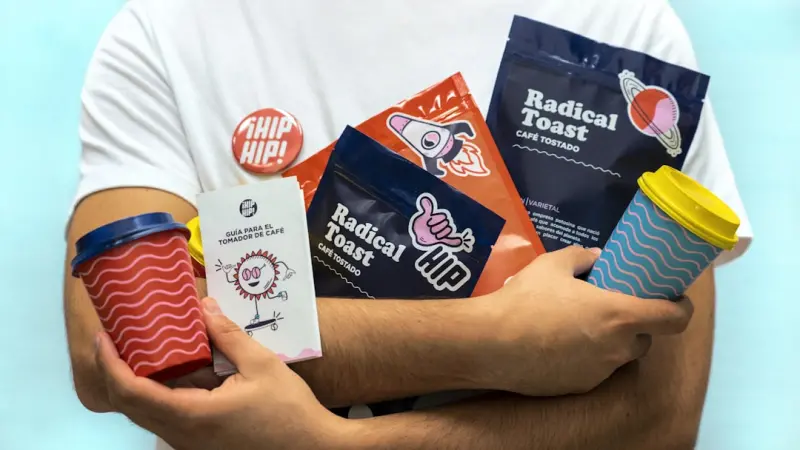
Branding Beyond the Logo: Crafting a Sensory Ecosystem for SaaS
In this article, Dale Peterson reveals why modern SaaS branding must go beyond visual identity, exploring auditory cues, headless content consistency, employee ...Read More

Celebrating Sustainably: How to Make Your Special Occasions Eco-Friendly
Celebrations can have a significant impact on the environment, but with a few simple changes, you can make your special occasions more sustainable. Learn how to...Read More
0 Comments
Post Comment
You will need to Login or Register to comment on this post!