
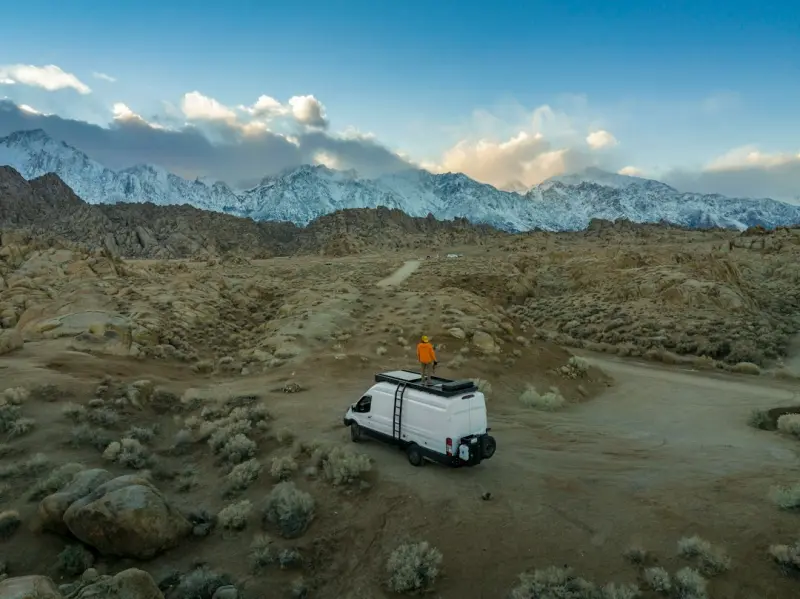
Why Micro‑Adventures Are the New Frontier in Travel
When the word travel first entered my mind, I imagined sprawling itineraries, passport stamps, and endless days spent navigating foreign airports. Over the past few years, however, a quieter, more intentional movement has taken root: the rise of micro‑adventures. These are short, local, low‑cost excursions that demand minimal planning yet deliver a profound sense of discovery. They’re not weekend getaways to a resort; they’re sunrise hikes to a hidden waterfall, midnight bike rides through a city’s historic quarter, or a one‑day kayaking trip on a nearby river. The trend is reshaping how we think about travel, and it aligns perfectly with a world that increasingly values sustainability, flexibility, and authentic connection.
The Origins of the Micro‑Adventure Movement
The concept was first popularized by British adventurer Alastair Humphreys, who urged people to “turn the everyday into an adventure.” While his early writings focused on the British countryside, the idea quickly resonated globally. In an era where remote work has untethered many from traditional office spaces, the desire to break routine without sacrificing professional responsibilities has surged. Travelers now crave experiences that fit within a lunch break, a long weekend, or even a single afternoon.
Sustainability at Its Core
One of the most compelling reasons micro‑adventures have gained traction is their minimal environmental footprint. Traditional tourism often involves long flights, large hotel chains, and mass‑produced souvenirs—each contributing to carbon emissions and resource depletion. In contrast, a micro‑adventure usually relies on existing local infrastructure, public transportation, or even walking and cycling. By staying close to home, you reduce travel‑related emissions dramatically.
Moreover, these brief outings encourage travelers to support local economies. Buying a fresh‑baked croissant from a neighborhood bakery, hiring a community guide for a short city tour, or renting equipment from a local outfitter keeps money circulating within the area you’re exploring. The impact is a win‑win: you get an authentic experience while fostering sustainable tourism practices.
Technology: The Silent Enabler
While micro‑adventures feel low‑tech on the surface, modern technology plays a silent yet crucial role. The rise of edge‑powered mobile apps means you can download detailed maps, trail guides, and safety alerts that function offline—perfect for remote wilderness where cell service is spotty. No longer do you need to pre‑download massive files; the device processes data locally, conserving battery life and ensuring you stay informed even when disconnected.
Planning has also been transformed by artificial intelligence. Imagine an app that learns your preferences—whether you love quiet forests or bustling street markets—and then suggests a micro‑adventure tailored to your schedule. This is where your smartphone becomes a personal AI co‑pilot, curating routes, checking weather, and even alerting you to local events you might have missed. The result is a seamless blend of spontaneity and informed decision‑making.
Health Benefits: A Reset for Body and Mind
Micro‑adventures are more than just a hobby; they’re a health prescription. Short bursts of physical activity—like a brisk 3‑kilometer hike or a 45‑minute paddle—trigger the release of endorphins, reducing stress and boosting mood. The mental shift from “commuting” to “exploring” also combats burnout, a common affliction for remote workers and office‑based professionals alike.
Research shows that exposure to natural environments improves cognitive function and creativity. A 20‑minute walk in a park can enhance problem‑solving skills, making micro‑adventures a strategic tool for those seeking a mental edge. For families, these outings provide quality bonding time without the logistical nightmares of a full‑blown vacation.
Micro‑Adventure Planning: A Practical Guide
Ready to dive in? Below is a step‑by‑step framework that turns the abstract idea of a micro‑adventure into a concrete plan you can execute in under an hour.
- Define Your Time Window: Identify the maximum amount of time you can allocate—whether it’s a 2‑hour lunch break, a Saturday afternoon, or a full weekend.
- Set a Theme: Choose a focus—water, height, history, food, or art. Themes give purpose and help narrow options.
- Research Local Assets: Use community boards, social media hashtags, or local tourism sites. Apps that leverage digital twins of cities can provide a virtual walk‑through of neighborhoods, letting you preview routes and points of interest.
- Check Logistics: Confirm transportation (bike share, public transit, walking distance), gear needs (water shoes, camera), and any required permits.
- Pack Light: A reusable water bottle, a snack, a compact rain jacket, and a charged phone are usually enough.
- Set Boundaries: Decide on a “return time” to ensure the adventure stays within your schedule.
- Document Sparingly: Capture one or two moments, then fully immerse yourself in the experience.
Case Study: A Day in the Urban Wilderness
Take the example of a tech consultant living in a mid‑size city who wanted to break the monotony of daily video calls. Using a combination of a public bike‑share system and an offline trail app, they embarked on a 5‑kilometer ride to a nearby nature reserve that was only 30 minutes away by bike. The route passed through a historic industrial district repurposed into street art galleries, providing visual stimulation before reaching the serene forest trail.
During the hike, they stopped at a small, family‑run bakery for a fresh croissant—supporting the local economy—and spent an hour exploring a waterfall that was hidden behind a series of stepping stones. The entire micro‑adventure lasted just under six hours, yet the consultant returned to work feeling refreshed, creatively inspired, and with a renewed sense of community belonging.
Integrating Micro‑Adventures Into Corporate Culture
Forward‑thinking companies are beginning to recognize the value of micro‑adventures as a component of employee well‑being programs. By encouraging short, local outings, businesses can reduce burnout, foster team bonding, and even spark innovative ideas. Some firms provide a modest “adventure stipend” that employees can use for gear or local transport passes.
In practice, a team might schedule a quarterly “explore hour,” where members leave the office to discover a nearby park or cultural site together. The shared experience builds rapport and often leads to spontaneous brainstorming sessions that translate into creative solutions for business challenges.
Future Outlook: From Micro to Macro
While micro‑adventures currently dominate the conversation, the underlying principles are poised to influence larger travel trends. As climate concerns intensify, the industry is likely to shift toward more localized tourism models, reducing the reliance on long‑haul flights. Moreover, advances in augmented reality (AR) could layer historical narratives onto everyday streets, turning a simple stroll into an immersive learning experience.
The convergence of sustainable practices, flexible work arrangements, and technology will continue to blur the lines between “work” and “play.” In this evolving landscape, micro‑adventures serve as a proving ground for a more responsible, balanced way of seeing the world.
Getting Started: Your First Micro‑Adventure Checklist
Below is a printable checklist you can keep on your fridge or in a notes app. It’s designed to make the planning process effortless, so you can focus on the joy of discovery.
- ☐ Identify available time slot
- ☐ Choose a theme (nature, culture, food, art)
- ☐ Research local spots using community guides or digital twins
- ☐ Verify transportation options
- ☐ Pack essentials (water, snack, weather‑appropriate clothing)
- ☐ Set a return deadline
- ☐ Capture one photo or note
- ☐ Reflect on experience (what surprised you? what will you do next?)
Micro‑adventures remind us that exploration isn’t confined to distant lands or lengthy vacations. It lives in the moments we carve out for ourselves, right on our doorstep. By embracing these small yet powerful journeys, we contribute to a more sustainable planet, nurture our own well‑being, and rediscover the wonder that makes travel timeless.

Margaret Thomson is a seasoned freelance writer specializing in the dynamic worlds of marketing and advertising. With a career deeply rooted in the marketing field, Margaret brings a wealth of practical experience and insightful knowledge to her writing.
Related Posts

How to Turn Vacation Snapshots into AI‑Powered Marketing Gold
Discover a step‑by‑step workflow that transforms vacation photos into AI‑enhanced marketing as... Read More
Data‑First Travel: Crafting Micro‑Itineraries With Real‑Time Insights
Explore a data‑first approach to travel that blends real‑time flight prices, crowd heatmaps, and... Read More

Turning Business Trips into Creative Expeditions
Learn a three‑phase framework to turn ordinary business trips into purposeful expeditions, unlocki... Read More
Top Posts

Adventure Gaming Meets the Outdoors
Adventure gaming blends real‑world exploration with interactive narratives, turning hikes into collaborative quests that enhance health, foster community, and...Read More

Beyond the Screen: How Gaming Shapes Real‑World Skills and Relationships
Gaming isn’t just entertainment—it sharpens strategic thinking, fosters lasting friendships, and even boosts physical and mental wellness, offering a powerf...Read More

Beyond Keywords: Building an Experimentation‑Driven SEO Engine for the AI Era
SEO today demands a shift from static checklists to an experimentation mindset. This post shows how to build a living SEO engine using structured data, zero‑p...Read More

WordPress as the Enterprise Engine: Scaling Content, AI, and Security for Modern Businesses
Explore why WordPress is no longer just a blogging platform but a robust enterprise engine that supports headless delivery, AI‑driven personalization, multili...Read More
0 Comments
Post Comment
You will need to Login or Register to comment on this post!