
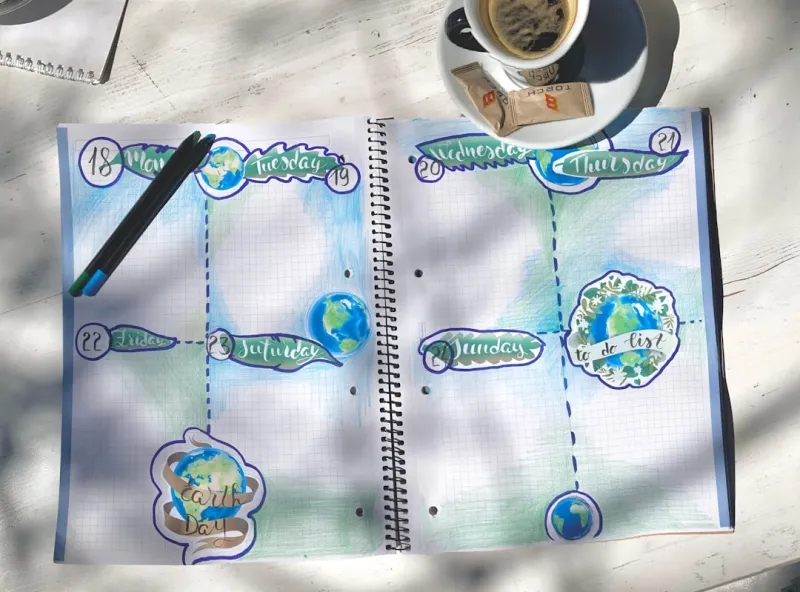
Growing up in a world that’s constantly buzzing with new apps, viral challenges, and a never‑ending stream of content can feel overwhelming, but it also gives us a unique chance to shape the future from the ground up. I remember the first time I realized that my love for gaming could be a gateway to real‑world impact, and that moment sparked a lifelong quest to blend fun with responsibility. Today, I’m sharing the playbook that turns everyday curiosity into a sustainable superpower, because when kids and teens lead the charge, the ripple effects reach every corner of society.
Why Sustainability Matters for Young Minds
First, sustainability isn’t just an adult buzzword—it’s a narrative that resonates with the energy, creativity, and idealism that define youth culture. When we talk about protecting the planet, we’re really talking about safeguarding the playgrounds, the oceans where surfers ride the next wave, and the forests that inspire the best adventure stories. By framing environmental stewardship as a personal adventure, we give teens a sense of ownership over the world they inherit.
Second, the science behind climate change is complex, but the emotional connection is simple: it’s about caring for the places we love. When schools integrate hands‑on projects—like building a school garden or measuring the carbon footprint of a school lunch—we turn abstract data into tangible experiences that stick. These projects empower students to see that their choices matter, and that even small actions, like swapping plastic bottles for reusable ones, can add up to massive collective impact.
Finally, the digital realm offers a powerful platform for youth voices to amplify sustainable ideas. From TikTok challenges that showcase up‑cycled fashion to Instagram reels that teach quick zero‑waste hacks, the next generation is already rewriting the script. By encouraging them to share their stories, we turn social media from a consumption engine into a catalyst for change, turning every scroll into a potential spark for a greener future.
Turning Everyday Choices into Superpowers
One of my favorite habits is treating everyday decisions as secret missions—like a video game where each level unlocks a new badge for the planet. For instance, I started tracking the waste I produce, turning a mundane chore into a competitive leaderboard with friends; the winner each month gets to pick the next eco‑challenge. This gamified approach makes sustainability feel less like a lecture and more like an exciting quest that fuels friendly competition.
Another powerful tool is conscious consumerism, and I’ve documented my journey in How I Turned My Shopping Habit Into a Sustainable Superpower. By swapping fast‑fashion buys for thrifted gems, I not only saved money but also discovered a treasure trove of unique styles that let me express my personality without harming the planet. This mindset shift teaches teens that personal branding can be both stylish and sustainable, proving that individuality and responsibility aren’t mutually exclusive.
Lastly, the spaces we inhabit at home can become eco‑friendly studios for creativity. I recently revamped my room using ideas from Sustainable Home Decor Trends That Transform Your Space, swapping out plastic lamps for bamboo fixtures and adding plant walls that improve air quality while serving as living art installations. These simple upgrades turn any bedroom into a launchpad for innovative thinking, showing that even the smallest environment can be a laboratory for sustainable design.
Playful Paths to a Greener Future
When it comes to kids, the most effective lesson often arrives disguised as play, which is why I’m thrilled about the movement highlighted in Playful Sustainability: Rethinking Toys for a Greener Future. Imagine a world where Lego bricks are made from recycled ocean plastic, or where board games teach carbon budgeting through immersive storytelling. These toys do more than entertain—they embed ecological principles into the very fabric of childhood imagination.
To make these ideas actionable, consider integrating a weekly “Eco‑Lab” session at home or in school, where kids experiment with up‑cycling everyday items into new creations. Here’s a quick starter list:
- Turn old t‑shirts into reusable tote bags.
- Use bottle caps to build a magnetic sculpture.
- Create a mini‑compost bin from a plastic container.
Each activity not only nurtures problem‑solving skills but also reinforces the idea that waste is simply a resource waiting to be reimagined.
Beyond hands‑on projects, storytelling remains a cornerstone of engagement. By weaving narratives where protagonists solve climate challenges using science, art, and community spirit, we inspire kids to see themselves as heroes in their own sustainability saga. Whether it’s a short video series or a comic strip shared on school newsletters, the message stays clear: every action, no matter how small, contributes to a larger, hopeful story.
Finally, the power of community amplifies individual efforts. Organizing neighborhood clean‑ups, hosting swap‑meet events, or launching a teen‑run recycling club can turn isolated acts into collective movements. When teens witness peers taking bold steps, the social proof fuels a ripple effect, turning sustainability from a personal habit into a cultural norm that defines their generation’s identity.
In the end, the journey toward a greener world is less about grand gestures and more about the daily choices we celebrate, share, and turn into rituals. By framing sustainability as an adventure, a game, and a creative outlet, we empower the next generation to lead with confidence, curiosity, and compassion. So, let’s grab our reusable water bottles, power up our eco‑apps, and set the stage for a future where every teen feels proud to be a steward of the planet.

Jimmy Stewart is a content creator that gets inspired by many aspects of life, internet or whatever inspires him at that moment. When he's not online he's gaming and when he is not gaming he is online trolling discussion boards.
Related Posts
Raising the Next Generation of Sustainability Leaders: A Parent's Guide
Raising eco-conscious kids is crucial for the future of our planet. Learn how to instill sustainable... Read More
Raising Eco-Conscious Kids: A Parent's Guide to Nurturing Sustainable Values
Learn how to raise eco-conscious kids who will become the next generation of sustainability leaders.... Read More
Raising Eco-Conscious Kids: A Guide to Sustainable Parenting
As a parent, teaching your kids about sustainability is crucial for their future and the planet's we... Read More
Top Posts
The Intersection of SEO and Sustainability: A New Era of Eco-Friendly Digital Marketing
The intersection of SEO and sustainability is a rapidly evolving field that offers businesses a unique opportunity to reduce their environmental footprint while...Read More

The Evolution of Sustainable Email Marketing: A New Era of Digital Communication
The way we communicate with our audiences is undergoing a significant transformation. Learn how sustainable email marketing can help you reduce your environment...Read More
Celebrating Sustainably: How to Reduce Waste and Make a Positive Impact
Celebrating sustainably is a great way to reduce waste, promote eco-friendly practices, and create a healthier and more sustainable future. Learn how to make a ...Read More

Why WordPress Developers Are Turning Green: Trends, Tools, and Tips
Explore how WordPress developers are embracing sustainability—learn about green hosting, lightweight themes, eco‑friendly plugins, and AI tools that cut car...Read More
0 Comments
Post Comment
You will need to Login or Register to comment on this post!