
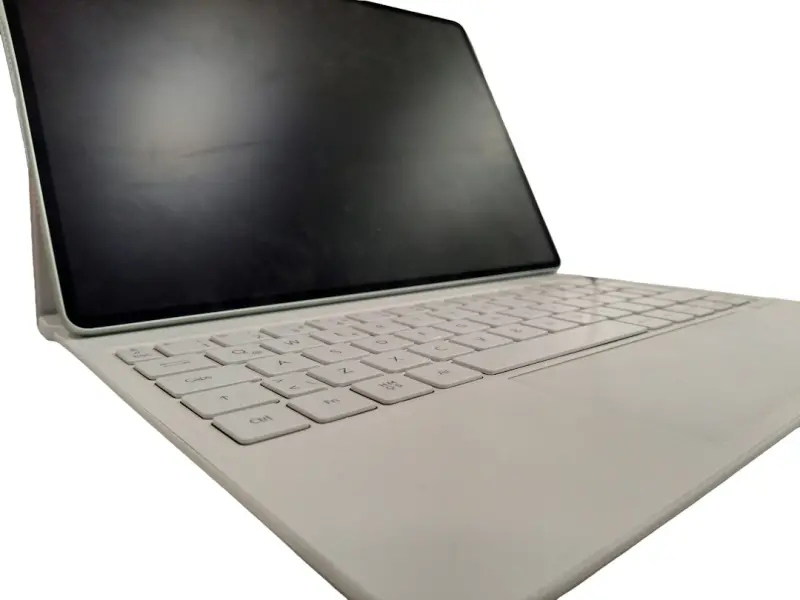
Why Your Laptop Is the Unsung Hero of Hybrid Work
When I first swapped a clunky desktop for a sleek ultrabook three years ago, I thought I was merely chasing portability. Fast‑forward to today, and I’m convinced that the laptop has become the strategic centerpiece of every hybrid work setup. It’s not just a screen and a keyboard; it’s a platform for ergonomics, security, performance, and even mental well‑being. In this deep dive I’ll share the mindset shifts and concrete tweaks that turned my everyday laptop from “just another device” into a productivity powerhouse that adapts to office desks, coffee‑shop tables, and couch‑side brainstorming sessions alike.
The Architecture of a Future‑Ready Machine
The first thing many of us overlook is the modular architecture of modern laptops. Unlike the monolithic towers of the past, today’s devices often let you swap out RAM, SSDs, and even GPUs with relative ease. This means you can start with a modest configuration for travel and later upgrade the storage or memory when you need more horsepower for data‑intensive tasks. When you buy a laptop, ask yourself:
- Is the RAM soldered or removable? Upgrading from 8 GB to 16 GB can double multitasking fluency.
- Does the SSD use a standard M.2 slot? A 1 TB NVMe drive can replace a 256 GB unit without replacing the whole chassis.
- Is there an external GPU (eGPU) port? For creative pros, an eGPU can give you desktop‑class graphics without the bulk.
By treating your laptop as a living platform, you sidestep the “buy‑once‑trash‑later” mindset and keep the device relevant for years.
Ergonomics: The Quiet Game‑Changer
Let’s talk about posture. Most of us treat a laptop as a single‑piece workstation, hunching over the keyboard while the screen sits too low. The result? Neck strain, reduced focus, and a lingering sense that you’re “working in a trench.” The fix is surprisingly simple: separate the keyboard from the display.
Invest in a compact USB‑C dock and an external mechanical keyboard. Pair them with a lightweight, adjustable monitor stand (or even a stack of sturdy books) and you’ve got a ergonomic trifecta. Your eyes stay level with the screen, your wrists stay neutral on a well‑spaced keyboard, and you can switch from sitting to standing with a portable living process orchestrators mindset—treating each work mode as a dynamic workflow rather than a static checklist.
Power Management: Battery Life Meets Performance
Battery anxiety is the modern equivalent of “the printer is jammed.” The trick is to master the balance between power savings and raw performance. Here are three habits that have extended my workday runtime from 5 to 9 hours on a single charge:
- Enable adaptive brightness. Most modern laptops use ambient light sensors; let them do the heavy lifting.
- Throttle background processes. Use the built‑in task manager to suspend idle apps, especially cloud sync services that drain power when idle.
- Leverage “quiet mode” profiles. Many OEMs ship performance modes that dial down CPU frequency when you’re on battery. Switch to “balanced” for most tasks and only flip to “high performance” when you need that extra crunch.
Combine these tweaks with a 65 W USB‑C charger that supports fast charging, and you’ll never be caught without a spark of energy during an unexpected video call.
Security: Turning Your Laptop Into a Fort Knox
Hybrid work expands your attack surface: coffee‑shop Wi‑Fi, personal routers, and public power outlets are all potential entry points. To keep your data safe, I treat security as an ongoing conversation with the device, not a one‑time checklist. Here’s my playbook:
- Full‑disk encryption (FDE). Enable BitLocker or FileVault right after the first boot.
- Zero‑trust VPN. Use a reputable VPN that authenticates each device per session, not just per network.
- Hardware‑based password managers. Devices like the YubiKey can store credentials offline, eliminating the risk of cloud‑based breaches.
- Regular firmware updates. Set your BIOS/UEFI to auto‑update; firmware patches often close low‑level vulnerabilities before they become headlines.
When you pair these measures with a disciplined habit of locking the screen whenever you step away, your laptop becomes a personal bastion that rivals corporate desktops in resilience.
Software Stack: The Rise of low-code development on the Go
One of the most transformative trends I’ve witnessed is the shift of low‑code platforms to the laptop environment. Where once you needed a powerful workstation to spin up a prototype, now a 13‑inch ultrabook can run a full‑stack low‑code IDE, letting you iterate in real time wherever you are.
Why does this matter? Because it collapses the traditional “development‑then‑deployment” pipeline into a single, portable workflow. You can:
- Sketch UI components on a tablet, sync instantly to your laptop, and see a live preview.
- Connect to cloud‑based data sources without a VPN, thanks to built‑in OAuth flows.
- Push production‑ready code with one click, all from the same device you use to write emails.
This convergence means the laptop isn’t just a consumption device; it’s a creation engine that empowers product teams to prototype faster and iterate without the friction of switching hardware.
Display Real Estate: More Than Just Pixels
When you think about a laptop’s display, the first thing that comes to mind is resolution. While a 4K screen looks gorgeous, the real win is pixel density paired with screen size. A 14‑inch 3K display often feels more comfortable than a 15‑inch 4K panel because the scaling factor stays near 150 %, keeping text crisp without making UI elements too tiny.
Beyond raw specs, consider color accuracy if your work involves design or data visualization. Look for a display that covers at least 100 % sRGB and includes a hardware calibration tool. Finally, enable “dark mode” for long‑hour coding sessions; it reduces eye strain and can even save a few percent of battery life on OLED panels.
Peripheral Ecosystem: Building a Mini‑Desk Anywhere
The real magic of a modern laptop emerges when you surround it with a curated set of peripherals. My go‑to kit includes:
- Wireless charging mouse. It keeps the mouse powered and reduces desk clutter.
- Portable SSD (Thunderbolt 4). A 2 TB drive gives you instant backup and fast file transfers without relying on cloud bandwidth.
- Compact 1080p webcam with privacy shutter. In an era of video‑first meetings, a high‑quality camera signals professionalism.
- Noise‑canceling earbuds. They create a personal sound bubble, letting you focus whether you’re at a co‑working space or a bustling airport lounge.
Each of these accessories plugs into a single USB‑C hub, turning a coffee table into a fully functional workstation in under two minutes.
Future‑Proofing: The Emerging Trends to Watch
Looking ahead, a few nascent developments will shape how we interact with laptops over the next few years:
- AI‑assisted UI scaling. Machine‑learning models that dynamically adjust UI element sizes based on eye‑tracking, reducing the need for manual zoom.
- Carbon‑neutral chassis. Manufacturers are experimenting with recycled aluminum and bio‑based polymers, turning your laptop into an eco‑friendly statement.
- Integrated privacy screens. Built‑in hardware shutters that darken the display at the press of a button, safeguarding sensitive information in public spaces.
While these innovations are still rolling out, keeping an eye on them ensures you can plan upgrades that align with both performance goals and personal values.
Wrapping It All Up: A Checklist for the Modern Laptop Warrior
To make the most of the insights above, here’s a concise action plan you can execute this week:
- Audit your hardware. Verify if RAM and SSD are upgradable; note the maximum supported specs.
- Invest in ergonomic accessories. A separate keyboard, adjustable stand, and external monitor (even a portable 13‑inch one) can dramatically improve posture.
- Configure power settings. Enable adaptive brightness, set a balanced performance profile, and schedule nightly battery calibrations.
- Lock down security. Turn on full‑disk encryption, install a zero‑trust VPN, and add a hardware password manager.
- Upgrade your software stack. Explore low‑code platforms that run locally; integrate them with your existing workflow.
- Curate your peripheral kit. Choose a USB‑C hub, portable SSD, and a high‑quality webcam to complete the mobile desk.
- Stay informed. Subscribe to tech newsletters that cover emerging laptop trends, so you can adapt before the next wave hits.
By treating your laptop as a living, adaptable system—much like a living process orchestrator—you’ll not only survive the hybrid work era, you’ll thrive in it. The device on your lap becomes an extension of your mind, a reliable partner that scales with your ambitions, and a shield against the distractions that threaten productivity. So go ahead: power up, plug in, and turn that modest laptop into the powerhouse you’ve always imagined.

Tyler Johnson is a seasoned freelance writer with a keen eye for detail and a passion for crafting compelling narratives. His years of experience have honed his ability to adapt his style to suit diverse client needs and project requirements.
Related Posts
Future‑Proofing Your Laptop for AI‑Heavy Workflows
A practical guide to selecting hardware, managing thermals, leveraging edge computing, and protectin... Read More

Why Modular Laptops Are the Secret Weapon of Modern Professionals
Modular laptops let you upgrade CPU, GPU, battery, and display independently, turning a single chass... Read More

Quiet Power: Why Fanless PCs Are the Future of Open‑Plan Workspaces
Fanless computers are reshaping workplace dynamics by offering silent operation, improved ergonomics... Read More
Top Posts

Why Modern SaaS Companies Need a Fresh Approach to Insurance
A deep dive into why insurance should be a strategic asset for SaaS businesses, covering risk mapping, dynamic coverage, product‑integrated dashboards, and ho...Read More
The Impact of Social Media on Sustainable Living: A Comprehensive Guide
Learn how social media influences our approach to sustainability and get tips on leveraging these platforms for a greener future. Explore the impact of social m...Read More

Beyond the Classroom: How Augmented Reality is Turning Summer Into an Epic Learning Adventure
Augmented reality is redefining summer learning, offering immersive, collaborative experiences that turn any space into a global classroom, building skills that...Read More

The Internet's Role in Shaping a Sustainable Future
The internet's impact on the environment and how to make it more sustainable....Read More
0 Comments
Post Comment
You will need to Login or Register to comment on this post!