

Rethinking Email as a Two‑Way Dialogue
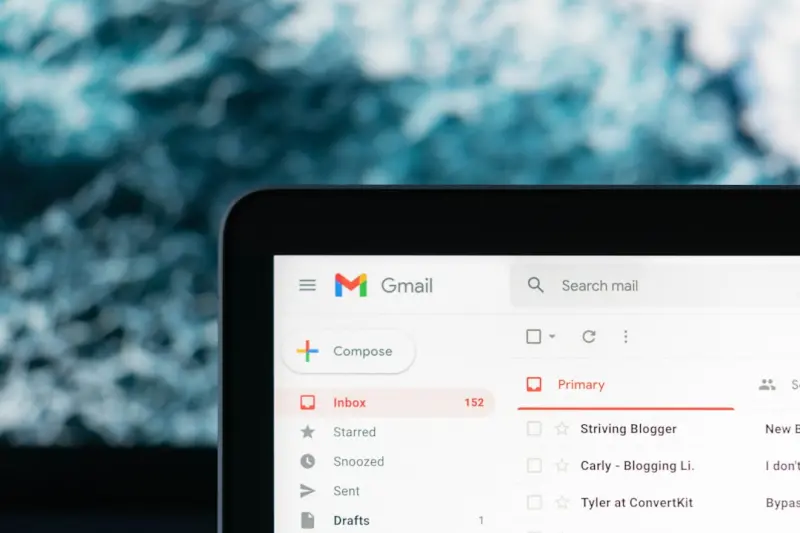
For too long marketers have treated email like a megaphone, blasting a single message to a list and hoping someone bites; the modern inbox, however, craves conversation, not a monologue. When you frame each send as a response to a user’s previous action or expressed need, you instantly shift the power dynamic, inviting reciprocity and fostering trust in a way that feels personal rather than promotional. This mindset requires you to listen first—through click‑throughs, reply rates, and even silent pauses—before you decide what to say next, turning every campaign into a living dialogue that evolves with your audience.
From Broadcast to Storytelling: Crafting Narrative Arcs
Imagine your email series as a short‑form novel, each message a chapter that builds suspense, introduces conflict, and resolves with a satisfying payoff; such a narrative arc keeps readers turning pages instead of archiving the thread. By mapping the customer journey onto classic story beats—setup, inciting incident, rising action, climax, and resolution—you give each subscriber a roadmap that feels purposeful and engaging, rather than a random collection of offers. The key is to embed subtle hooks that reference earlier touchpoints, ensuring continuity and a sense of progression that feels both natural and compelling.
Micro‑Segmentation: The Power of Intent Signals
Instead of relying on broad demographics, drill down to the micro‑behaviors that signal true intent, such as a five‑minute scroll on a product page or a single‑click on a webinar registration link. These tiny data points, when aggregated, reveal a high‑resolution picture of where a prospect sits in the decision funnel, allowing you to serve hyper‑relevant content that feels hand‑picked rather than mass‑produced. AI‑powered personal knowledge management tools can automate this signal capture, turning raw clicks into actionable segments in real time.
Designing Email for Human Attention Spans
Research shows the average adult attention span is roughly eight seconds, a window that shrinks further when a notification pops up on a mobile device; therefore, every pixel in your email must earn its place. Start with a bold, concise preheader that mirrors the subject line’s promise, then follow with a single, crystal‑clear call‑to‑action placed above the fold, complemented by whitespace that guides the eye rather than overwhelms it. Visual hierarchy—using size, color, and placement—helps readers skim and absorb the core message in seconds, reducing cognitive load and increasing the likelihood of conversion.
Leveraging Interactive Elements Without Overwhelming
Interactive components like accordions, polls, and carousel images can transform a static email into an engaging experience, but they must be deployed judiciously to avoid breaking across clients or slowing load times. Choose one interactive element per campaign, align it directly with your primary goal, and provide a graceful fallback for older email clients to maintain deliverability. When done right, an embedded poll not only boosts click‑through rates but also supplies you with fresh user‑generated data that can refine future segmentation.
Data‑Driven Personalization That Respects Privacy
Personalization is no longer a luxury; it’s an expectation, yet it must be balanced against the growing demand for privacy and data transparency. Instead of pulling in every demographic detail, focus on contextual cues—like the time of day a subscriber usually opens mail or the type of device they use—to tailor subject lines and content without exposing sensitive information. By being explicit about data usage in a concise privacy note, you reinforce trust, turning a potential compliance hurdle into a competitive advantage.
Integrating Email with Emerging Community Platforms
Communities on Discord, Slack, and niche forum apps are becoming the new front doors for brands, and email can act as the bridge that welcomes newcomers into these spaces. A well‑crafted welcome series that includes an invitation to a private community channel not only boosts engagement but also extends the brand experience beyond the inbox. Audio branding cues embedded in these invites can reinforce brand identity, creating a multisensory onboarding that feels both cohesive and memorable.
Measuring Success Beyond Open Rates
Open rates have long been the vanity metric of email marketing, yet they tell you little about genuine engagement or revenue impact; shifting focus to metrics like reply velocity, on‑page time after click, and downstream conversion paths paints a fuller picture of campaign health. Implement UTM parameters that track not just the initial click but the subsequent actions taken on your site, linking them back to the specific email touchpoint that sparked them. By aligning these deeper metrics with business objectives, you transform email from a broadcast channel into a measurable growth engine.
Future‑Proofing Your Email Strategy Today
As AI-generated content, privacy regulations, and new messaging platforms evolve, the email inbox remains a stable, owned channel that you can control without paying for reach. To stay ahead, invest in modular email templates that can be quickly reconfigured for new products, seasons, or regulatory changes, and adopt a test‑and‑learn mindset that embraces incremental improvements over grand overhauls. By treating each send as a data point in a living system, you build resilience, ensuring that your email strategy remains effective, adaptable, and profitable for the long haul.

Robert Mathews is a professional content marketer and freelancer for many SEO agencies. In his spare time he likes to play video games, get outdoors and enjoy time with his family and friends . Read more about Robert Mathews here:
Related Posts
Email as a Conversational Engine for SaaS Growth
This post reframes email marketing as a dynamic, data‑driven conversation, offering practical tact... Read More

The Evolution of Sustainable Email Marketing: A New Era of Digital Communication
The way we communicate with our audiences is undergoing a significant transformation. Learn how sust... Read More

Why Behavioral Sequencing Is the Secret Sauce for Modern Email Marketing
Learn why traditional bulk email blasts fall short and how behavioral sequencing—using real‑time... Read More
Top Posts

Embedding Insurance Into SaaS: Turning Risk Into Revenue
Embedding insurance directly into SaaS platforms creates a new revenue stream while reducing customer churn. By leveraging usage data for real‑time underwriti...Read More

Plant-Powered Cleaning: Transform Your Home with Zero‑Waste Solutions
A fresh take on eco‑cleaning: learn how to brew plant‑based cleaners that protect your health, your home, and the planet—all without the waste....Read More

On‑Device AI: Turning Mobile Apps Into Privacy‑First Powerhouses
On‑device AI lets mobile apps process data locally, preserving privacy while delivering instant, real‑time experiences. Learn the technical foundations, des...Read More

The Evolution of Sustainability in Education: A New Era for Environmental Stewardship
The evolution of sustainability in education is critical to creating a more just and sustainable world. Learn how educators can integrate sustainability into th...Read More
0 Comments
Post Comment
You will need to Login or Register to comment on this post!