
Why Micro‑Projects Matter More Than Ever for Kids and Teens
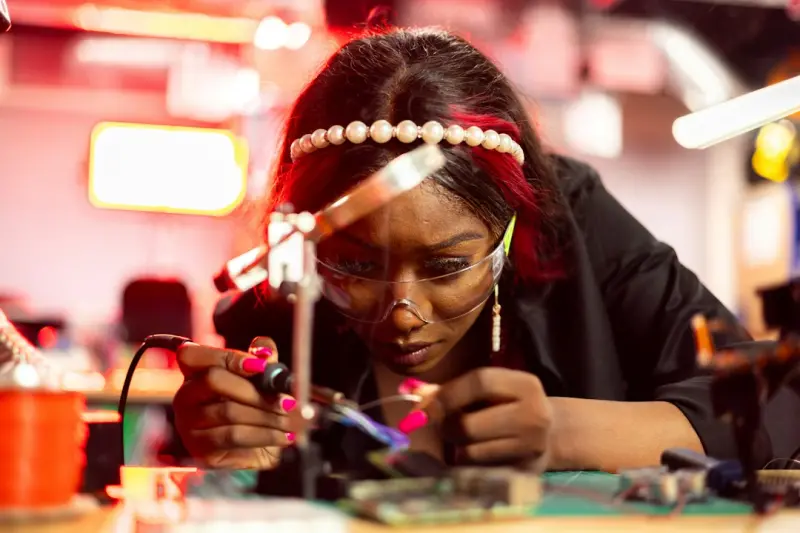
When I first started mentoring middle‑schoolers in a local makerspace, I quickly realized that the biggest breakthrough didn’t come from a polished final product—it came from the tiny, self‑directed experiments that students chose on a whim. A 12‑year‑old who loved skateboards built a simple kinetic‑energy calculator in a weekend, while a 15‑year‑old with a passion for storytelling turned a short video game prototype into a community fundraiser. Those micro‑projects became the catalyst for deeper learning, confidence, and a sense of agency that traditional classroom assignments rarely provide.
In today’s hyper‑connected world, where attention spans are fragmented and the pressure to “be perfect” is relentless, giving kids and teens the freedom to explore bite‑sized, outcome‑driven challenges is a powerful antidote. These projects are short enough to maintain momentum, yet substantial enough to teach real‑world skills like problem‑solving, iteration, and collaboration.
The Science Behind Bite‑Sized Learning
Research in developmental psychology tells us that adolescents thrive when they experience autonomy and competence. When a teen decides to build a simple app that tracks their water intake, they immediately feel ownership. The act of breaking down the goal into manageable steps—designing the UI, writing a few lines of code, testing on a phone—creates a loop of mastery experiences that reinforce self‑efficacy.
Neuroscientists also point to the brain’s reward circuitry: dopamine spikes not just for big achievements, but for the anticipation and completion of short, achievable milestones. That’s why a series of micro‑wins can keep motivation high far longer than a single, massive project that feels overwhelming.
Choosing the Right Project: A Practical Framework
Not every idea is a good fit for a micro‑project. Below is a simple three‑step framework I use with students and parents to filter ideas:
- Scope it down: Can the idea be completed in under two weeks with the resources you have?
- Skill bridge: Does the project require you to learn at least one new skill (e.g., basic coding, graphic design, budgeting)?
- Impact factor: Will the outcome be something you can share—online, with friends, or in your community?
For example, “Create a podcast about my favorite books” fits perfectly. It’s time‑boxed, teaches audio editing, and yields a shareable episode that can spark conversations.
Micro‑Projects Meet Real‑World Tech Trends
While the core idea of micro‑projects is timeless, the tools available today make them more accessible and exciting. Let’s explore three tech trends that dovetail nicely with teen innovation:
1. Gamified Learning Platforms
Games aren’t just for entertainment; they’re powerful learning ecosystems. The gaming’s hidden economy reveals how virtual worlds teach resource management, collaboration, and even sustainability concepts without feeling like a lesson. When teens design a simple game mechanic—like a score system for recycling—they inadvertently practice data tracking, UI design, and environmental awareness.
2. AI‑Assisted Creativity Tools
AI can feel intimidating, but when positioned as a collaborative partner, it becomes a springboard for imagination. Platforms that generate story prompts, sketch concepts, or even suggest code snippets allow young creators to iterate faster. However, it’s crucial to embed safety nets. The AI‑powered online safety guide offers a human‑first approach, ensuring that teens use these tools responsibly and protect their digital footprints.
3. Audio‑First Social Channels
Short‑form audio is exploding, with platforms that let users record, edit, and publish 60‑second clips in a snap. This medium is perfect for micro‑projects because it demands concise storytelling and technical fluency without the visual production overhead. A teen could produce a weekly “Science Minute” episode, learning scripting, sound editing, and audience engagement—all within a manageable time frame.
Case Studies: Micro‑Projects in Action
Below are three real‑world examples that illustrate how a focused, short‑term effort can blossom into lasting impact.
Case Study 1: The “Eco‑Tracker” App
A group of high school seniors wanted to reduce their school’s carbon footprint. In a four‑week sprint, they built a simple mobile app that logged daily energy‑saving actions (turning off lights, using reusable bottles). The project taught them:
- Basic JavaScript and mobile UI design
- Data visualization using chart libraries
- Community outreach through a launch event
Within two months, the school reported a 7% drop in energy consumption—proof that a small digital solution can drive measurable change.
Case Study 2: Podcast “Teen Voices on Tech”
Inspired by the surge in audio content, a 14‑year‑old launched a weekly podcast interviewing peers about their favorite tech tools. Each episode required a script, a 15‑minute recording session, and basic editing. By the eighth episode, the podcast had attracted a modest but engaged audience of 500 listeners, and the host gained confidence presenting ideas in public.
The key takeaways:
- Developing a content calendar keeps production on schedule.
- Learning to edit audio improves attention to detail.
- Interviewing peers enhances communication and empathy.
Case Study 3: “Storyboard Sprint” for Visual Literacy
In a community center, a facilitator introduced a two‑day storyboard challenge: participants had to sketch a 30‑second animation that explained a scientific concept. Using free drawing tablets and open‑source animation software, kids learned composition, timing, and basic motion principles. The final showcase was streamed live, garnering praise from local teachers.
Outcomes included:
- Improved visual storytelling skills
- Collaborative brainstorming techniques
- Confidence in presenting work to an audience
Integrating Micro‑Projects Into Everyday Life
Parents and educators often wonder how to weave these projects into already packed schedules. Here are three pragmatic strategies:
1. “Project Fridays”
Dedicate a single hour each Friday after school or work to a focused activity. The consistency builds habit, while the limited time ensures the scope stays small.
2. “Skill Swaps”
Encourage kids to pair up—one teaches a skill they know (like basic Photoshop), the other shares something they’re learning (like Arduino basics). In just a 45‑minute session, both participants walk away with a new tool in their toolkit.
3. “Show‑and‑Tell” Sessions
Allocate a monthly gathering (virtual or in‑person) where teens present what they built, no matter how rough. Public accountability fuels motivation, and peer feedback often sparks fresh ideas.
Measuring Success Beyond the Finish Line
Traditional grading rubrics focus on final products, but micro‑projects deserve a different lens. Consider tracking:
- Iteration count: How many times did the teen refine their prototype?
- Skill acquisition: Which new tools or concepts were mastered?
- Community impact: Did the project reach an audience or solve a real problem?
When you celebrate progress, you reinforce the growth mindset that keeps teens eager to start the next challenge.
Potential Pitfalls and How to Avoid Them
Even the best‑intentioned micro‑project can stumble. Here are common hurdles and practical fixes:
Over‑Ambitious Scope
If a project feels too massive, break it down into “sprints.” A two‑week sprint might focus solely on wireframing; the next sprint tackles coding. This keeps momentum and prevents burnout.
Lack of Resources
Free, web‑based tools (Google Slides for storyboarding, Glitch for web apps, Audacity for audio editing) level the playing field. When budgets are tight, lean on community libraries or school computer labs.
Feedback Void
Without constructive input, teens may feel isolated. Leverage online forums, local maker groups, or even a simple “feedback buddy” system to provide regular, encouraging critique.
Future‑Proofing: Why Micro‑Projects Prepare Teens for the Unknown
The job market is evolving faster than any single career path can predict. Employers now value learning agility—the ability to acquire new skills on the fly. Micro‑projects mimic that environment: they force teens to research, experiment, fail, and iterate in compressed cycles.
Moreover, as technology democratizes (think AI co‑creators, no‑code platforms, and low‑cost hardware), the barriers to building something tangible shrink. By cultivating a habit of rapid, purpose‑driven creation now, we equip the next generation with the confidence to navigate any future landscape.
Getting Started: A 30‑Day Jump‑Start Plan
Ready to dive in? Here’s a simple roadmap you can follow with a teen, whether at home or in a classroom:
- Week 1 – Ideation: Brainstorm 5‑10 ideas using a mind‑map. Choose one that meets the three‑step framework mentioned earlier.
- Week 2 – Planning: Sketch a basic project timeline, list required tools, and set a modest milestone (e.g., “first prototype ready”).
- Week 3 – Build: Allocate 2–3 focused work sessions. Embrace the “fail fast” mindset—if something doesn’t work, pivot quickly.
- Week 4 – Share & Reflect: Publish the result (app store, podcast platform, social media). Conduct a brief reflection: What was learned? What would you do differently?
This structure keeps the experience tight enough to stay exciting, yet flexible enough to adapt to any interest—from coding to crafting to community activism.
Conclusion: The Ripple Effect of Tiny Triumphs
Micro‑projects are more than just a trend; they’re a pedagogical shift that aligns with how kids and teens naturally explore the world—through curiosity, rapid experimentation, and sharing. By guiding them toward bite‑sized challenges, we unleash a cascade of benefits: heightened confidence, practical skill‑sets, and a resilient mindset that will serve them well beyond the classroom.
So the next time you hear a teenager say, “I wish I could build something cool,” hand them a small, time‑boxed project template. Watch as their ideas bloom, their skills sharpen, and their voice finds a platform—one micro‑win at a time.

Laura Wilson is a freelance writer specializing in the dynamic and ever-evolving field of health. With a passion for translating complex medical information into accessible and engaging content, Laura brings a wealth of knowledge and a fresh perspective to topics ranging from preventative care and nutrition to cutting-edge research and innovative treatments.
Related Posts

Why Digital Storytelling Is the New Playground for Kids and Teens
Digital storytelling transforms everyday moments into powerful narratives, giving kids confidence, d... Read More

Why Collaborative Gaming Is the Secret Sauce for Teens’ Social Growth
A deep dive into how cooperative video games can teach kids and teens empathy, communication, and pr... Read More
When Play Becomes Power: How AR Is Shaping the Next Generation
A deep dive into the rise of AR‑driven play, DIY maker movements, and supportive learning communit... Read More
Top Posts
Designing for the Senses: How Multisensory Interiors Are Redefining Modern Spaces
A deep dive into multisensory interior design, covering acoustic architecture, olfactory storytelling, tactile textures, adaptive lighting, and climate comfort,...Read More
Kids Safety in the Modern Age: A Parent’s Guide to Smart, Sustainable Protection
A fresh, parent‑focused guide that blends digital safety, physical protection, and sustainable habits, empowering families to create a safer, greener world fo...Read More

Why Curated Subscription Boxes Are the Secret Weapon for Modern Parents
Curated subscription boxes deliver age‑appropriate, development‑focused toys and books directly to families, blending convenience with science‑backed play...Read More

From Blog to Knowledge Hub: 8 Tactics to Turn Content into Community
Learn how to shift from posting for clicks to building a living knowledge hub with evergreen content, interactive micro‑learning, guest expert spots, and a su...Read More
0 Comments
Post Comment
You will need to Login or Register to comment on this post!