
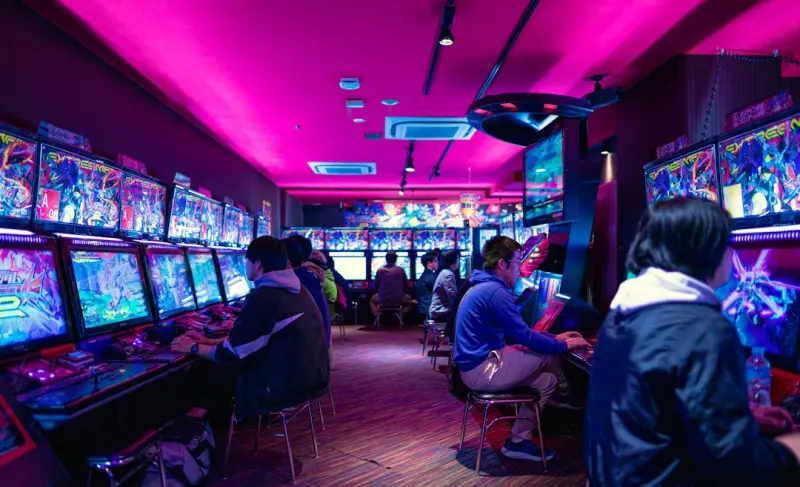
When I first picked up a joystick as a kid, the world felt like a sandbox where every pixel promised a new story. Today, that sandbox has expanded beyond the screen, spilling into our living rooms, our neighborhoods, and even our wallets. Gaming is no longer just a pastime; it’s a catalyst for cultural shifts, economic experiments, and personal transformation. In this piece, I’ll unpack three intertwined trends that are quietly reshaping the gaming landscape: player‑driven economies, the rise of hyper‑local augmented experiences, and the unexpected sustainability lessons we can learn from our digital hobbies.
The Power of Player‑Driven Economies
Remember the first time you crafted a sword in a sandbox RPG and sold it to another player for a handful of gold? That simple exchange was the seed of a massive, decentralized marketplace that now rivals traditional e‑commerce platforms. Games like Eve Online, Path of Exile, and the ever‑popular Fortnite skins marketplace have proven that players can create, price, and trade virtual assets with a sophistication that would make Wall Street blush.
Why does this matter? Because these economies are teaching us new models of value creation. In the same way a small‑scale farmer might barter crops at a local market, gamers negotiate scarcity, rarity, and utility in real time. The result is a dynamic pricing engine that adjusts on the fly—something traditional retailers have been trying to emulate for years.
- Liquidity on demand: In-game markets operate 24/7, allowing assets to be bought and sold instantly. This liquidity fuels a virtuous cycle where creators are incentivized to innovate, knowing there’s an eager audience ready to invest.
- Community governance: Many games now let players vote on rule changes, fee structures, or even the introduction of new asset classes. This democratic approach reduces friction and aligns the platform’s direction with its most passionate users.
- Cross‑platform value: With the rise of NFTs and blockchain‑backed tokens, virtual items can now travel beyond the original game. A skin earned in one title might become a tradable collectible on a completely different platform, blurring the lines between separate gaming ecosystems.
For developers, this is a gold mine of data. By observing which items skyrocket in value and which languish, they gain granular insight into player preferences, enabling more targeted content drops. It’s a feedback loop that feels organic rather than forced, a point I’ve seen echoed in discussions about Why a Culture of Experimentation Is the New Competitive Edge. In both cases, the key is letting the community experiment, iterate, and ultimately decide what works.
Hyper‑Local Augmented Reality: Gaming Meets the Neighborhood
Augmented reality (AR) has moved beyond novelty filters and is now the backbone of hyper‑local gaming experiences. Think of Pokémon GO in its heyday, but with a more sophisticated layer of storytelling, commerce, and community engagement. Today’s AR titles blend geolocation with real‑world landmarks, turning a city block into a quest hub and a coffee shop into a loot chest.
What makes this trend compelling is its ability to anchor digital narratives to physical spaces. When you’re chasing a virtual dragon that only appears near the town’s historic fountain, you’re not just playing a game—you’re rediscovering your environment. This synergy drives foot traffic for local businesses, creates spontaneous social gatherings, and even encourages physical activity.
- Location‑driven storytelling: Developers craft narratives that adapt to the player’s surroundings. A mythic tale might unfold differently in a coastal town versus an inland suburb, offering a unique flavor for each community.
- Economic spillover: Small retailers can sponsor in‑game events, offering exclusive rewards for players who visit their storefronts. This creates a win‑win: gamers get tangible incentives, and merchants gain a fresh marketing channel.
- Data‑rich insights: Real‑time footfall data collected (with consent) can inform city planners about popular gathering spots, helping to improve public spaces.
These AR experiences are also a fertile ground for Real‑Time Creative strategies. Brands can push live, context‑aware content to players as they move through the city, turning a simple walk into an interactive advertisement that feels less intrusive and more like an adventure.
Sustainability Lessons from the Digital Realm
It might sound paradoxical, but the very act of gaming can teach us about resource efficiency. In a virtual world, every asset—whether a weapon, a vehicle, or a piece of armor—has a defined cost, lifespan, and maintenance requirement. Players quickly learn to maximize utility, recycle components, and upgrade wisely, because waste translates directly into lost in‑game currency.
Here are three sustainability principles that spill over from screen to real life:
- Modular design: In games like Space Engineers, players build modular ships that can be reconfigured on the fly. This mindset encourages real‑world designers to think about product modularity—making repairs easier and extending product lifespans.
- Energy budgeting: Many strategy games force players to manage finite energy resources. This habit of monitoring consumption mirrors the growing need for households to track electricity usage, especially as smart home tech becomes more pervasive (see Smart Appliances: Data‑Driven Home Innovation).
- Virtual recycling: Games often include crafting loops where discarded items become raw materials for new creations. This encourages players to view “trash” as a resource, a perspective that can influence real‑world recycling habits.
Beyond individual behavior, game studios themselves are stepping up. Cloud gaming data centers are increasingly powered by renewable energy, and developers are optimizing code to run efficiently on low‑power devices. When a game runs smoothly on a modest laptop, it reduces the need for frequent hardware upgrades, indirectly lowering e‑waste.
From Player to Creator: The Democratization of Game Development
Another wave worth noting is the lowering barrier to entry for game creation. Tools like Unity, Unreal Engine, and even no‑code platforms now enable hobbyists to build and publish experiences without a massive studio budget. This democratization fuels a feedback loop: more creators mean more diverse games, which attract broader audiences, which in turn inspire more creators.
What’s fascinating is how this creator economy mirrors the player‑driven markets we discussed earlier. Independent developers often launch their titles on platforms that let players fund development through early access or micro‑donations. The community essentially becomes a co‑owner, shaping the game’s direction from day one. It’s a model that aligns closely with the experimental culture championed in Why a Culture of Experimentation Is the New Competitive Edge—but with the stakes shifted to entertainment.
What This Means for the Future of Play
When you combine player‑driven economies, hyper‑local AR, sustainability mindsets, and the rise of indie creators, you get a picture of gaming that’s far richer than high‑score leaderboards. It’s an ecosystem where:
- Economics are transparent, fluid, and community‑controlled.
- Digital narratives enhance physical spaces, fostering social cohesion.
- Resource‑wise thinking becomes second nature, influencing real‑world habits.
- Anyone with a laptop and imagination can become a creator, not just a consumer.
As someone who still keeps a classic console on a shelf for nostalgia’s sake, I’m thrilled to see how the industry is evolving. The joystick may have started as a simple controller, but today it’s a gateway to a network of experiences that blur the lines between virtual and tangible. The next level isn’t just about graphics or frame rates—it’s about how gaming can rewire our economic models, reshape our neighborhoods, and teach us to live a little greener.
So the next time you log in, consider the ripple effects of your actions. That skin you just bought, the AR quest you completed downtown, or the indie game you helped fund—each is a thread in a larger tapestry that’s weaving a more connected, sustainable, and inclusive future for play.

Mei Chen is a dynamic professional who brings a unique blend of skills to Blogging Fusion. As a key contributor to the Blogging Fusion platform, she leverages her writing expertise to create engaging content that resonates with our audience.
Related Posts

Gaming Green: Tyler Johnson’s Playful Path to Sustainable Play
Tyler Johnson reveals how gamers can champion sustainability, from green rigs to AI‑optimized serv... Read More

Leveling Up Green Gaming: How Players and Studios Can Power the Future
Explore practical steps for gamers and developers to embrace sustainability, from energy‑efficient... Read More

Why Player-Created Worlds Are Redefining Gaming
Player‑created worlds are transforming games from static experiences into living ecosystems, empow... Read More
Top Posts

Nurturing a Greener Tomorrow: The Intersection of Sustainability and Health
The connection between our environment and health is undeniable. Learn how sustainable living, food systems, gardening, and community initiatives can promote a ...Read More

Designing a Wedding Experience That Grows With You
A wedding is more than a single day—it’s the opening chapter of a lifelong story. This guide shows how to build a modular, narrative‑driven celebration th...Read More

Scam Resilience: Building a Human Firewall in the Age of AI
A deep dive into AI‑powered scams and a practical blueprint for turning your team into a human firewall, blending culture, agile drills, and smart tech defens...Read More

Micro‑Moment Targeting: The New Frontier for Search Engine Marketing Success
Micro‑moments are the split‑second intents that decide a prospect’s next move. Learn how to uncover, target, and convert these high‑intent moments in yo...Read More
0 Comments
Post Comment
You will need to Login or Register to comment on this post!