

From Play to Creation: How Players Are Taking the Reins
When I first logged into a sandbox game as a teenager, I was amazed that the world felt almost limitless, but I never imagined that I would one day be the one shaping that limit. Player‑created worlds have moved from niche hobby to industry‑defining force, turning gamers into architects, storytellers, and even entrepreneurs. This shift is not just a trend; it’s a fundamental re‑definition of what it means to play, blurring the line between consumer and creator in ways that echo the rise of social media but with far deeper immersion.
The Toolbox Evolution: Empowering Everyone to Build
Modern development kits have become as user‑friendly as a photo‑editing app, offering drag‑and‑drop logic, visual scripting, and cloud‑based asset libraries that anyone can access without a computer science degree. Companies that once guarded their engines now release robust modding APIs, encouraging the community to experiment, iterate, and share their inventions in real time. I’ve watched countless friends transform a simple terrain editor into a living, breathing economy, all thanks to the same tools that power professional studios.
Community Engines: Longevity Fueled by Collaboration
When a game’s community can contribute new maps, quests, or mechanics, the title’s lifespan extends far beyond the original launch window, creating a living ecosystem that self‑sustains through shared passion. These collaborative hubs act like miniature incubators, where a single brilliant idea can ripple outward, inspiring dozens of spin‑offs and fostering friendships that last years. The result is a virtuous cycle: fresh content keeps players engaged, and engaged players generate even more content.
Economic Ripples: Monetization Meets Modding
Monetary models have adapted to this new reality, with marketplaces that let creators sell skins, levels, or entire expansions directly to their peers, taking a modest cut while preserving creative freedom. This has turned hobbyist developers into viable entrepreneurs, reshaping the traditional publisher‑developer relationship. For those curious about how side projects can evolve into full‑time ventures, check out our guide on side projects, which dives deep into turning passion into profit.
Spotlight Cases: Minecraft, Roblox, and Dreams
Few titles illustrate the power of player‑driven worlds better than Minecraft’s endless blocky universes, Roblox’s cross‑genre playground, and Media Molecule’s Dreams, where creators script entire experiences from scratch. Each platform leverages its own set of tools, yet they share a common thread: a low barrier to entry that invites anyone with imagination to contribute. The success metrics are telling—millions of active creators, billions of hours of user‑generated content, and a thriving economy that rivals traditional gaming studios.
Challenges on the Horizon: Moderation, Quality, and Rights
With great creative freedom comes the responsibility of curating safe, high‑quality experiences, a task that can overwhelm even the most sophisticated moderation systems. Platforms must balance open expression with intellectual property protection, ensuring that user‑made assets don’t infringe on existing works while still encouraging innovation. Moreover, as games become more interconnected, the need for robust version control and collaborative workflows grows, pushing developers to adopt practices borrowed from software engineering.
Future Forecast: AI‑Assisted Design and Cross‑Platform Play
The next wave will likely integrate AI‑driven assistants that help creators prototype levels, generate textures, or even write narrative branches on the fly, dramatically lowering the skill threshold. Coupled with emerging cross‑platform ecosystems, these tools promise a world where a creator on a console can instantly share their masterpiece with players on PC, mobile, or VR headsets. For a deeper look at how developer experience is shaping the industry, see our analysis of developer experience and its impact on user‑generated content pipelines.
Why It Matters: A Call to Play, Build, and Share
In the end, the rise of player‑created worlds reminds us that the most compelling games are those that empower us to tell our own stories, experiment without fear, and connect through shared creation. As we continue to blur the boundaries between playing and building, we’ll see a richer tapestry of experiences that reflect the diverse imaginations of the global community. So next time you boot up your favorite sandbox, remember: the real adventure begins when you pick up the tools and start shaping the world yourself.

Ryan Stuart is a seasoned freelance features writer, editor, and professional photographer with a passion for exploring the world and capturing its beauty through words and images.
Related Posts

AI‑Generated Indie Games: How Players Are Co‑Creating the Future of Play
Discover the AI‑driven indie gaming revolution, where creators and players collaborate in real tim... Read More

When Players Become Economists: Inside the Rise of Persistent World Markets
A deep dive into the emergence of player‑driven economies, examining design challenges, successful... Read More

How Community‑Driven Localization Is Redefining Gaming
Community‑driven localization turns language barriers into collaborative opportunities, empowering... Read More
Top Posts

Branding as the Operating System of SaaS Growth
Branding isn’t just a logo—it’s the operating system that aligns purpose, people, and product in SaaS. Learn how to embed brand values, measure impact, an...Read More

The Green Way to Sparkle: Transform Your Home with Eco‑Cleaning
Explore practical eco‑cleaning methods that turn everyday chores into powerful actions for health and the environment, complete with DIY recipes and community...Read More
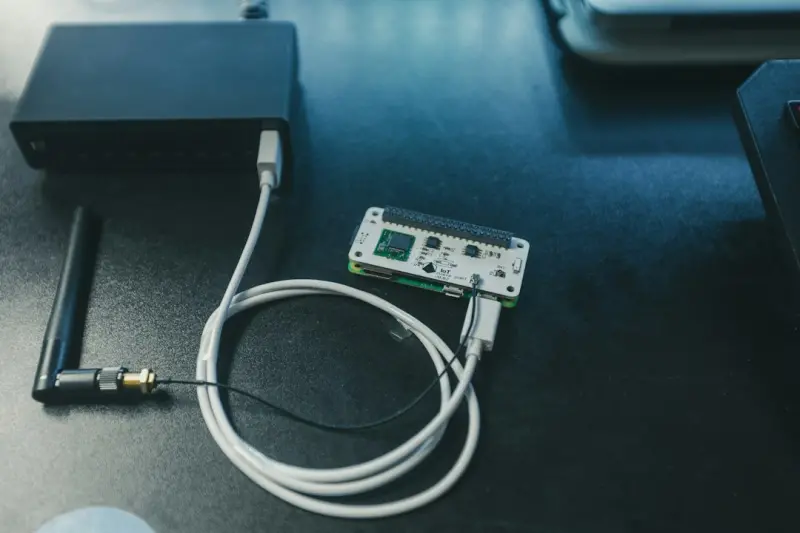
Industrial IoT: How Modular Sensor Networks Are Reinventing Factory Floors
Modular sensor networks replace isolated instruments with plug‑and‑play, edge‑intelligent modules, enabling factories to scale, reduce downtime, and harne...Read More

Green Code: How SaaS Can Shrink Its Carbon Footprint
SaaS firms can turn sustainability into a competitive advantage by adopting green‑first architecture, measuring carbon KPIs, and leveraging tools like WebAsse...Read More
0 Comments
Post Comment
You will need to Login or Register to comment on this post!