

When the term “AI” first entered the SEO conversation, many of us imagined a distant future where robots would write meta tags while we sipped coffee. Fast‑forward a few months, and that future is already here. Search engines are getting smarter, and so are the tools we use to understand them. In this post, I’ll walk you through the practical ways AI is reshaping SEO—from real‑time keyword discovery to automated content refreshes—so you can turn the hype into a measurable advantage.
Why Real‑Time Matters More Than Ever
Search intent isn’t a static target. It evolves with news cycles, cultural moments, and even weather patterns. A product that spikes in demand during a rainy weekend might plummet the next Monday. Traditional SEO workflows—quarterly keyword research, monthly content calendars—simply can’t keep pace. Real‑time data is the new currency, and AI is the most efficient mint.
Imagine you’re tracking a trending phrase like “virtual conference platforms.” Yesterday, the search volume was modest; today, it’s exploding because a major industry event just announced a new partnership. An AI‑powered tool can detect that surge within minutes, surface related long‑tail queries, and suggest content tweaks before your competitors even notice the trend.
The Core Pillars of AI‑Powered SEO
- Predictive Keyword Modeling – Machine learning algorithms analyze historic search patterns, seasonal fluctuations, and competitor movements to forecast which terms will rise in relevance.
- Dynamic Content Optimization – Natural language generation (NLG) can rewrite sections of a page, insert fresh data points, or adjust keyword density on the fly.
- Semantic Gap Analysis – AI maps the concepts your audience cares about against your existing content, highlighting opportunities to bridge gaps before they become ranking penalties.
- Automated Technical Audits – From broken links to crawl budget inefficiencies, AI can scan your site continuously and trigger alerts for immediate remediation.
From Insight to Action: A Day in the Life of an AI‑Enhanced SEO Team
Let’s break down a typical workflow, peppered with the tools and tactics that make AI the engine behind each step.
1. Morning Pulse Check
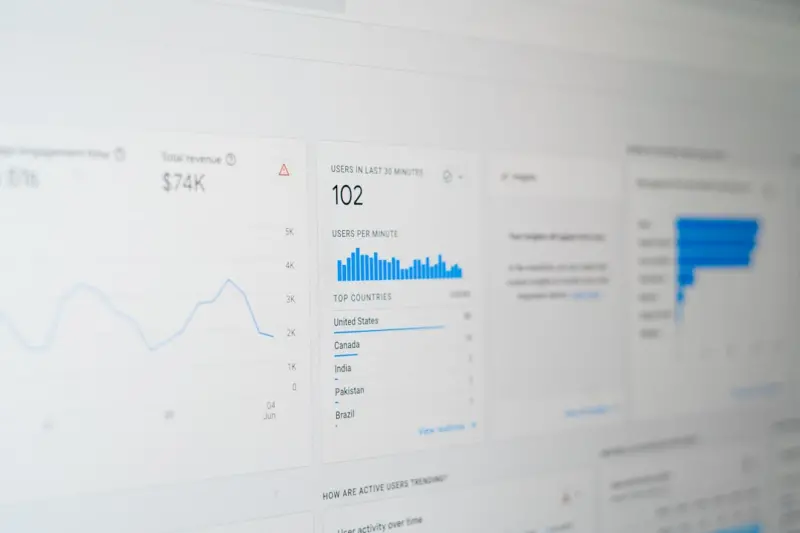
Every day starts with a search pulse dashboard. AI aggregates data from Google Search Console, Bing Webmaster Tools, and third‑party SERP scrapers, then surfaces:
- Top‑gaining keywords (+30%+ YoY)
- Emerging topics based on news APIs
- Performance dips linked to recent algorithm updates
Because the system is observability‑first, you instantly see which data points triggered each alert, letting you prioritize without guesswork.
2. Rapid Ideation Sessions
Armed with fresh insights, the content team runs a quick brainstorming sprint. AI suggests headline variations, outlines, and even potential internal linking structures. For example, if “AI‑driven content personalization” is trending, the tool will pull related entities—like “dynamic meta descriptions” or “user intent clustering”—to ensure the piece covers the full semantic field.
3. Content Creation with Guided NLG
Writers draft the first paragraph, then hand off to an NLG assistant that expands sections, adds data tables, and optimizes for readability scores. The AI respects brand voice guidelines (think: your tone, not a robotic tone) while ensuring the final copy aligns with target keyword clusters.
4. Real‑Time Publishing & Testing
Once the draft is approved, the AI‑enabled CMS (many teams are already leveraging Enterprise‑grade WordPress setups) publishes the article. Immediately, it begins A/B testing headline variations, internal link placements, and schema markup. Results are fed back into the system to refine future recommendations.
5. Continuous Optimization Loop
Unlike static SEO projects that sit idle after launch, AI keeps the page alive. If search intent shifts—say, from “how to use AI for SEO” to “AI SEO tools pricing”—the system nudges you to update the content, add new sections, or adjust the call‑to‑action. This perpetual loop not only safeguards rankings but also drives incremental traffic growth.
Bridging the Gap Between AI and Human Expertise
It’s tempting to view AI as a replacement for seasoned SEO strategists, but the most successful teams treat it as a collaborator. Here’s how to strike the right balance:
- Strategic Oversight – AI surfaces patterns; humans interpret business relevance. A sudden spike in “remote work AI tools” might be noise unless your product line aligns.
- Creative Judgment – While NLG can generate prose, brand storytelling still needs a human touch. Use AI for scaffolding, then infuse personality.
- Ethical Guardrails – AI models can inadvertently reinforce bias or over‑optimize for low‑quality signals. Establish review checkpoints to maintain quality and compliance.
Overcoming Common Misconceptions
Myth 1: AI Will Rank My Site Automatically – AI is a catalyst, not a magic wand. It accelerates data processing, but you still need compelling, user‑focused content.
Myth 2: AI Is Too Expensive for Mid‑Size Companies – Cloud‑based AI services now offer pay‑as‑you‑go pricing. Even a modest budget can unlock predictive keyword tools that were once enterprise‑only.
Myth 3: AI Replaces Technical SEO Audits – Automated crawlers can flag issues instantly, but complex architecture decisions (like site migrations) still benefit from expert analysis.
Integrating AI with Existing SEO Stack
If you’re already using a suite of tools—keyword planners, backlink monitors, heatmap analytics—adding AI doesn’t mean starting from scratch. Consider these integration points:
- Data Unification – Feed all your SEO data streams into a centralized data lake. AI thrives on volume and variety, so the richer the dataset, the better the insights.
- API‑Driven Automation – Connect your AI platform with your CMS via API. This enables on‑the‑fly content updates and schema injections.
- Feedback Loops – Set up alerts that push AI‑generated recommendations directly into your project management tool (e.g., Asana, Jira) for seamless handoff.
Case Study: Turning a Seasonal Spike into a Year‑Round Asset
One of our SaaS clients, a collaboration‑tool provider, noticed a sudden surge in searches for “virtual whiteboard AI” during a major industry conference. Using AI‑driven keyword forecasting, they identified the spike three days before it peaked. They:
- Published a timely blog post titled “How AI Is Redefining Virtual Whiteboards” within 24 hours.
- Embedded an interactive demo powered by their product, which the AI suggested would increase dwell time.
- Leveraged the AI’s semantic gap analysis to add a FAQ section covering related queries like “AI whiteboard pricing” and “collaborative AI tools.”
The result? A 45% uplift in organic traffic that persisted for months, converting the seasonal buzz into a lasting SEO asset.
The Future: Predictive SERP Modeling
Looking ahead, the next frontier is predictive SERP modeling. By simulating how search engines might rank a page before it’s even live, AI can guide content strategy from the outset. Think of it as a rehearsal before the performance—allowing you to fine‑tune headings, structured data, and internal linking to align with anticipated algorithmic preferences.
This isn’t speculative; early adopters are already experimenting with “what‑if” SEO simulations that factor in upcoming Google updates, voice‑search nuances, and even intent‑driven SEM trends. As these models mature, the line between SEO planning and product development will blur, making data‑centric decision‑making the norm.
Practical Steps to Get Started Today
- Audit Your Data Infrastructure – Ensure you have clean, comprehensive data sources (Search Console, analytics, CRM) that AI can ingest.
- Pick a Pilot Project – Choose a high‑impact page or a new content series to test AI‑generated insights.
- Set Clear KPIs – Define success metrics—organic traffic lift, keyword ranking velocity, conversion rate—to measure AI’s contribution.
- Iterate Quickly – Deploy updates in short cycles, monitor results, and refine the AI model’s parameters.
- Educate Your Team – Host workshops that demystify AI concepts, ensuring everyone understands both the capabilities and limits.
Conclusion: Embrace the AI‑SEO Symbiosis
SEO is no longer a game of “set it and forget it.” The search landscape is a living organism that reacts to news, user behavior, and algorithmic shifts in near real‑time. By marrying AI’s analytical horsepower with human creativity and strategic insight, you create a feedback loop that keeps your content relevant, your rankings climbing, and your brand ahead of the curve.
So, the next time you hear “AI will take over SEO,” smile, roll up your sleeves, and let the machines do the heavy lifting while you focus on the storytelling that only a human can master.

Jessica Gills is a freelance writer carving a niche for herself by empowering others through her words. With a focus on careers, self-development, and business, she helps readers navigate the complexities of the modern professional landscape.
Related Posts
Why Voice Search Should Be the Core of Your SEO Strategy
Laura Wilson explains why voice search is essential for modern SEO, offering a step‑by‑step guid... Read More

Entity‑First SEO: The Future of Search for SaaS Brands
Learn how shifting from keyword‑centric tactics to an entity‑first approach can boost your SaaS ... Read More

Beyond Keywords: Building Semantic Authority for SaaS
Learn a fresh, data‑driven approach to SaaS SEO that moves beyond keyword lists, using intent mapp... Read More
Top Posts

Finding Calm in a Hyperconnected World: A Personal Journey to Mental Balance
In an age of constant notifications, I share my path to mental serenity, blending boundaries, mindful routines, and purposeful pauses to nurture well‑being....Read More

Edge AI: Bringing Smarter Decisions to Your Pocket
Miranda Murphy dives into the surge of edge AI, showing how on‑device intelligence is redefining everything from smartphones to wearables, delivering speed, p...Read More

Google’s Quiet Revolution: How Generative AI is Reshaping Enterprise Knowledge Work
Google’s new AI layer merges generative models with its Knowledge Graph, delivering instant, trustworthy insights across Workspace apps—driving faster decis...Read More

When AI Becomes Your Remote Team’s Quiet Mentor
A generative AI coach can transform remote work by offering contextual summaries, skill‑gap spotting, and meeting guardrails, turning silent assistance into a...Read More
0 Comments
Post Comment
You will need to Login or Register to comment on this post!