

From Ownership to Access: The Subscription Wave Driving Today’s Cars
When I first test‑drove a vehicle that asked me to swipe a credit card before I could turn on the heater, I thought it was a joke. Fast forward a few months, and that same “pay‑per‑feature” model is quietly becoming the default way manufacturers monetize their machines. Car subscriptions are no longer a gimmick for early adopters; they’re an emerging economic engine that’s reshaping everything from product design to dealership strategy.
Why the Shift? The Economics Behind “Car-as-a-Service”
Traditional car ownership is built on a simple premise: you buy a physical asset, you pay for its depreciation, and you bear the ongoing costs of maintenance, insurance, and fuel. In the subscription model, the car itself becomes a platform, and the revenue stream is sliced into recurring, predictable payments. This has two immediate benefits for manufacturers:
- Revenue predictability. Instead of a single spike at the point of sale, companies enjoy a steady cash flow that can be modeled with the same rigor as SaaS subscriptions.
- Data‑driven product evolution. Every time a driver toggles a feature—say, a premium sound system or an advanced driver‑assist package—the manufacturer gains granular usage data that can inform future R&D.
The result is a virtuous cycle: more data leads to better features, which in turn encourages higher‑tier subscriptions, which fund the next round of innovation. It’s a model that mirrors the SaaS playbook, but with steel, rubber, and a whole lot of road miles.
The Consumer Angle: Flexibility Meets Personalization
From the driver’s seat, the appeal is equally compelling. Imagine you need a compact hatchback for city commuting in the spring, a rugged SUV for a mountain getaway in the summer, and a luxury sedan for the holiday season. A single subscription that lets you swap vehicles—or upgrade features on the fly—eliminates the need to own multiple cars or endure the depreciation curve of a single vehicle.
Beyond vehicle swaps, subscriptions enable feature elasticity. A driver can activate heated seats just for the chilly mornings and turn them off once the weather warms up, paying only for the time they actually use the feature. This “pay‑as‑you‑go” mindset also reduces the psychological barrier to trying premium technology, because the cost is no longer a permanent, upfront commitment.
Technology Enablers: The Role of Connectivity and AI
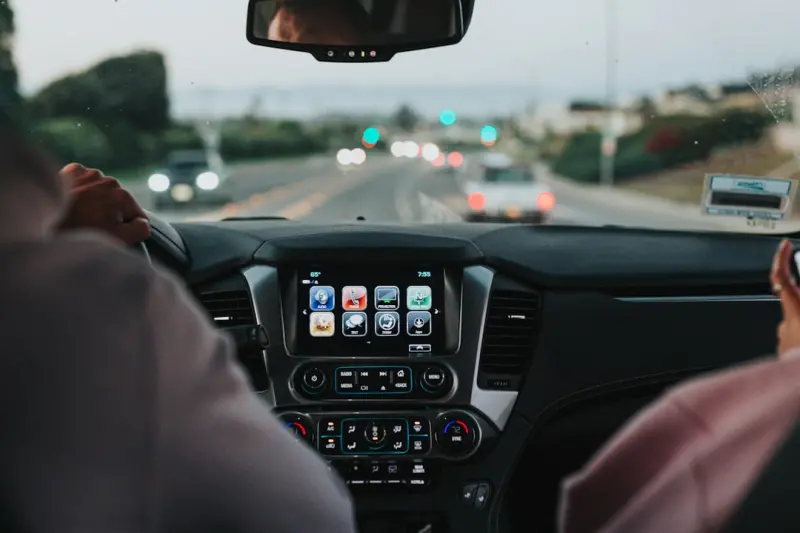
All of this hinges on a car that’s always online. Modern vehicles ship with embedded cellular modules, OTA (over‑the‑air) update capabilities, and a suite of sensors that constantly feed data back to the manufacturer. This connectivity is the backbone that makes dynamic feature toggling possible.
Take AI-driven vehicle features for example. Machine‑learning models can predict when a driver is likely to need an extra boost of performance—like during a steep hill climb—and automatically suggest a temporary upgrade to a higher‑performance drive mode. The AI acts as an invisible strategist, nudging the driver toward an upsell that feels genuinely useful rather than intrusive.
Another critical piece is intent‑based networking in connected cars. Unlike traditional networking that routes packets based on static rules, intent‑based systems understand the purpose behind each data flow. For a subscription platform, this means the network can prioritize feature activation requests, ensure OTA updates are delivered with minimal latency, and keep the driver’s experience seamless—even when multiple users are toggling features simultaneously.
Dealerships and the New Service Model
Dealerships, once the final checkpoint before a vehicle left the lot, are evolving into subscription hubs. Instead of focusing solely on sales volume, salespeople now act as subscription consultants, helping customers map out usage patterns and recommend tiered packages that match lifestyle needs.
This shift also changes inventory management. With a pool of shared vehicles, dealerships can rotate stock based on demand, reducing the time a car sits idle on the lot. The result is a lower capital outlay for inventory and a higher turnover of high‑margin subscription revenue.
Regulatory and Legal Considerations
While the financial upside is clear, subscription models raise new regulatory questions. Consumer protection agencies are beginning to scrutinize the fine print of “feature rentals,” especially when a driver’s ability to operate a vehicle hinges on an active subscription. Transparency is key: manufacturers must ensure that drivers are fully aware of what they’re paying for, how cancellations work, and the implications of a lapsed subscription on vehicle functionality.
There’s also the matter of data privacy. As cars become data collection platforms, compliance with GDPR, CCPA, and emerging automotive data standards becomes a non‑negotiable part of the business model. Companies that embed privacy by design into their subscription infrastructure will gain a competitive edge, as trust will be a differentiator in a market where the vehicle is essentially a “moving data center.”
Potential Pitfalls: When Subscriptions Go Wrong
Not every subscription story ends happily. Some early pilots have seen backlash when drivers felt locked out of essential safety features because of a missed payment. Others have struggled with the complexity of billing for micro‑features—charging $0.10 per hour of heated steering, for instance—leading to confusing statements and churn.
To avoid these pitfalls, manufacturers should adopt a tiered approach:
- Core safety as a baseline. Features that are critical for safe operation should be bundled in the base subscription, ensuring compliance and avoiding legal trouble.
- Simplified billing structures. Group related features into logical bundles (e.g., “Comfort Pack,” “Performance Pack”) rather than per‑minute pricing.
- Grace periods and fallback modes. If a subscription lapses, the vehicle should revert to a safe, functional state rather than shutting down entirely.
Future Outlook: Beyond Cars to Mobility Ecosystems
The subscription model is poised to spill over into broader mobility services. Think of a future where a single subscription gives you access not only to a personal vehicle but also to shared scooters, bike‑share stations, and even autonomous ride‑hailing—all under one unified payment umbrella. This “mobility‑as‑a‑service” (MaaS) ecosystem could become the ultimate expression of flexible, data‑driven transportation.
In that world, the line between product and service blurs. Manufacturers become platform operators, curating a suite of mobility options that adapt to a user’s daily rhythm. The revenue model shifts from “sell a car” to “sell a lifestyle of movement,” and the subscription is the contract that binds it all together.
Conclusion: The Subscription Engine Is Revving Up
Car subscriptions are more than a passing fad; they represent a strategic realignment of how value is extracted from a vehicle over its lifetime. By turning a static asset into a dynamic service platform, manufacturers can unlock recurring revenue, deepen customer relationships, and stay ahead of the curve in a hyper‑connected world.
For the industry, the challenge now is to design subscription experiences that feel empowering rather than restrictive, to navigate the regulatory maze with transparency, and to build the technological scaffolding—AI, intent‑based networking, OTA updates—that makes seamless, on‑demand feature activation possible. Those who master this balance will not only drive the next wave of automotive innovation but also set the standard for how all physical products can be transformed into living, subscription‑powered services.

Brad Hays is a freelance writer known for his versatile skill set and ability to craft compelling content across a wide range of industries.
Related Posts
Driving the Future: Real‑Time Telematics and Intelligent Platforms Transform the Automotive Aftermarket
The article delves into the rise of predictive maintenance in the automotive aftermarket, highlighti... Read More

Beyond the Dashboard: How Software-Defined Vehicles Are Redefining the Auto Industry
A deep dive into the rise of software-defined vehicles, uncovering their impact on maintenance model... Read More

Driving the Future: Subscription Cars, Predictive AI, and the New Ownership Playbook
A deep dive into the emerging subscription car model, AI‑driven predictive maintenance, and vehicl... Read More
Top Posts

Playful Planet: How Sustainable Toys Are Redefining Childhood Fun
Miranda Murphy explores the booming world of sustainable toys, offering tips on materials, packaging, and community swaps to make playtime greener for kids....Read More

Redefining Society: From Daily Habits to Collective Sustainability
A personal look at how small daily decisions, responsible tech use, and community collaboration can spark a societal shift toward sustainable living and shared ...Read More

Why Sustainable SEO Is the Future of Digital Growth
Explore the rise of sustainable SEO, blending eco‑friendly tactics with ranking power. Learn actionable steps, metrics, and case studies to grow your traffic ...Read More

Beyond Passwords: The Next Wave of Online Safety
Password‑only security is obsolete. This post uncovers behavioral biometrics, AI‑powered phishing detection, synthetic data safeguards, and gamified trainin...Read More
0 Comments
Post Comment
You will need to Login or Register to comment on this post!