
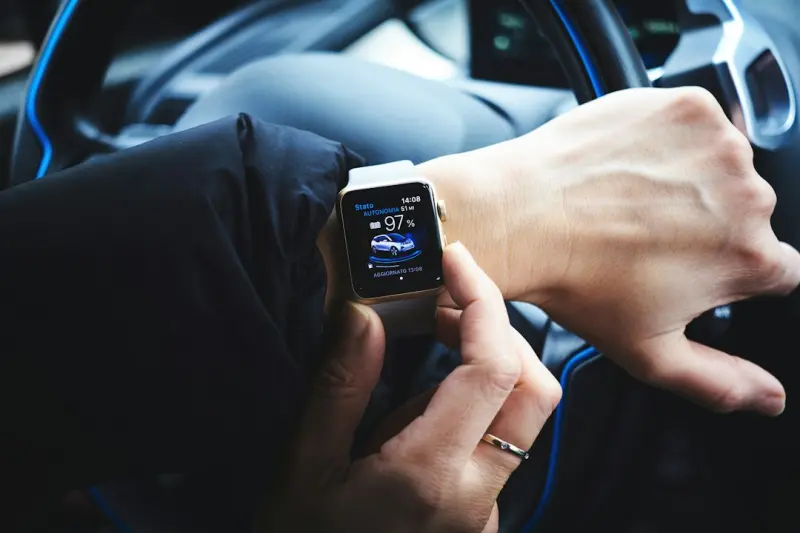
Why Data-Driven Wearables Are the New Playbook for Amateur Athletes
When I first laced up my running shoes for a weekend 5K, the only data I trusted was the stopwatch on my phone. Fast forward a few years, and my gym bag now feels like a mini‑command center: heart‑rate strap, smart shoes, a wristband that whispers “push harder” when I’m slacking. The surge of affordable, AI‑powered wearables is turning the grassroots sports scene into a data‑rich playground, and the implications go far beyond personal bragging rights.
From Fancy Gadgets to Everyday Essentials
Ten years ago, a wearable was a novelty reserved for elite athletes and tech enthusiasts with deep pockets. Today, a high‑school soccer coach can equip an entire team with GPS‑enabled vests for under a thousand dollars. The cost curve has flattened thanks to mass‑produced sensors, open‑source firmware, and the democratization of cloud analytics. The result? A level playing field where anyone with a smartphone can unlock insights that were once the domain of professional sports science labs.
The Three Pillars of the Wearable Revolution
- Real‑time biomechanics. Accelerometers and gyroscopes now capture stride length, ground‑contact time, and even lateral forces with millisecond precision. This data helps athletes fine‑tune technique on the fly.
- Personalized physiological monitoring. Continuous heart‑rate variability (HRV), oxygen saturation, and skin temperature tracking let users gauge recovery status and avoid overtraining.
- AI‑driven coaching. Machine‑learning models digest the raw streams, flagging patterns like “your sprint speed drops after the 3rd lap” and suggesting targeted drills.
How the Data Translates Into Better Performance
Imagine a community basketball league where every player’s jump height, vertical velocity, and fatigue index are logged after each game. Coaches can now answer questions that were once guesswork:
- Which defender consistently loses speed in the final quarter?
- Who needs more plyometric work to improve explosiveness?
- When should a player sit out to prevent injury?
These answers are no longer the domain of a pricey sports science consultant. The algorithms embedded in the wearable ecosystem crunch the numbers, delivering actionable tips directly to the athlete’s wrist or phone.
Case Study: A Youth Soccer Club’s Data Turnaround
Last season, a suburban youth soccer club partnered with a local tech startup to outfit its U‑12 team with lightweight GPS vests. Over 12 weeks, the coach tracked distance covered, sprint bursts, and heat maps of player movement. The data revealed a startling pattern: three of the ten players were consistently lagging in high‑intensity zones, not because of skill, but due to poor aerobic conditioning.
Armed with that insight, the coach introduced short, high‑intensity interval drills tailored to those players. By the end of the season, the team’s average sprint distance increased by 22%, and the win‑loss ratio flipped from 3‑7 to 7‑3. The club now credits the wearable data as the catalyst for its “data‑first” culture.
Beyond Performance: Injury Prevention and Longevity
One of the most compelling arguments for wearables is the promise of staying healthy longer. Chronic injuries—think shin splints, rotator‑cuff tears, or stress fractures—often stem from hidden overloads that athletes don’t feel until damage is done. Continuous monitoring of load metrics (e.g., cumulative impact forces) can flag risk zones early.
In a recent pilot with a local rowing team, smart sleeves detected a gradual increase in shoulder strain over a six‑week period. The AI model recommended a three‑day active‑recovery protocol, which the athletes followed. The result? Zero shoulder injuries that season, and a measurable boost in rowing efficiency.
Integrating Wearable Data with Existing Sports Platforms
Many coaches and club administrators already use digital tools for scheduling, scouting, and communication. The next logical step is to feed wearable insights into those platforms, creating a unified dashboard. For instance, a cloud‑based team management app can pull HRV data to suggest rest days, while simultaneously updating the practice calendar.
From a product perspective, this integration mirrors the principles found in Human‑Centric Storytelling. The narrative isn’t just about numbers; it’s about translating raw data into a story each athlete can understand and act upon.
The Environmental Angle: Sustainable Sports Tech
While the buzz around wearables is often about performance, there’s a quieter, yet equally important, conversation about sustainability. Manufacturers are shifting to recycled polymers and low‑energy Bluetooth protocols, reducing the carbon footprint of each device. This trend aligns with broader industry moves toward greener operations, as discussed in Green Clouds. When you factor in the longer lifespan of modular wearables—where batteries and sensors can be upgraded rather than replaced—the environmental impact drops dramatically.
Addressing Privacy Concerns Head‑On
Data privacy is a hot topic, especially when it involves minors. Transparent consent workflows, anonymized data aggregation, and strict access controls are non‑negotiable. Many platforms now offer “coach‑only” views where personal identifiers are stripped, ensuring that performance analytics stay ethical and compliant with local regulations.
The Future: Augmented Reality Meets Wearable Analytics
Looking ahead, the convergence of AR glasses and wearable telemetry could redefine on‑field coaching. Picture a quarterback seeing a live overlay of his throwing velocity, release angle, and optimal target zone projected onto the field in real time. While still in prototype stages, early trials suggest a steep learning curve but massive upside for situational awareness.
Practical Tips for Teams Ready to Dive In
If your club or organization is curious about stepping into the data‑driven arena, start small:
- Identify a single metric to improve. Whether it’s sprint endurance or recovery time, focus on one data point to avoid analysis paralysis.
- Choose an affordable, open‑platform device. Look for wearables that support data export via CSV or API.
- Set up a simple dashboard. Tools like Google Data Studio or Microsoft Power BI can visualize trends without heavy IT overhead.
- Educate athletes. Explain why the data matters and how it will help them achieve personal goals.
- Iterate. Review the data weekly, adjust training plans, and celebrate small wins.
Conclusion: Data as the New Playbook
The era of “fly‑by‑night” training regimens is fading. In their place, a data‑first approach is emerging, empowering amateur athletes to train smarter, recover faster, and stay injury‑free. Wearables are no longer a gimmick; they’re a catalyst for cultural change in community sports. By embracing real‑time insights, prioritizing ethical data use, and keeping an eye on sustainability, clubs can unlock a competitive edge that feels as natural as lacing up a pair of shoes.

David Moore is a freelance writer specializing in two dynamic and ever-evolving fields: gambling and the tech industry. With a keen eye for detail and a knack for unraveling complex topics, David delivers insightful and engaging content that keeps readers informed and entertained.
Related Posts

The Intersection of Sports and Sustainability: A New Era for Environmental Stewardship
The sports industry is embracing sustainable practices to reduce its environmental impact. Learn how... Read More

Urban Mini-Leagues: How City Streets Are Redefining Sports Participation
A deep dive into the rise of city‑based mini‑leagues, the tech that powers them, and why these g... Read More
Data‑Driven Coaching: The Future of Amateur Sports
A deep dive into how wearable tech, AI intent mapping, real‑time fan sentiment analysis, and obser... Read More
Top Posts

How AI is Reshaping Legal Practice and What It Means for Lawyers
Explore the profound ways AI is changing legal work—from research speed and ethical challenges to courtroom analytics—and get practical advice for lawyers e...Read More

Celebrating Sustainably: How to Make Your Special Occasions Eco-Friendly
Celebrations can have a significant impact on the environment, but with a few simple changes, you can make your special occasions more sustainable. Learn how to...Read More

Interactive Email: Make Your Sends Live
Interactive email transforms static newsletters into live experiences, letting prospects engage with carousels, forms, and quizzes directly in their inbox, boos...Read More
Designing a Multi‑Generational Timeline for Your Wedding & Anniversary
A step‑by‑step guide to building a multi‑generational wedding and anniversary timeline, ensuring grandparents, parents, kids, and friends all have meaning...Read More
0 Comments
Post Comment
You will need to Login or Register to comment on this post!