
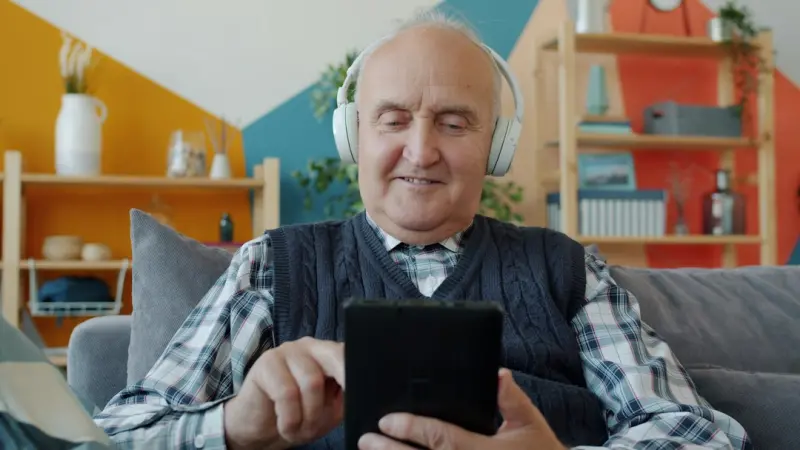
Finding Your Voice in the Digital Age: How Seniors Can Turn Memories into Interactive Stories
When I first retired, I imagined my days would be filled with crossword puzzles, garden walks, and a good dose of quiet reading. What I didn’t expect was the sudden, irresistible pull of the tech world—especially the world of digital storytelling. As someone who grew up with typewriters and vinyl records, the idea of turning my life’s anecdotes into interactive, share‑ready experiences felt like learning a new language. But the more I explored, the clearer it became: seniors have a unique advantage when it comes to storytelling, and the tools we now have make it easier than ever to preserve our histories for future generations.
Why Personal Storytelling Matters More Than Ever
Our personal narratives are more than just family gossip; they are cultural artifacts. They hold the nuances of everyday life, the lessons learned from decades of work, love, loss, and triumph. When we capture these stories in a medium that can be accessed anywhere, we create a bridge across generations. Younger family members can hear the cadence of a story told by a voice they’ve never heard in person, while distant relatives can experience the context of an event that shaped a family’s identity.
But beyond family, there’s a broader societal benefit. In a world where data points dominate conversation, genuine human stories restore empathy and remind us of the lived experience behind statistics. By sharing our own histories, we contribute to a richer, more inclusive digital tapestry.
The Toolkit: From Simple Voice Memos to Interactive Timelines
When I first dipped my toes into digital storytelling, I was overwhelmed by the sheer number of platforms promising to “revolutionize” the way we share memories. After trial and error, I settled on a three‑step workflow that balances ease of use with creative flexibility.
- Capture the Core Content – Whether it’s a voice memo on your phone, a handwritten note scanned into a PDF, or a quick video interview, start with the raw material. The beauty of modern smartphones is that they double as high‑quality recorders. For seniors who prefer a more tactile approach, a simple digital voice recorder can be a comfortable middle ground.
- Organize with Visual Anchors – Once you have your audio or video files, group them by theme: childhood, career milestones, travel adventures, or life lessons. Adding a single photo to each segment helps anchor the memory and makes the later design process smoother.
- Choose a Storytelling Platform – This is where the magic happens. There are platforms that let you build custom mini‑apps without writing code, turning a series of clips and images into an interactive timeline. Others specialize in “storybook” formats where users can swipe through chapters, add captions, and embed background music.
One platform that impressed me with its senior‑friendly interface is StoryNest. It guides you step‑by‑step: you upload a voice memo, add a photo, and the system suggests a layout. The result is a polished, shareable web page that feels like a personal museum exhibit.
From Hobby to Legacy: Turning Stories into Community Assets
While personal storytelling can begin as a solitary project, it quickly expands into a communal endeavor. I’ve seen senior centers adopt digital story archives as part of their programming. Members gather in small groups, record their memories, and then help each other edit and publish the final product. This collaborative process not only sharpens digital literacy but also fosters a sense of purpose.
Moreover, local libraries and historical societies are eager to partner with seniors who have lived through pivotal moments—be it the civil rights movement, the rise of personal computing, or neighborhood transformations. By contributing digital narratives, seniors help fill gaps in public archives that traditional historians might overlook.
Addressing Common Concerns
“I’m not tech‑savvy enough.” The learning curve is real, but it’s not insurmountable. Many platforms now feature “wizard” modes that walk you through each step with simple language and visual cues. If you’re comfortable with a remote desktop session, a tech‑savvy friend can guide you in real time, much like a virtual tutoring session.
“Will my stories be safe?” Data security is a legitimate worry. Choose services that offer encrypted storage and regular backups. Some providers even let you export your entire project as a static HTML bundle, ensuring you have a personal copy that can be stored on an external drive.
“I don’t want to be a “digital influencer.” The goal isn’t to chase followers or trends. It’s about creating a personal repository that can be shared with loved ones when you choose. Think of it as a modern version of the family photo album, only more dynamic.
Integrating Storytelling into Daily Routines
One of the best ways to keep the momentum going is to embed storytelling into everyday moments. Here are a few practical habits I’ve adopted:
- Morning Reflections – Spend ten minutes each morning recalling a memory from the previous day or a past decade. Record it on your phone, then tag it with a photo or keyword for later organization.
- Weekly “Story Sessions” – Invite a friend, family member, or neighbor over for a coffee and a quick recording session. This adds a social element and makes the process feel less like a chore.
- Monthly Review – Dedicate an hour each month to review and edit your recordings. Trim any long pauses, add captions, and arrange them into the emerging timeline.
These routines transform storytelling from a one‑off project into an ongoing, enjoyable habit.
The Unexpected Benefits: Cognitive Health and Social Connection
Research shows that engaging in narrative construction can stimulate brain regions associated with memory, language, and emotional regulation. For seniors, this means that digital storytelling isn’t just a hobby—it’s a form of mental exercise.
Additionally, sharing stories invites conversation. When a grandchild hears about your first job at a local mill, it sparks curiosity and leads to deeper dialogues about work ethics, community, and change. In many cases, seniors report feeling a renewed sense of relevance and belonging after seeing their stories appreciated by younger family members.
Case Study: A Neighborhood Revitalized by Shared Memories
In a small town where I volunteer, a group of seniors partnered with the local museum to digitize recollections of the town’s main street from the 1960s through the 1990s. Using a simple voice‑recording app and a free timeline builder, they created an interactive map. Residents can click on a storefront and hear an elderly resident recount the shop’s heyday, complete with ambient street sounds and old photographs.
The project sparked a community-wide conversation about preserving historic buildings, leading to a grant for façade restorations. It’s a vivid example of how personal storytelling can ripple out to tangible community improvements.
Future Horizons: Merging Storytelling with Emerging Tech
While the current tools are already powerful, the horizon holds even more exciting possibilities. Imagine integrating your narrated stories with eco‑focused platforms that automatically generate low‑carbon footprints for each published story, or using voice‑activated assistants to retrieve specific memories on demand.
Another frontier is augmented reality (AR). Seniors could create “memory markers” that, when scanned with a smartphone, overlay a short video or audio clip onto a physical location. This blends the tactile comfort of familiar spaces with the richness of digital narratives, offering a truly immersive experience for visitors.
Getting Started: A Simple Action Plan
- Pick Your First Memory – Choose a story that feels vivid and meaningful. It could be the day you graduated, the first time you cooked a family recipe, or a humorous mishap on a road trip.
- Record It – Use your phone’s voice memo feature or a dedicated recorder. Speak naturally, as if you’re talking to a close friend.
- Add a Visual Cue – Find a photo or scan a related document. Even a simple sketch works.
- Upload to a Platform – Start with a free, senior‑friendly storytelling app. Follow the guided steps to combine audio and image.
- Share Selectively – Send the link to a trusted family member or keep it private for now. Adjust privacy settings as you become more comfortable.
Remember, the goal isn’t perfection—it’s preservation. Each story you capture becomes a thread in the larger fabric of your family’s history.
Final Thoughts: Your Voice Deserves a Digital Home
When I first hesitated to engage with modern tech, I feared I’d be chasing trends that didn’t fit my generation. What I discovered is the opposite: technology can amplify the authenticity of our lived experiences. By turning memories into interactive stories, seniors not only safeguard their legacies but also enrich the cultural landscape for everyone.
So, to my fellow seniors reading this, I encourage you to pick up that microphone (or smartphone) and let your voice travel beyond the confines of the living room. The world may be moving fast, but the stories we’ve lived through are timeless—let’s give them a place where they can be heard, felt, and cherished for generations to come.

Jimmy Stewart is a content creator that gets inspired by many aspects of life, internet or whatever inspires him at that moment. When he's not online he's gaming and when he is not gaming he is online trolling discussion boards.
Related Posts
Sustainable Living for Seniors: A Practical Guide to a Greener Tomorrow
As seniors, we can make a positive impact on the environment by adopting sustainable living practice... Read More
Empowering Seniors: A Practical Guide to Embracing Technology with Confidence
A friendly guide that shows seniors how to start small, protect their digital footprint, and use voi... Read More
Embracing Sustainable Living as a Senior: A Journey to a Greener Tomorrow
As seniors, we have a unique opportunity to make a positive impact on the world around us. By embrac... Read More
Top Posts
Zero‑Party Data: The New Gold Standard for Privacy‑First Marketing
Zero‑party data—information customers willingly share—offers marketers a privacy‑first, high‑trust foundation for personalization, AI integration, and...Read More
AI‑Driven Eco‑Cleaning: Turning Data Into a Greener Workspace
A deep‑dive into how SaaS companies can transform traditional cleaning into a data‑driven, circular, and AI‑powered practice that slashes waste, cuts cost...Read More

Google’s Green Evolution: How the Search Giant Is Shaping Sustainable Content
Discover how Google’s latest AI upgrades, algorithmic green signals, and Earth Engine tools empower creators to craft sustainable content and boost eco‑frie...Read More

Why Breathwork Is the Hidden Super‑Tool for Everyday Immunity
Explore the science behind breathwork and learn simple techniques to enhance immunity, reduce stress, and elevate daily wellbeing—all in just minutes a day....Read More
0 Comments
Post Comment
You will need to Login or Register to comment on this post!