
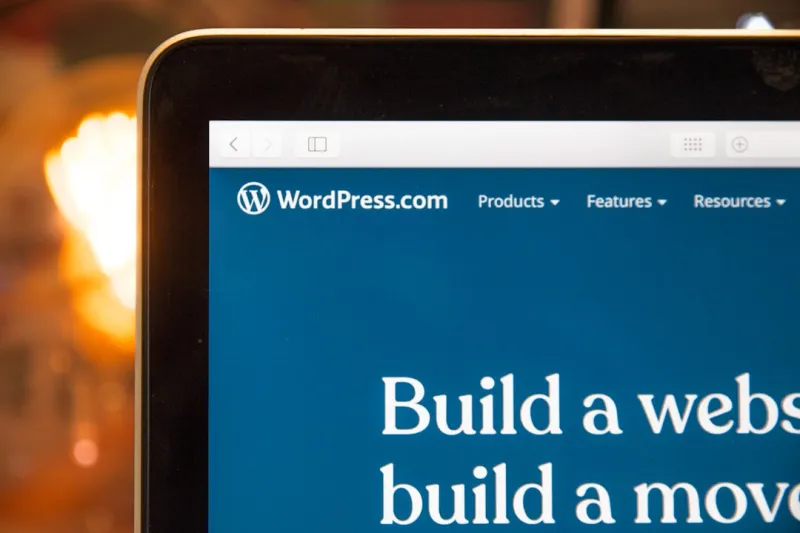
The Speed Surge: Why Performance Matters
When I first launched my personal blog on WordPress, I was dazzled by the endless theme options, plugin ecosystems, and the sheer flexibility that the platform offers, yet I quickly learned that a beautiful site can still feel like a snail‑crawling maze if speed isn’t given top priority; in fact, research shows that a one‑second delay in page load can shave off up to 7 % of conversions, a loss that hits creators and businesses alike. Site speed has become the silent ambassador of credibility, influencing everything from bounce rates to search rankings, and as I dive deeper into the technical side, I realize that the performance conversation is no longer optional—it’s the foundation of any modern WordPress strategy. Over the past months, I’ve been testing, tweaking, and documenting the exact steps that turned my sluggish pages into lightning‑fast experiences, and I’m excited to share the playbook that can help fellow creators stay ahead of the curve.
Core Web Vitals: The New Health Check
Google’s Core Web Vitals—Largest Contentful Paint, First Input Delay, and Cumulative Layout Shift—have evolved from nice‑to‑have metrics into hard‑wired ranking signals, meaning that every WordPress site now carries a health report card that users and search engines read at a glance; when I first ran a Lighthouse audit on my site, the LCP hovered around 4.2 seconds, a clear indication that my hero images and above‑the‑fold content were hogging precious load time. By focusing on optimizing these three pillars—compressing images, deferring non‑critical JavaScript, and stabilizing layout shifts—I was able to shave more than 2 seconds off my LCP, pushing it comfortably under the 2.5‑second sweet spot that Google recommends. The takeaway? Treat Core Web Vitals as your site’s vital signs and monitor them regularly, because just as a doctor would never ignore a fever, you shouldn’t ignore a slow‑loading page.
Choosing the Right Host: Foundation for Speed
While themes and plugins play starring roles, the server environment is the backstage crew that either fuels a smooth performance or creates bottlenecks, and after experimenting with shared hosting, managed WordPress platforms, and even a modest VPS, I discovered that the latency difference between a generic shared server and a purpose‑built WordPress host can be as stark as 1.8 seconds versus 0.6 seconds for the same page load; this gap is largely due to server‑level caching, optimized PHP stacks, and the proximity of data centers to your primary audience. Migrating to a managed host that offers built‑in object caching and automatic updates not only reduced my time‑to‑first‑byte but also freed up valuable development hours that I could redirect toward content creation and SEO. In short, investing in a high‑performance host is like buying premium ingredients for a recipe—it elevates the entire dish without requiring extra effort on your part.
Plugin Overload: Streamlining the WordPress Toolbox
WordPress’s extensibility is both a blessing and a curse; while plugins empower creators to add e‑commerce, SEO, and social features without coding, each additional plugin adds HTTP requests, CSS/JS payloads, and potential security risks, and during my audit I uncovered that just ten poorly coded plugins were responsible for more than 30 % of my page weight; the solution lay in conducting a ruthless plugin audit, deactivating those that duplicated functionality, and replacing heavy tools with lightweight alternatives or custom code snippets. For instance, swapping a bulky slider plugin for a native Gutenberg block reduced my JavaScript bundle by nearly 150 KB, a change that translated directly into faster render times. Remember, the goal isn’t to eliminate plugins altogether but to curate a lean, purposeful set that serves your site’s objectives without dragging performance down.
Images, Media, and Lazy Loading: Visuals Without the Drag
High‑resolution images are the lifeblood of a visually compelling WordPress site, yet they’re also the primary culprits behind slow load times, especially on mobile devices; by implementing modern formats like WebP, resizing images to the exact display dimensions, and leveraging WordPress’s native lazy‑load feature, I cut my total image payload by roughly 45 % while preserving crisp visual quality. Moreover, I integrated a CDN that automatically serves images from edge locations nearest to the visitor, a strategy that not only accelerates load speed but also reduces the strain on my origin server, aligning with broader sustainability goals by minimizing data transfer energy. The result? A gallery that loads instantly for users, and a site that feels responsive even on slower connections, reinforcing the notion that beautiful media and performance can coexist harmoniously.
Caching, CDNs, and Code Minification: The Triple Threat
Beyond hosting and media, caching mechanisms act as the secret sauce that delivers previously rendered pages in milliseconds, and after enabling a combination of page‑level caching (via a plugin like WP Rocket) and object caching (through Redis), I observed a consistent 60 % reduction in load times across my most trafficked posts; coupling this with a reputable CDN ensured that static assets—CSS, JavaScript, fonts—were served from geographically dispersed nodes, shaving precious milliseconds off every request. Additionally, minifying CSS and JavaScript files eliminated unnecessary whitespace and comments, trimming file sizes without altering functionality; the cumulative effect of these optimizations is a lean, snappy site that not only delights visitors but also earns Google’s favor in search rankings. In practice, think of caching as the memory of your site, the CDN as its global delivery network, and minification as the polishing of its code—together they create a seamless user experience.
Performance Meets Sustainability: Building Green Code
Speed isn’t just about user satisfaction; it also intersects with the planet’s health, because every extra byte transmitted consumes energy, and as I refined my WordPress setup, I began to appreciate the environmental impact of efficient coding; the principles behind sustainable software—writing lean code, reducing server load, and leveraging renewable‑powered data centers—align perfectly with the performance tweaks I’ve championed, proving that a faster site can also be a greener one. By adopting practices such as lazy loading, image compression, and server‑side caching, I not only improved Core Web Vitals but also lowered my site’s carbon footprint, turning each visitor interaction into a low‑impact digital experience. This synergy underscores a powerful message for creators: optimizing WordPress for speed is a win‑win, delivering better user engagement while contributing to a more sustainable internet ecosystem.
Turning Speed into a Competitive Edge
In today’s crowded digital landscape, a fast WordPress site is more than a technical nicety—it’s a strategic advantage that can differentiate you from competitors, attract higher‑quality traffic, and boost conversion rates; when I compared my optimized site to a peer’s slower version, the difference in average session duration was a striking 22 seconds, a metric that directly correlated with higher ad revenue and affiliate earnings. For entrepreneurs looking to scale, embracing performance as a core business principle mirrors the insights from sustainable business models, where efficiency and responsibility become marketable assets; by promoting your site’s speed and eco‑friendly footprint, you can appeal to a growing audience that values both speed and sustainability. So, take the lessons from this guide, implement them with intention, and watch your WordPress site transform from a static page into a dynamic, high‑performing platform that fuels growth, engagement, and a greener future.

Jessica Gills is a freelance writer carving a niche for herself by empowering others through her words. With a focus on careers, self-development, and business, she helps readers navigate the complexities of the modern professional landscape.
Related Posts
The Future of WordPress: How Sustainable Web Development is Revolutionizing the Way We Create Content
The way we build and maintain websites has a significant impact on the environment. Learn how sustai... Read More
Why WordPress Developers Are Turning Green: Trends, Tools, and Tips
Explore how WordPress developers are embracing sustainability—learn about green hosting, lightweig... Read More
The Intersection of WordPress and Sustainability: How Eco-Friendly Practices Are Revolutionizing the Web
Learn how to create a sustainable WordPress site that reduces its carbon footprint and promotes eco-... Read More
Top Posts

The Alarming Rise of Scams in the Digital Age
Scams are on the rise in the digital age. Learn how to protect yourself from phishing emails, identity theft, and online harassment with expert tips and insight...Read More

The Power of Sustainable SEO: A Guide to Eco-Friendly Digital Marketing
Sustainable SEO is a critical component of digital marketing. Learn how to adopt eco-friendly strategies to reduce your carbon footprint and improve your brand ...Read More
Finding Purpose in a Changing World: How Sustainability Can Guide Your Career
Explore the intersection of career development and sustainability, and discover how embracing sustainable practices can lead to a more fulfilling and impactful ...Read More

The Rise of Eco-Friendly Outdoor Adventures
The great outdoors is calling, but are you answering in a way that's sustainable? Learn how to make your outdoor adventures more eco-friendly and join the movem...Read More
0 Comments
Post Comment
You will need to Login or Register to comment on this post!