

When I first walked into a boutique that smelled like fresh espresso and warm wood, I felt the same rush I get when I see a new SaaS feature roll out—anticipation, curiosity, and a hint of skepticism. Shopping, especially online, has evolved from a simple transaction into an experience that can either win lifelong loyalty or spark a silent boycott. In this deep dive, I’ll peel back the layers of today’s shopping ecosystem, spotlight the subtle forces shaping our choices, and share practical tactics for brands that want to turn browsers into believers.
The Invisible Hand That Guides the Click
We all love a good recommendation, but the algorithm behind it is often a black box that feels more like sorcery than science. The modern shopper is bombarded by endless product feeds, reviews, influencer endorsements, and retargeted ads. What decides which of these signals cuts through the noise? It’s a blend of three things:
- Relevance: Does the product solve a real problem or fulfill a desire?
- Trust: Is the source credible, and does the presentation feel authentic?
- Emotion: Does the story spark curiosity, nostalgia, or aspiration?
When these three align, the “add to cart” button becomes a natural next step, not a forced decision.
From Data to Delight: Personalization Without the Creepy Factor
Personalization is the holy grail for e‑commerce teams, yet too many brands overstep, ending up with the dreaded “creepy” vibe. The trick is to use data responsibly—show shoppers what they want without making them feel watched.
Here’s a framework I’ve found useful:
- Contextual Signals: Leverage real‑time behavior (like scroll depth or dwell time) rather than static demographics.
- Progressive Profiling: Gather preferences gradually through interactions (e.g., “What’s your favorite style?” pop‑ups) instead of demanding a full questionnaire at checkout.
- Transparent Opt‑Ins: Clearly explain the benefits of sharing data (“We’ll recommend outfits that match your wardrobe”) and give easy controls to opt out.
When shoppers see that a recommendation is truly helpful—say, a pair of shoes that matches the jacket they just bought—they’re more likely to trust the brand and return for future purchases.
Curated Collections: The Power of the “Shop the Look”
Remember the days of leafing through glossy catalogs? Those curated collections are making a comeback, but now they’re powered by AI and human expertise. Brands are assembling “shop the look” galleries that tell a story, guide the customer through a journey, and simplify decision‑making.
Why does this work?
- Simplified Decision Trees: Instead of overwhelming customers with 200 product options, a curated set presents a clear path.
- Emotional Narrative: A lifestyle image or short video sets a mood, making the product feel like a piece of an aspirational lifestyle.
- Cross‑Sell Opportunities: By displaying complementary items (a tote bag with a summer dress), average order value rises organically.
For brands looking to adopt this model, start small—create a seasonal “lookbook” that showcases a handful of items, then track conversion rates. Iterate based on what resonates.
Subscription Boxes: The Gift That Keeps on Giving
Subscription boxes have transformed from niche hobby kits to mainstream lifestyle staples. The magic lies in the balance of surprise and relevance. A well‑curated box feels like a personal gift, not a generic “you signed up for X.”
Key success factors include:
- Discovery Engine: Use a blend of AI suggestions and human editors to surface new, relevant products each month.
- Feedback Loop: Encourage subscribers to rate items, then feed that data back into the curation algorithm.
- Flexibility: Offer pause, skip, or swap options to reduce churn and boost satisfaction.
When customers feel they’re part of an evolving, personalized journey, the subscription becomes a habit rather than a transaction.
Social Commerce: The Marketplace That Lives in Your Feed
Instagram, TikTok, and Pinterest have become storefronts where the line between content and commerce blurs. The most successful brands treat their social presence as an experience hub—they’re not just selling products, they’re selling moments.
Practical tips for harnessing social commerce:
- Native Shopping Tags: Use platform‑specific tags that allow a one‑click purchase without leaving the feed.
- User‑Generated Content (UGC): Feature real customers using the product; authenticity trumps polished ads.
- Live Shopping Events: Host real‑time streams where hosts showcase products, answer questions, and offer limited‑time discounts.
By integrating shopping directly into the content flow, brands meet shoppers exactly where they’re already spending time.
Ethical & Sustainable Shopping: Turning Values Into Value
Consumers are increasingly aligning purchases with personal values—whether it’s reducing carbon footprints, supporting fair‑trade artisans, or buying locally sourced goods. Brands that transparently communicate their sustainability practices not only earn trust but also unlock premium pricing.
Here’s how to embed ethics without sounding like a marketing buzzword machine:
- Storytelling Over Statistics: Share the journey of a product—from raw material to finished good—through short videos or carousel posts.
- Third‑Party Certifications: Highlight verifiable labels (e.g., B‑Corp, Fair Trade) rather than self‑declared claims.
- Lifecycle Transparency: Offer end‑of‑life options, such as recycling programs or take‑back incentives.
For deeper insights on weaving sustainability into brand messaging, check out Turning ESG Into a Marketing Superpower. The principles apply just as well to retail as they do to SaaS.
Seamless Returns: The Unsung Hero of Loyalty
Let’s be honest: a frictionless return process can be the difference between a one‑time buyer and a repeat customer. Yet many retailers treat returns as an afterthought, leading to frustration and abandoned future purchases.
Best practices for a return experience that builds goodwill:
- Clear Policies: Use plain language and prominent placement—no hidden clauses.
- Prepaid Labels: Include a QR code or a one‑click label in the confirmation email.
- Instant Refund Options: Offer store credit or instant refunds to the original payment method.
- Feedback Capture: Ask why the item is being returned; turn that data into product improvements.
When returns feel like a service rather than a hassle, customers remember the positive interaction and are more likely to shop again.
Bridging Physical and Digital: The New Omnichannel Playbook
Physical stores aren’t dead; they’re evolving into experience centers that complement digital channels. The goal is a seamless journey—browse online, try in‑store, and purchase wherever the shopper prefers.
Key technologies enabling this fluidity include:
- Beacon‑Based Proximity Marketing: Sends tailored offers when a shopper walks past a product display.
- Smart Mirrors: Let customers virtually try on clothes or see how furniture looks in a simulated room.
- Unified Inventory Systems: Show real‑time stock across all locations, enabling “buy online, pick up in store” options.
A compelling example of how smart tech is reshaping home shopping can be seen in The Future of Appliances. While the focus there is on connected devices, the same principles apply to retail environments seeking to blend the tactile with the digital.
Legal Safeguards: Protecting the Shopper and the Brand
With the rise of AI‑generated product descriptions, dynamic pricing, and automated chatbots, legal compliance is more complex than ever. Brands must protect themselves from false advertising claims, data privacy breaches, and even contract disputes that arise from subscription models.
One resource that breaks down the practical steps for small businesses is AI‑Powered Contract Review. While it focuses on contracts, the underlying idea—leveraging AI to spot risks before they become liabilities—applies directly to terms of service, return policies, and privacy notices in e‑commerce.
Measuring Success: Metrics That Matter Beyond Revenue
Revenue is the headline metric, but deeper insights emerge when you track:
- Customer Lifetime Value (CLV): Not just the first purchase, but the sum of all future purchases.
- Net Promoter Score (NPS): A direct gauge of advocacy, which drives organic referrals.
- Time to First Purchase: The shorter this interval, the more effective your onboarding flow.
- Return Rate & Reason Codes: Each return is a data point for product or messaging improvements.
When you combine these quantitative signals with qualitative feedback—reviews, social comments, support tickets—you get a holistic view of how well your shopping experience aligns with customer expectations.
Final Thoughts: Designing Shopping as a Relationship, Not a Transaction
The modern shopper is a discerning, data‑savvy individual who expects personalization, transparency, and convenience—all wrapped in an emotionally resonant experience. By focusing on relevance, trust, and emotion, brands can turn a simple cart click into the first chapter of a long‑term relationship.
Whether you’re building a curated “shop the look” page, launching a subscription box, or integrating social commerce, remember that every touchpoint is an opportunity to deepen trust. Embrace the data, respect privacy, and weave genuine stories into your product narratives. The result? A shopping ecosystem that feels less like a transaction and more like a partnership.

Shawn DesRochers is a certified Microsoft technician and Programmer with 30+ year's experience. He has written many reviews on computer related products, software, and SEO related topics. When he's not writing reviews he can be found at one of the Oldest Directories Online Web Domain Authority which he is the CEO of.
Related Posts

AI‑Powered Personal Shopping: Redefining How We Buy
The post delves into AI‑driven personal shopping concierges, hyper‑local marketplaces, privacyâ€... Read More

From Impulse to Intent: Decoding the New Era of Digital Window‑Shopping
The post reveals how live‑stream commerce, audio‑first shopping, and curation‑as‑a‑service... Read More
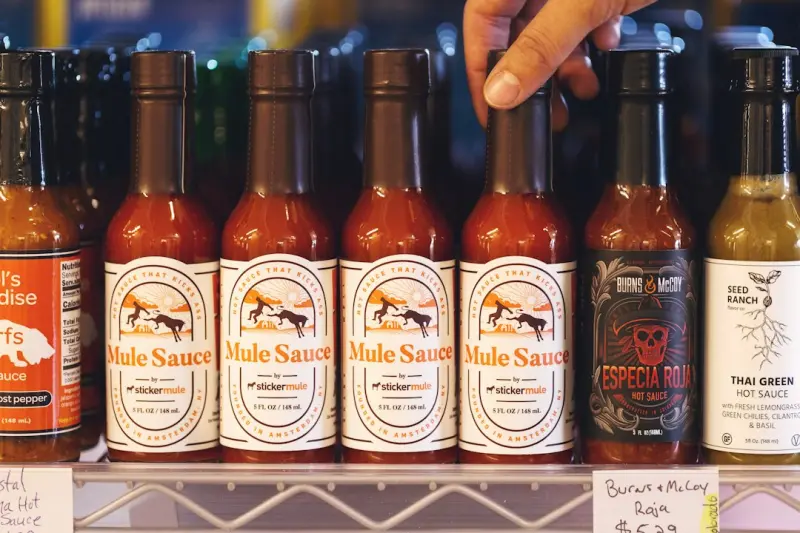
The Secret Sauce Behind Hyper‑Personalized Shopping Boxes
Subscription boxes are evolving beyond novelty, using data‑driven personalization, community‑foc... Read More
Top Posts

Scam Alert: How Green Frauds Are Hijacking the Sustainability Movement
Scammers are cashing in on eco‑concern with fake green investments, phishing emails, and counterfeit gadgets. Learn how to spot and avoid these frauds....Read More
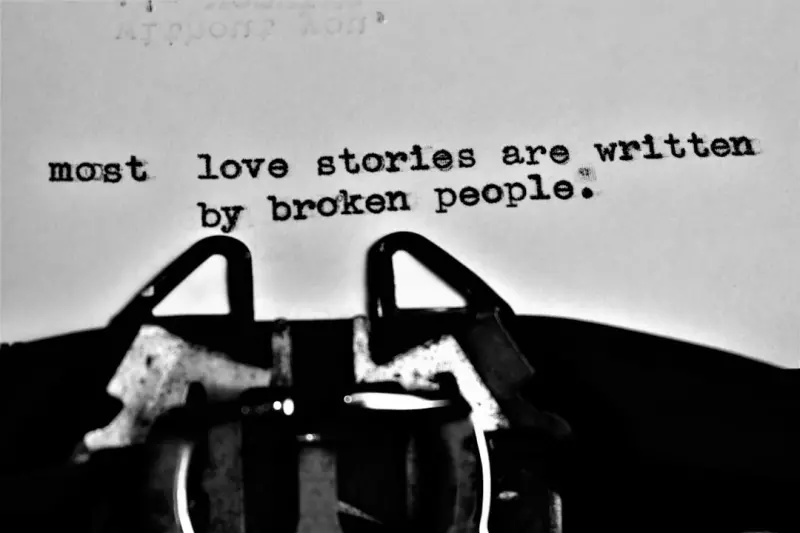
Storytelling as Self‑Therapy: Re‑writing Your Inner Narrative for Better Mental Health
Discover a simple four‑step storytelling framework that transforms stressful moments into empowering narratives, integrating sensory cues and breathwork for l...Read More

Sustainable Living for Seniors: A Guide to a Greener Future
As we age, it's essential to consider the impact of our daily lives on the environment. Sustainable living is not just a trend; it's a necessity for the well-be...Read More

Unlocking Google’s AI Playbook for B2B SaaS Success
Discover how to leverage Google’s integrated AI, data, and security services to streamline SaaS workflows, boost observability, and gain a competitive edge in...Read More
0 Comments
Post Comment
You will need to Login or Register to comment on this post!