

From Impulse to Intent: Decoding the New Era of Digital Window‑Shopping
When I first discovered a livestream where a charismatic host unboxed a set of artisanal candles while chatting about the scent of fresh rain, I thought I’d stumbled onto a novelty. Fast forward a few weeks, and my inbox is brimming with invitations to exclusive “virtual pop‑ups,” my favorite coffee shop’s Instagram story is a runway of limited‑edition mugs, and I’ve started to notice a subtle shift: the act of browsing is no longer passive. It’s a performance, a dialogue, a shared experience that blurs the line between discovery and purchase.
Welcome to the hyper‑interactive shopping landscape where “window‑shopping” has been upgraded from a silent stroll down a physical aisle to a lively, multi‑sensory conversation that happens on screens, in chat rooms, and even over voice‑only channels. In this post I’ll unpack three interlocking trends that are redefining how we browse, decide, and ultimately buy—without ever stepping foot into a brick‑and‑mortar store.
1. Live‑Stream Commerce: The New Marketplace Mainstage
Live‑stream commerce—sometimes called “shop‑the‑live” or “social selling”—has exploded from niche beauty demos to full‑fledged retail events that attract millions of viewers in a single sitting. The magic lies in its immediacy: a host showcases a product in real time, answers questions in the chat, and offers limited‑time discounts that create a palpable sense of urgency.
What makes this format especially compelling is its social proof. Unlike static product pages where you scroll past a list of specs, you see real people interacting with the item, hearing authentic reactions, and even witnessing a product’s flaws. It’s the digital equivalent of watching a friend try on a jacket before you decide to buy it.
But live‑stream isn’t just about impulse buys. Savvy brands are layering data analytics onto these sessions, tracking which moments trigger spikes in click‑through rates and which questions repeatedly surface. This feedback loop lets them refine the script in real time, turning a once‑static broadcast into a responsive, data‑driven experience.
For consumers, the benefit is a feeling of participation. You’re not a passive observer; you’re part of a community that can shape the conversation, request demonstrations, and even influence future product iterations. It’s a collaborative shopping dance that feels fresh, personal, and—dare I say—fun.
2. Audio‑First Shopping: When Your Ears Become the Cart
Imagine walking through a virtual market where the only guide you need is a voice that knows your taste, your budget, and even the mood you’re in. This is the promise of audio‑first social platforms repurposed for retail. While most of us think of podcasts and voice assistants as content delivery tools, forward‑thinking retailers are turning the same technology into an interactive shopping conduit.
Here’s how it works: a user taps into a curated audio channel—maybe a “Sustainable Fashion Hour” hosted by an influencer who talks about upcycled denim—and the platform automatically surfaces product cards that can be added to a cart with a simple voice command. No scrolling, no swiping, just an auditory journey that ends with a seamless checkout.
Why does this matter? Because it aligns with the growing desire for hands‑free experiences. Whether you’re cooking dinner, commuting, or just lounging on the couch, you can let your ears do the heavy lifting. Moreover, audio is inherently intimate; it feels like a recommendation from a trusted friend, which can boost confidence in purchasing decisions.
Retailers are also leveraging the data gathered from voice interactions—tone analysis, keyword frequency, even ambient noise levels—to fine‑tune their product recommendations. The result is a hyper‑personalized shopping experience that feels both futuristic and oddly familiar.
3. The Rise of “Curation‑as‑a‑Service” for the Side‑Hustle Era
In the past, building a boutique online store required a deep inventory, a polished website, and a marketing budget that could rival a small TV ad campaign. Today, the barrier to entry has dropped dramatically. Entrepreneurs can launch a micro‑store in hours, leveraging existing marketplaces, fulfillment partners, and even side‑hustle entrepreneurship frameworks that turn a hobby into a revenue stream.
What’s most exciting is the emergence of “curation‑as‑a‑service” platforms. These services act like personal shoppers on steroids: they analyze trending data, source products from vetted suppliers, and automatically populate a storefront with items that match a specific aesthetic or niche—think “mid‑century modern home office” or “plant‑based snack boxes.” The curator’s job is essentially to set the tone; the platform does the heavy lifting.
This model flips the traditional retail script. Instead of manufacturers pushing products onto consumers, the consumer’s taste becomes the starting point. Curators can test multiple themes in parallel, observe which collections resonate, and pivot instantly—without the sunk cost of unsold inventory.
For shoppers, this means a constant stream of highly relevant, limited‑edition offerings that feel tailor‑made. The scarcity factor—knowing that a collection will only be available for a short window—adds an emotional punch that drives both engagement and conversion.
4. The Psychology Behind the New Shopping Rituals
All of these trends share a common psychological thread: they transform the act of browsing into a ritual rather than a transaction. When you attend a live‑stream event, you’re not just looking at a product; you’re participating in a shared moment that has its own rhythm, social cues, and emotional payoff. When you listen to a curated audio channel, you’re engaging a sense of trust that comes from hearing a friendly voice.
Research shows that rituals increase perceived value. When a purchase is tied to a memorable experience—be it a laugh shared with a host or the satisfaction of adding a curated item to a collection—it becomes more than a transaction; it becomes a story you can tell.
Retailers who understand this are designing experiences that cater to the whole person: visual aesthetics, auditory cues, community interaction, and even the thrill of scarcity. By aligning product discovery with emotional triggers, they create a deeper bond that reduces post‑purchase dissonance and encourages repeat visits.
5. Practical Tips for Consumers Who Want to Shop Smarter
- Set Intentional Browsing Windows. Treat live‑stream events like scheduled appointments. Knowing when a session starts helps you avoid the “always‑on” trap that leads to endless scrolling.
- Leverage Voice Assistants for Discovery. Use your smart speaker to ask for “new arrivals in sustainable fashion” and let the audio‑first platform surface options without you having to search manually.
- Curate Your Own Feed. Follow niche curators on platforms that specialize in micro‑collections. Their curated lists can serve as a filter that saves you time and reduces decision fatigue.
- Watch for Authentic Interaction. In live streams, prioritize hosts who answer questions honestly and demonstrate the product in real‑life scenarios. Transparency is a good indicator of product quality.
- Take Advantage of Limited‑Time Offers. If a product aligns with your values and needs, a limited‑time discount can be a legitimate incentive—just make sure you’re not buying purely for the fear of missing out.
6. Where Is This All Going? A Glimpse Into the Future
Looking ahead, we’ll likely see a convergence of these trends. Imagine a scenario where an audio‑first host launches a live‑stream pop‑up, and a curation‑as‑a‑service platform instantly updates its inventory to match the items demonstrated in real time. Your smartwatch could buzz with a gentle nudge: “Your favorite host just featured a limited‑edition tote—add it to your cart?”
Artificial intelligence will become the backstage crew, analyzing sentiment in chat, optimizing product placements, and even predicting which colors will trend next season based on collective user feedback. The result? A shopping ecosystem that feels less like a marketplace and more like a living, breathing community where every interaction informs the next.
For consumers, this means a future where the friction of decision‑making is dramatically reduced, and the joy of discovery is amplified. For brands, it presents an opportunity to build loyalty not just through product quality, but through the richness of the experience they provide.
In the end, the evolution of digital window‑shopping reminds us that commerce is fundamentally a social act. Whether you’re listening to a voice that knows your taste, watching a charismatic host unveil the next must‑have, or curating a boutique that reflects your personality, the line between buyer and participant continues to blur. Embrace it, and you’ll find that the journey from impulse to intent can be as delightful as the purchase itself.

When it comes to the world of blogging and writing, Rose DesRochers is a name that stands out. Her passion for creating quality content and connecting with her audience has made her a trusted voice in the industry. Aside from her skills as a writer and blogger, Rose is also known for her compassionate nature.
Related Posts

The Hidden Power of Conscious Shopping: How Small Choices Spark Big Change
From reusable bags to ethical brands, I reveal how everyday shopping decisions can drive massive sus... Read More

AI‑Powered Personal Curators: The Next Shopping Habit
AI‑powered personal curators blend data, storytelling, and sustainability to turn overwhelming cho... Read More
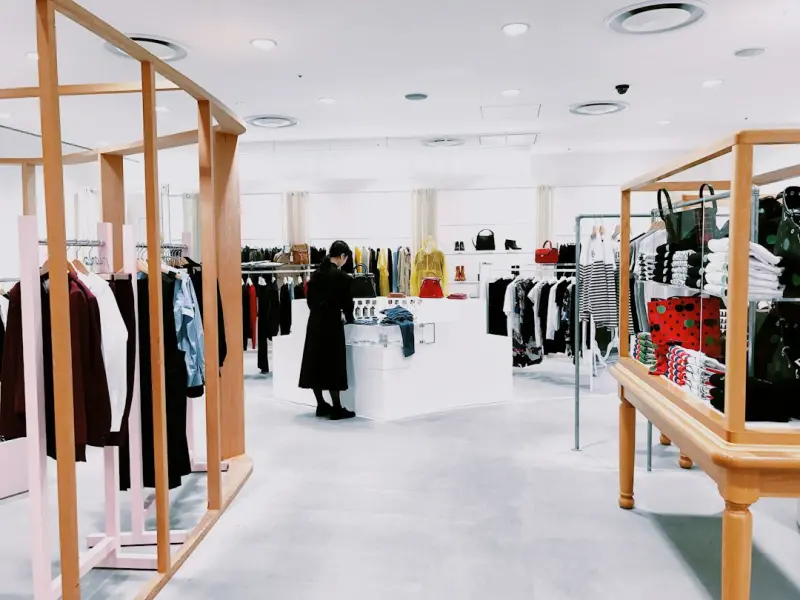
Live‑Stream Shopping Is the New Retail Playground
Live‑stream shopping merges real‑time video, community interaction, and instant checkout, turnin... Read More
Top Posts
Reimagining Account‑Based Marketing: The Experience‑Based Approach
Traditional ABM feels like a sniper rifle—precise but rigid. Melanie Wilson introduces Experience‑Based ABM, a framework that maps account experiences, cura...Read More
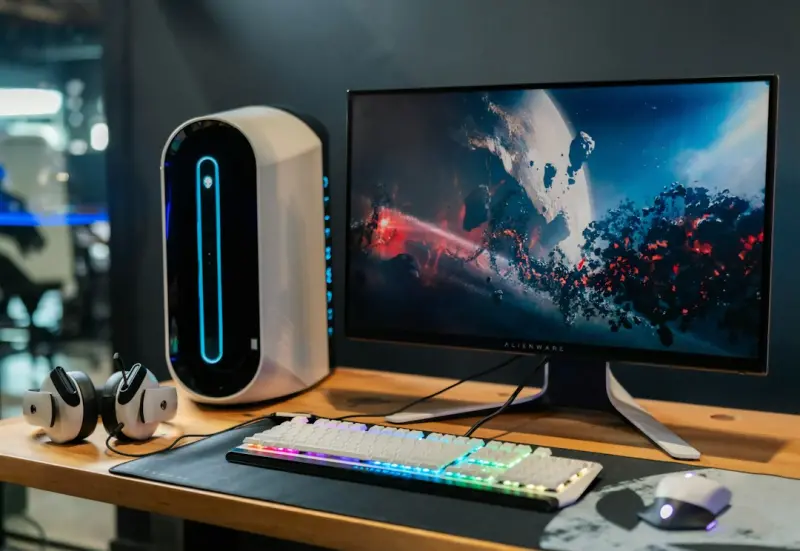
Why Modular Laptops Are the Next Evolution in Business Computing
Modular laptops transform the traditional notebook into a flexible platform, letting businesses upgrade CPUs, GPUs, and memory independently, reducing costs, im...Read More

Taste the World: Mapping Flavors on Foot
Explore a new travel mindset that lets your palate lead the way. From AI‑guided market finds to zero‑waste packing, learn how to map flavors and bring the w...Read More

Smart Kitchen, Smarter Choices: Redefining Appliances for the Modern Home
Smart kitchen appliances are moving beyond gimmicks to deliver data‑driven insights, human‑centric design, and long‑lasting, eco‑friendly value—turnin...Read More
0 Comments
Post Comment
You will need to Login or Register to comment on this post!