
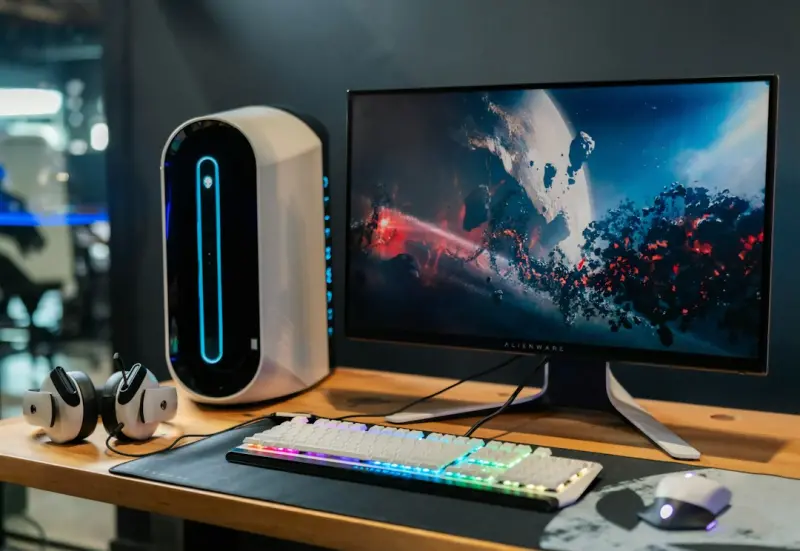
Rethinking the Laptop: From Fixed Box to Modular Platform
When I first unboxed a new notebook, the excitement was always the same: a sleek chassis, a bright screen, and the promise of productivity on the go. Over the past decade, that promise has stayed, but the underlying architecture of laptops has remained stubbornly monolithic. You buy a machine, you get a fixed CPU, a soldered‑on memory module, and a battery that’s as replaceable as a vintage car’s spark plug—if at all. It’s a model that worked when the world was content to upgrade once every few years, but today’s fast‑moving business environment demands something more adaptable.
Enter the era of modular laptops. Think of them not as a single, unchangeable device but as a platform—a chassis that houses swappable components, much like a desktop tower, yet compact enough to slide into a backpack. This shift isn’t just a cool engineering trick; it’s a strategic advantage for enterprises that need to stay ahead of hardware cycles, reduce e‑waste, and empower employees to tailor their machines to the tasks at hand.
The Business Case for Modularity
From a financial perspective, the cost of replacing an entire laptop every two to three years can be staggering for large organizations. While a high‑end ultrabook may cost $2,000, the cumulative expense across a 500‑person workforce quickly climbs into the six‑figure range. Modularity changes the equation:
- Extended Lifespan: By upgrading just the processor or adding a newer GPU module, a laptop can stay relevant for five or even seven years.
- Predictable Capital Expenditure: Instead of budgeting for full device replacements, IT teams can allocate funds for specific component upgrades, smoothing out cash flow.
- Reduced Downtime: Swappable batteries and storage means a broken part can be replaced on the spot, keeping employees productive.
- Sustainability Metrics: Fewer devices sent to landfill improves corporate ESG scores, a metric that’s increasingly tied to investor confidence.
In short, modular laptops align hardware strategy with the same agile principles we apply to software development.
Design Philosophy: Learning from Other Industries
Industries like automotive and smartphone manufacturing have long embraced component standardization. The Composable Frontends movement in software mirrors this philosophy: break down monoliths into interchangeable parts that can be recombined on demand. The same logic can be applied to hardware.
Imagine a laptop chassis that accepts:
- CPU modules based on a common socket, allowing an upgrade from an entry‑level processor to a high‑performance chip without swapping the entire motherboard.
- Memory sticks that click into place, akin to desktop DIMMs, providing flexibility for data‑intensive workloads.
- GPU tiles that can be added for graphic‑design teams or removed for a lighter, longer‑lasting battery life.
- Swap‑in storage bays supporting NVMe, SATA, or even emerging storage‑class memory technologies.
Such a system reduces the need for “one‑size‑fits‑all” laptops and lets organizations build configurations that match specific job functions—sales reps get lightweight models with extended battery life, while engineers receive compute‑heavy variants with extra GPU power.
Technical Challenges and How We’re Solving Them
Modular design isn’t without hurdles. The biggest concerns are:
- Thermal Management: More powerful components generate heat. Engineers must design chassis with advanced heat‑pipe networks and active cooling that can adapt to different module configurations.
- Signal Integrity: High‑speed data lanes, especially for PCIe 5.0 or beyond, require robust connectors that maintain performance across multiple insertions.
- Physical Robustness: Frequent swapping can wear down contacts. Materials like gold‑plated pins and reinforced latch mechanisms are essential.
- Software Integration: The operating system must recognize and seamlessly re‑configure for new hardware on the fly, a task that benefits from modern driver frameworks and firmware abstraction layers.
Leading manufacturers are already tackling these obstacles. For example, the latest “smart latch” systems employ magnetic alignment for error‑free module insertion, while AI‑assisted fan control adjusts cooling profiles in real time based on the active hardware stack.
Security Implications of Swappable Parts
Security teams might wonder: does a modular laptop increase the attack surface? The answer is nuanced. On one hand, removable components could be stolen or tampered with. On the other, the ability to replace a compromised module—say a compromised Wi‑Fi card—without wiping the entire device offers a rapid mitigation path.
To address concerns, vendors are incorporating:
- Encrypted Module Interfaces: Each component communicates over a secure channel, ensuring only authenticated parts can be attached.
- Hardware‑Based Attestation: The system’s TPM (Trusted Platform Module) verifies the integrity of each inserted module before booting.
- Remote Lock‑out Capabilities: IT admins can remotely disable a lost or stolen component, rendering it useless without the proper cryptographic keys.
These measures turn a potential vulnerability into a controllable security feature, aligning hardware management with modern zero‑trust principles.
Real‑World Use Cases
Field Service Teams: Technicians often work in environments where power is scarce and durability is paramount. A modular laptop with swappable battery packs and ruggedized input modules allows them to adapt to long shifts without carrying multiple devices.
Creative Studios: Graphic designers and video editors need high‑performance GPUs for rendering. By adding a GPU tile only when required, studios can keep the base system lightweight for daily tasks, reducing wear and extending the overall device lifespan.
Education: Schools can outfit classrooms with a base laptop chassis and then allocate higher‑spec modules for advanced labs, ensuring equitable access while managing costs.
Future‑Proofing: Preparing for Emerging Technologies
One of the most exciting aspects of modular laptops is their ability to stay compatible with emerging standards. As compute‑in‑memory and optical interconnects become mainstream, a modular platform can simply adopt new modules that leverage these advances, without a wholesale device replacement.
Moreover, sustainability initiatives are driving manufacturers toward recyclable chassis materials and take‑back programs. A modular approach dovetails neatly with these goals: when a component reaches end‑of‑life, it can be returned for recycling while the chassis lives on.
Implementing a Modular Strategy in Your Organization
Transitioning to modular laptops requires careful planning:
- Audit Current Device Landscape: Identify use‑cases where a one‑size‑fits‑all laptop is limiting performance or inflating costs.
- Define Module Standards: Choose a vendor ecosystem that offers a clear roadmap for CPU, GPU, memory, and storage modules.
- Pilot Program: Deploy a small batch to a mixed group of users—sales, engineering, and support—to gather feedback on ergonomics, performance, and maintenance processes.
- Integrate with Asset Management: Update inventory systems to track individual modules, not just whole devices.
- Educate End‑Users: Provide simple guides for swapping components safely, similar to how many organizations already train staff on docking stations.
By following these steps, you’ll not only reduce hardware spend but also create a culture of continuous improvement—mirroring the agile development cycles that have become the hallmark of modern software teams.
Conclusion: A New Paradigm for Business Computing
The laptop has been a steadfast companion for professionals for decades, but it’s time to evolve from a static tool into a dynamic platform. Modular laptops offer a compelling blend of cost efficiency, sustainability, security, and performance flexibility that aligns perfectly with today’s business demands. As we look ahead, the devices that can adapt—through swappable processors, memory, and graphics—will be the ones that empower teams to innovate without being held back by hardware constraints.
If you’re intrigued by how modular design can reshape your IT strategy, consider exploring related concepts such as Hybrid Work Powerhouse approaches, which emphasize flexibility and resilience in the modern workplace.

Jim Pearse, a seasoned freelance writer, brings a wealth of knowledge and passion to the world of home and garden. From the intricacies of landscaping to the nuances of interior design, Jim delves into every aspect of creating comfortable, beautiful, and functional living spaces.
Related Posts

Modular Laptops Meet Cloud Power: Future‑Proofing Your Workflow
A deep dive into the emerging trend of modular laptops combined with cloud compute, offering practic... Read More

Why Modular Laptops Are the Next Big Disruption
Modular laptops let users upgrade components like CPU, GPU, and storage without replacing the whole ... Read More
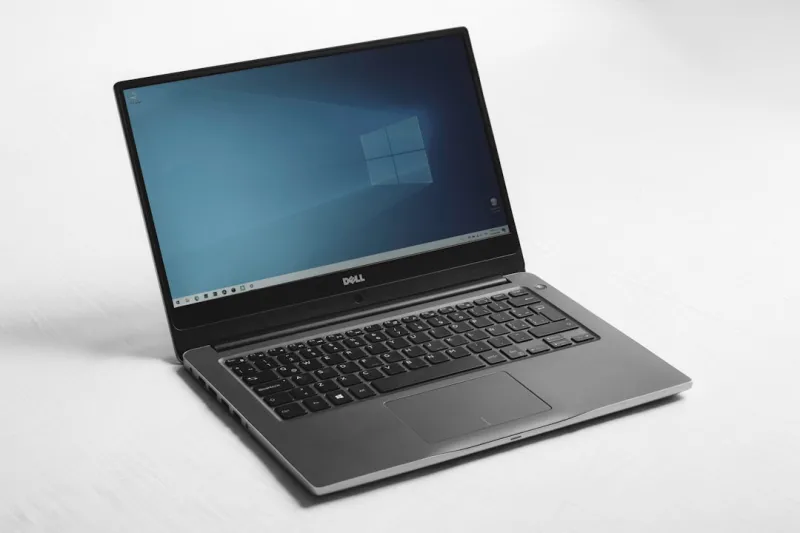
The Green Revolution in PC and Laptop Manufacturing: A Sustainable Future
The PC and laptop industry is undergoing a green revolution, with manufacturers prioritizing sustain... Read More
Top Posts

AI‑Generated Snippets: The New SEO Frontier for SaaS
Learn why AI‑generated snippets are reshaping search, and get a step‑by‑step strategy to future‑proof your SaaS SEO with entity mapping, micro‑pages, ...Read More
Edge Intelligence: Reimagining Industrial Products for Real‑Time Value
Edge intelligence turns industrial products from passive assets into active decision‑makers, enabling real‑time optimization, predictive maintenance, and sa...Read More

The Rise of Hybrid Creative Labs: Redefining Speed and Impact for Media Agencies
Hybrid Creative Labs blend agency talent, client marketers, and freelancers into shared spaces, enabling rapid co‑creation, new performance metrics, and a cul...Read More

Adventure Gaming Meets the Outdoors
Adventure gaming blends real‑world exploration with interactive narratives, turning hikes into collaborative quests that enhance health, foster community, and...Read More
0 Comments
Post Comment
You will need to Login or Register to comment on this post!