
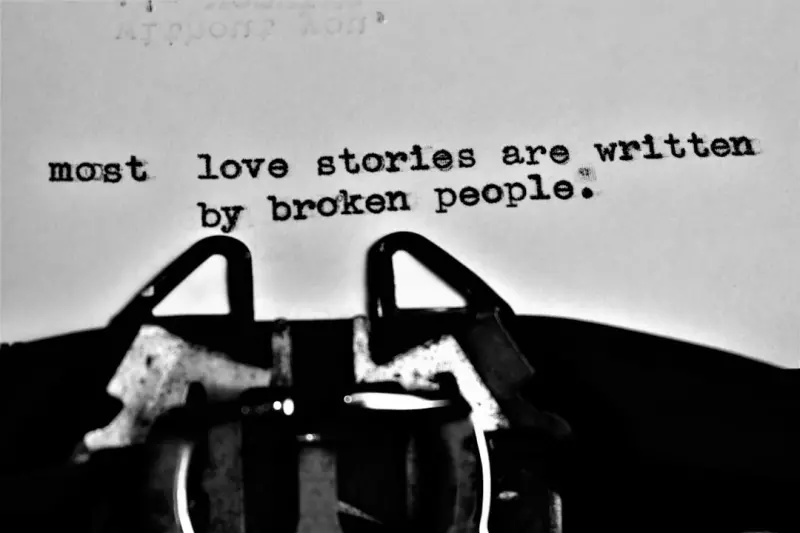
Storytelling as Self‑Therapy: Re‑writing Your Inner Narrative for Better Mental Health
When I first stumbled into the world of creative writing, I thought I was chasing a hobby. Little did I know I was unlocking a secret mental‑health toolkit that would become my go‑to when stress, self‑doubt, or burnout tried to hijack my day. In this post, I’ll share how the simple act of shaping your own story can rewire neural pathways, build emotional resilience, and give you a sense of agency that modern life often steals away.
Why Our Brain Loves Stories (and Why It’s a Problem When the Narrative Is Stuck)
Humans are hard‑wired for narrative. From bedtime tales that taught us morals to the news headlines that shape our worldview, we constantly interpret events through story frames. Neuroscientists call this “narrative cognition”—the brain’s preference for linking events, emotions, and meanings into a coherent arc.
When the arc is smooth, we feel cohesion. When it breaks—say, a career setback or a personal loss—the brain latches onto a negative script. This script can become a self‑fulfilling prophecy: “I’m not good enough,” repeats, and the brain lights up the same stress pathways every time the thought resurfaces.
Storytelling as self‑therapy works by giving you a pen (or keyboard) to edit those scripts. It’s not about creating a bestseller; it’s about re‑authoring the internal dialogue that fuels anxiety, imposter syndrome, and chronic stress.
Three Core Benefits of Narrative Self‑Therapy
- Externalization – Putting thoughts on paper separates you from them. The story becomes an object you can examine rather than a relentless internal monologue.
- Perspective Shifting – By structuring events chronologically, you can see cause‑and‑effect relationships that were previously invisible, opening doors to empathy and self‑compassion.
- Future‑Casting – Narrative tools let you draft multiple possible endings, training the brain to anticipate positive outcomes rather than defaulting to worst‑case scenarios.
Getting Started: A Simple Four‑Step Framework
Below is a practical, low‑barrier method you can try tonight. No therapist’s couch required—just a notebook, a pen, and a quiet corner.
- Capture the Scene – Write a brief description of a recent moment that triggered strong emotion. Include sensory details (sights, sounds, smells). This grounds the story in reality.
- Identify the Characters – Who’s in the scene? You, a colleague, a family member, an inner critic? Naming them helps you see the dynamics at play.
- Spot the Plot Twist – What belief or assumption is driving the emotional surge? Challenge it by asking, “Is this fact, or an interpretation?”
- Rewrite the Ending – Draft an alternative outcome where you respond with curiosity or kindness rather than judgment. Highlight the resources you already have.
Let’s illustrate with a quick example:
Scene: I missed a deadline and felt my heart race.
Characters: Me (the anxious employee), the deadline (the silent judge), my inner critic (the doubting voice).
Plot Twist: “I’m a failure because I missed one deadline.”
Rewritten Ending: “I missed the deadline, but I learned that I work best with a 15‑minute buffer. I’ll adjust my schedule and ask for clarification next time.”
Notice the shift? The rewritten narrative acknowledges the problem, extracts a lesson, and ends with agency.
Deepening the Practice: Journaling Techniques That Amplify Healing
Once you’re comfortable with the four‑step framework, you can layer in richer techniques that deepen neural rewiring.
Letter to the Future Self
Write a letter addressed to yourself six months from now. Describe how you’ve navigated current challenges and what strengths you’ve cultivated. This practice taps into the brain’s “prospective memory” system, priming it for goal‑aligned behavior.
Dialogic Journaling
Set up a dialogue between you and an aspect of yourself—perhaps the inner critic and the compassionate observer. Let each voice speak without interruption, then switch roles. This method externalizes internal conflict and often reveals hidden motivations.
Gratitude Narrative
Instead of listing items, craft a short story about a day when you felt genuinely grateful. Embed the gratitude in a plot: a problem, a turning point, and a resolution that highlights the source of thankfulness. This blends gratitude with narrative flow, magnifying its mood‑lifting effects.
Integrating Sensory Elements: A Bridge to the Body
Stories aren’t just mental—they’re embodied. When you describe the texture of a blanket or the scent of rain, you engage the sensory cortex, which can calm the nervous system. For a hands‑on example of how sensory design supports well‑being, check out Cultivating a Sensory Garden. Even if you don’t have a garden, you can bring the same principles inside: a scented candle, a tactile stress ball, or a playlist of ambient sounds while you write.
Breathwork Meets Narrative: Enhancing Flow State
While this post isn’t about breathwork per se, pairing a simple breathing rhythm with your storytelling can boost focus and reduce anxiety. For a deeper dive into how breathwork can anchor you in a hyper‑connected world, see The Unseen Power of Breathwork. Try this: inhale for four counts, hold for two, exhale for six while you write. The physiological pause gives your mind a moment to settle, making the narrative clearer.
Overcoming Common Roadblocks
“I’m not a writer.” – The truth is, you don’t need literary flair. Your story is for you, not a publisher.
“It feels selfish to focus on my feelings.” – Remember, emotional health is a foundation for empathy. By tending to your inner world, you become better equipped to support others.
“I don’t have time.” – Even five minutes a day can create a habit. Set a timer, write, and stop. Consistency beats length.
Measuring the Impact: Small Wins That Add Up
When you start, the benefits may feel abstract. To track progress, use a simple mood log:
- Rate your baseline anxiety on a 1‑10 scale before you begin a session.
- After writing, re‑rate. Note any shift.
- After a week, compare averages.
Many practitioners report a 15‑30% drop in reported stress after two weeks of consistent narrative journaling. Even if numbers vary, the qualitative shift—feeling “lighter,” more “in control,” or “hopeful”—is a valuable metric.
Bringing It All Together: A 30‑Day Narrative Challenge
Ready to turn theory into habit? Here’s a scaffolded challenge you can adopt individually or with a team:
- Days 1‑7: Practice the four‑step framework once per day.
- Days 8‑14: Add a sensory detail to each entry.
- Days 15‑21: Alternate between “Letter to Future Self” and “Dialogic Journaling.”
- Days 22‑30: Combine breathwork (four‑two‑six) with each writing session, and track mood before/after.
At the end of the month, reflect on patterns. Which narratives persisted? Which new scripts emerged? Use those insights to set intentional mental‑health goals for the next quarter.
Conclusion: Your Story Is a Living Asset
In a world that bombards us with data, deadlines, and digital noise, the most powerful tool we have is our own narrative. By treating your inner story as a mutable, improvable asset, you give yourself permission to grow, heal, and thrive. The next time a stressful event arises, remember: you hold the pen.
So pick up that notebook, breathe, and start rewriting. Your future self will thank you.

When it comes to the world of blogging and writing, Rose DesRochers is a name that stands out. Her passion for creating quality content and connecting with her audience has made her a trusted voice in the industry. Aside from her skills as a writer and blogger, Rose is also known for her compassionate nature.
Related Posts

When the Mind Drifts: Turning Daydreams into a Resilience Toolkit
Discover a simple three‑step practice to harness the wandering mind, turning idle daydreams into a... Read More

Rethinking Mental Resilience: The Quiet Power of Intentional Digital Boundaries
A deep dive into why constant connectivity erodes mental health and how purposeful digital boundarie... Read More
Sprint Your Mind: Applying Agile Sprints to Everyday Mental Resilience
Learn how to use agile sprint principles as a practical framework for mental health, turning short, ... Read More
Top Posts

The Power of Micro‑Storytelling in Modern Content Marketing
Micro‑storytelling turns tiny, emotionally resonant narratives into powerful marketing assets. Learn a five‑step framework, channel tactics, and measurement...Read More

The SaaS Playbook for Planning a Wedding That Runs Like Clockwork
Discover how product roadmaps, automation, and data‑driven decisions can turn wedding planning into a seamless, enjoyable experience that feels as smooth as a...Read More

Embracing Sustainable Living: Transforming Your Home into an Eco-Friendly Haven
Discover simple and cost-effective ways to make your home more eco-friendly. Learn how to adopt sustainable practices and reduce your environmental impact....Read More

Cultivating Resilience: How Modern Gardens Thrive Amid Uncertainty
Explore how to build a resilient garden through soil health, climate‑smart design, native plants, regenerative practices, and smart technology, ensuring your ...Read More
0 Comments
Post Comment
You will need to Login or Register to comment on this post!