
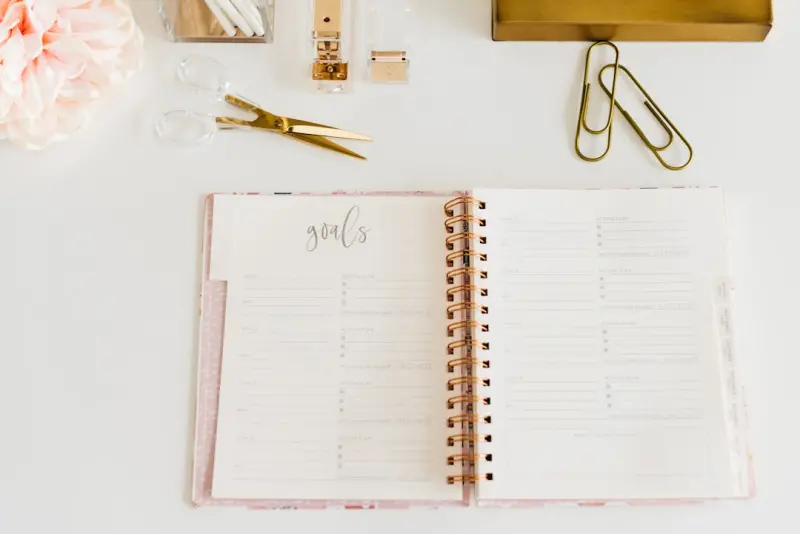
When you’re staring at a spreadsheet of 200+ guests and a budget that feels more like a wish list, the whole idea of planning a wedding can start to look like a high‑stakes tech rollout. I’ve spent the last decade juggling product launches, SaaS roadmaps, and a handful of my own big‑day celebrations, and I’ve learned that the same principles that keep a software launch on track can make a wedding feel effortless – even magical.
From Roadmaps to Seating Charts: The Power of a Living Document
In product development, a living roadmap is a single source of truth that evolves as priorities shift. Apply that to your wedding and you instantly gain clarity. Start with a master Google Sheet (or a dedicated SaaS tool if you love the extra bells and whistles) that lists every element: venue, vendors, guest list, dietary restrictions, timelines, and even the little “must‑have” details like a specific shade of lavender for the bridesmaids’ dresses. Treat each row as a user story – “As a guest, I want clear directions so I don’t get lost on the way to the ceremony.” This mindset forces you to think about the experience from the attendee’s perspective, a habit that any product manager knows is critical for adoption.
Every time you receive an update – a vendor confirming a delivery date, a last‑minute RSVP, or a change in the couple’s vision – you edit the document, assign a new owner, and set a due date. The result is a dynamic, always‑up‑to‑date plan that prevents the dreaded “I thought you were handling that!” moments that ruin even the most polished events.
Automation Isn’t Just for Emails
We all love the convenience of automated email sequences in SaaS, but the same concept can be a game‑changer for wedding communication. Use an email automation platform to send guests a series of timed messages: a save‑the‑date reminder, a travel guide for out‑of‑town attendees, a “what to wear” tip, and a final logistics email the week before the big day. By segmenting your list (e.g., “local guests,” “out‑of‑state guests,” “plus‑ones”), you ensure that each person receives only the information they need, cutting down on confusion and endless back‑and‑forth questions.
Even better, embed a searchable FAQ hub on your wedding website. Guests can type “parking” or “dietary restrictions” and instantly pull up the relevant details, freeing you from playing the role of the 24/7 concierge.
Data‑Driven Décor: Let Numbers Guide Your Aesthetic
One of my favorite SaaS lessons is letting data inform design decisions. Before you pick the table linens or the color palette, run a quick poll of your guest list. Use a simple Google Form to ask attendees their favorite color accents or whether they prefer a rustic or modern vibe. The results may surprise you – perhaps your “classic white” crowd actually leans toward blush and sage. With that insight, you can allocate your budget to the elements that truly resonate, ensuring the décor feels cohesive and guest‑centric.
Another tip: analyze the RSVPs for trends. If 70% of your guests are traveling from out of state, prioritize comfortable transportation options and a welcome kit that includes maps, local tips, and maybe a small gift like a custom bottle of water. If you notice a high percentage of kids, consider a dedicated play area with tech‑enabled activities (think “Kids’ Corner” iPads pre‑loaded with interactive games). The data tells you where to spend and where to save.
Personalized Vows Powered by AI (Without the Creepy Factor)
AI writing assistants have become a staple in content creation, and they can be a secret weapon for crafting heartfelt vows. Feed the model a few key anecdotes about your relationship – how you met, a funny mishap, the moment you realized they were “the one” – and let it generate a draft. Use it as a springboard, not a script; the final version should still feel like your own voice. The AI can help you find the perfect balance between romance and humor, ensuring your vows are memorable without sounding rehearsed.
Pro tip: run your draft through a “read‑aloud” AI tool to gauge pacing and emotional impact. If the AI flags a sentence as “monotonous,” consider re‑working it to add a punchier rhythm. This iterative process mirrors how we refine product copy for maximum conversion.
Live‑Streaming for the Remote Crowd
Even if you’re not a tech company, the pandemic taught us that live streaming isn’t just a backup plan – it’s an essential feature. Choose a reliable platform that supports high‑definition video, real‑time chat, and interactive elements like virtual guestbooks. Offer a “virtual table” where remote guests can drop a message that appears on a screen at the reception, creating a seamless blend of physical and digital attendance.
Don’t forget to test the bandwidth and run a rehearsal. In SaaS, we call this a “stress test.” Simulate peak traffic by having a few friends join the stream simultaneously and watch for lag. Adjust your internet plan or upgrade your router as needed. A smooth live stream ensures that loved ones miles away feel just as present as those in the front row.
Vendor Management: Applying Agile Sprints
Think of each vendor – florist, caterer, photographer – as a member of an Agile development team. Set up two‑week sprints where the goal is to finalize a specific deliverable: menu tasting, floral mock‑up, venue walkthrough. At the end of each sprint, hold a brief “stand‑up” (a quick 15‑minute call) to review progress, surface blockers, and adjust timelines. This approach keeps everyone aligned and reduces the risk of last‑minute surprises.
Use a shared Kanban board (Trello, Asana, or even a physical whiteboard) with columns for “Backlog,” “In Progress,” “Review,” and “Done.” Move tasks across the board in real time, giving you a visual pulse on the overall health of the wedding prep.
Creating a Calm, Clutter‑Free Celebration Space
We all love a beautiful, Instagram‑worthy venue, but clutter can quickly turn that dream into a chaotic mess. I once consulted on a wedding where every surface was overloaded with signage, favors, and decorative props, leaving guests to navigate a maze of paper. The solution? Apply the principles from calm, clutter‑free home secrets. Start with a “one‑in‑one‑out” rule for décor items: for every new piece you add, remove one that’s less essential.
Designate clear zones: a reception area free of tables (except the main dining setup), a photo booth corner, and a quiet lounge for older guests. Use hidden storage, like decorative baskets or built‑in cabinets, to tuck away spare chairs, extra linens, or emergency kits. The result is a sleek, organized space that lets the romance of the event shine without visual noise.
Balancing the Wedding Planning Marathon with Everyday Life
Planning a wedding is a full‑time job, and most of us are juggling careers, families, and personal commitments. The key is to create boundaries, much like we do when balancing remote work and parenting. Schedule dedicated “wedding blocks” on your calendar – two hours each evening or a Saturday morning – and treat them as non‑negotiable meetings.
Leverage time‑boxing: set a timer for each task (e.g., “compare venue contracts – 30 minutes”) to keep momentum and avoid rabbit holes. Communicate your availability with partners, vendors, and your own family, so they know when you’re “in the zone.” This disciplined approach reduces stress and ensures you still have bandwidth for work, self‑care, and the occasional date night.
Guest Experience: Turning a Celebration into a Service
In SaaS, we obsess over user experience (UX) – every click, every loading screen, every error message matters. Translate that obsession to your wedding by mapping the guest journey from invitation to farewell. Identify friction points: unclear parking directions, long wait times for food, or confusing seating arrangements.
Then, design “micro‑moments” that delight. Provide a welcome cocktail upon arrival, hand out a small, personalized itinerary, or set up a self‑serve snack station during the cocktail hour. Small gestures, like a scented hand sanitizer station or a charging station for phones, show you’ve thought about comfort and convenience, turning guests into enthusiastic brand advocates for your love story.
Post‑Wedding Follow‑Up: The Thank‑You Automation
Just as SaaS companies send onboarding emails to keep users engaged, a wedding should have a post‑event communication plan. After the celebration, automatically send a thank‑you email that includes a link to a private photo gallery, a downloadable playlist of the night’s songs, and a short video montage. Use a tool that lets you personalize each email with the guest’s name and a note about their specific contribution (e.g., “Thanks for dancing the night away, Alex!”).
Not only does this reinforce the positive memories, but it also creates a digital keepsake that can be easily shared with friends and family who couldn’t attend. It’s the final touch that turns a one‑night event into a lasting relationship with your community.
Conclusion: The Wedding as a Product Launch
When you strip away the romance and focus on the mechanics, a wedding is essentially a product launch: you have a target audience, a value proposition (the love story), a timeline, and a budget. By applying the same rigor, data‑driven decisions, and automation that power successful SaaS products, you can transform the planning process from a chaotic scramble into a streamlined, enjoyable journey.
Remember, the goal isn’t to make the wedding feel like a corporate event – it’s to let the love story shine through a well‑orchestrated experience that feels effortless to both the couple and the guests. So pull out that roadmap, fire up your automation tools, and watch as your wedding day unfolds with the elegance of a perfectly launched product.

Paul Flynn is a versatile freelance writer equipped with a diverse skillset and a portfolio that reflects his wide-ranging interests and expertise. From crafting compelling website copy and engaging blog posts to delivering in-depth articles and meticulously researched reports, Flynn demonstrates a remarkable ability to adapt his writing style to suit various audiences and purposes.
Related Posts
The Secret Power of a Wedding Time Capsule: Capturing Love for Generations
A wedding time capsule transforms your celebration into a lasting heirloom, preserving vows, keepsak... Read More
How AI is Redefining the Wedding Planning Journey
Artificial intelligence is changing how couples plan weddings, offering smart invitations, vendor ma... Read More

How to Build a Wedding Time Capsule That Connects Generations
Learn to design a wedding time capsule that blends personal mementos, family contributions, and ecoâ... Read More
Top Posts

Google’s Generative Leap: How SaaS Founders Can Turn AI‑Powered Search Into Real Revenue
Google’s generative AI is reshaping search, advertising, and internal workflows. This post outlines three concrete ways SaaS founders can leverage AI‑enhanc...Read More

Online Safety in the Sustainable Digital Age: Dale Peterson’s Playbook
Dale Peterson shares a fresh take on online safety, showing how privacy habits and sustainable tech can protect you and the planet in today’s digital world....Read More
Branding in the Green Era: How Authentic Storytelling Fuels Sustainable Growth
Dale Peterson shares a fresh perspective on modern branding, showing how authentic storytelling, data‑driven narratives, and AI can build eco‑focused brands...Read More

Celebrating the Unseen: How Everyday Wins Power SaaS Culture
A deep dive into why recognizing everyday achievements matters, with practical tips for building a celebration‑centric culture that fuels engagement and innov...Read More
0 Comments
Post Comment
You will need to Login or Register to comment on this post!