

Why Your SaaS Knowledge Base Deserves an SEO Overhaul (And How to Do It)
When I first joined a fast‑growing B2B SaaS startup, my inbox was flooded with feature requests, product roadmaps, and a perpetual “where‑is‑the‑answer?” chorus from sales. The solution? Not another chatbot or a deeper integration, but a simple, often overlooked asset: the knowledge base. By treating it as a genuine SEO asset, we turned a static FAQ into a high‑traffic acquisition channel that fed the sales funnel, reduced support tickets, and reinforced our brand authority.
1. Re‑thinking the Knowledge Base as a Landing Page Collection
Most teams build a knowledge base to reduce support load, but they rarely consider that each article is essentially a landing page with its own ranking potential. Search engines reward depth, relevance, and user intent. If your articles answer the right questions, they can appear in Google’s “People also ask” boxes, in featured snippets, and even in voice‑search results that sales reps use on the go.
To start, audit every piece of content through an intent lens:
- Informational intent – “What is X feature?”
- Navigational intent – “How do I find my usage reports?”
- Transactional intent – “Can I upgrade my plan via the dashboard?”
Map each article to the primary intent and adjust the headline, meta tags, and schema accordingly. A well‑crafted title that mirrors the exact phrasing users type into Google can be the difference between a #1 ranking and obscurity.
2. Structured Data: The Secret Sauce for SaaS Queries
Search engines love structured data because it tells them exactly what your content represents. For a SaaS knowledge base, you can leverage:
- FAQ schema – perfect for Q&A style articles.
- How‑to schema – ideal for step‑by‑step guides.
- SoftwareApplication schema – signals your product’s features and pricing.
Implementing these snippets not only improves visibility but also increases click‑through rates. In my experience, adding FAQ schema to a single “Getting Started” article lifted organic clicks by 27% within a month.
3. Internal Linking That Feeds the SEO Engine
Every knowledge base article should be part of a semantic web that guides both users and crawlers through related topics. Think of it as a “topic cluster” model, where a pillar page (often the product overview) links out to detailed articles, and each article links back to the pillar and to other relevant pieces.
For example, our modular workflow approach article referenced the core “Automation Settings” guide, while that guide linked back to the workflow piece. This two‑way linking boosted the authority of both pages and helped them rank for broader terms like “SaaS workflow automation”.
4. Keyword Research: Beyond the Usual SaaS Jargon
Traditional keyword tools often surface high‑volume, competitive terms like “CRM software” or “project management SaaS”. While useful, they rarely capture the long‑tail queries that your customers actually ask. To uncover these gems:
- Scrape support ticket titles and search them for recurring phrases.
- Analyze “Searches within the help center” logs.
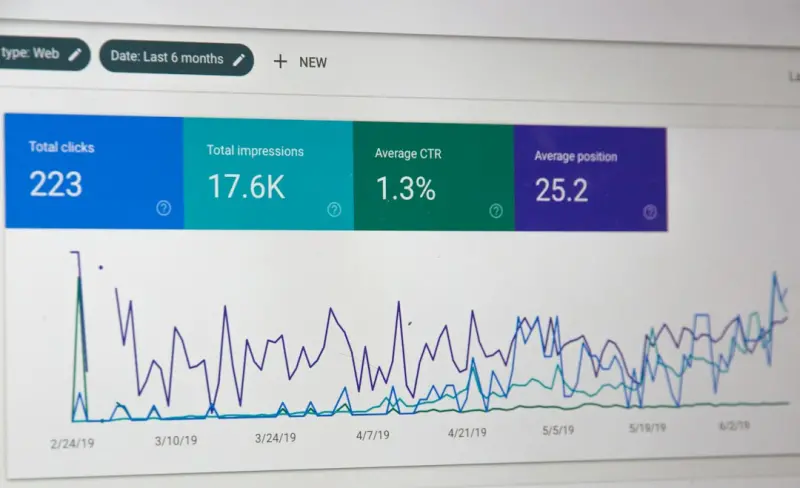
- Use Google Search Console’s “Queries” report to see which knowledge base pages already attract impressions.
These data sources reveal low‑competition, high‑intent keywords such as “how to set up API webhook in your product name” or “troubleshoot data sync error 502”. Optimizing for these phrases drives highly qualified traffic that’s ready to convert.
5. Content Refresh: A Sustainable SEO Growth Hack
Google favors fresh content, but the easiest wins come from updating existing articles. A systematic content refresh calendar can keep your knowledge base evergreen:
- Identify top‑performing articles (by impressions and clicks).
- Check for outdated screenshots, UI changes, or new feature releases.
- Enhance with new sections, add internal links, and re‑apply schema.
Each refresh should be logged in a revision history table, which you can later use to demonstrate continuous improvement to stakeholders.
6. Voice Search Optimization: The Untapped Frontier
More professionals are using voice assistants on their phones or smart speakers to find quick answers. Voice queries tend to be conversational and question‑based, which aligns perfectly with knowledge base content. To capture this traffic:
- Write answers that start with a direct response (“Yes, you can…”) followed by a concise explanation.
- Keep the first 40‑50 words succinct—this is the snippet most likely to be read aloud.
- Include natural language variations of the target question.
When we optimized a “How do I export my reports?” article for voice, it began appearing in the top three results for “Hey Siri, how do I export reports from our SaaS?” – an unexpected but valuable channel.
7. Measuring Success: SEO Metrics That Matter for SaaS
Standard SEO KPIs like organic traffic and bounce rate are useful, but for SaaS we need to tie them to business outcomes:
- Organic leads generated – track form submissions that originate from knowledge base URLs.
- Support ticket deflection rate – measure the reduction in tickets after publishing an optimized article.
- Time‑to‑value – the speed at which a prospect finds the information they need, correlated with conversion velocity.
Using a Google’s Generative AI roadmap, we set up custom events in our analytics platform that fire when a visitor clicks “Start Free Trial” after reading a knowledge base page. This closed the loop between SEO and product‑led growth, proving the ROI of our content investments.
8. Scaling the Effort: A Collaborative Workflow
SEO shouldn’t be the sole responsibility of the marketing team. A sustainable model involves:
- Product managers flagging new feature releases that need documentation.
- Customer success reps surfacing recurring support questions.
- Technical writers crafting SEO‑friendly content using the intent framework.
- SEO specialists performing keyword mapping, schema implementation, and performance tracking.
By integrating SEO checkpoints into the product release cycle, we ensure that every new capability lands with an optimized knowledge article from day one.
9. The Future: AI‑Assisted Content Generation with Human Oversight
AI tools can draft first‑pass articles, generate meta descriptions, and suggest schema markup. However, the nuance of understanding user intent and preserving brand voice still requires a human editor. The sweet spot is a hybrid workflow: AI drafts, the content owner refines for accuracy, and the SEO lead polishes for search performance.
When we piloted this approach on a batch of “API integration” guides, we cut production time by 45% while maintaining a technical accuracy score above 92% in internal reviews.
10. Takeaway Checklist
- Audit every knowledge article for search intent.
- Apply appropriate structured data (FAQ, How‑to, SoftwareApplication).
- Build a semantic internal linking web.
- Source long‑tail keywords from support logs and Search Console.
- Refresh top articles on a quarterly basis.
- Optimize for voice‑first queries.
- Track SEO metrics tied to leads and support deflection.
- Embed SEO into the product development workflow.
- Leverage AI for drafting, but keep human oversight.
By treating your SaaS knowledge base as a living, SEO‑driven asset, you not only empower customers with the answers they need but also unlock a sustainable, high‑intent traffic stream that fuels growth. It’s a win‑win that any product‑focused organization can implement—no massive budget, just strategic alignment and consistent execution.

In the world of freelance writing, where creativity and adaptability are paramount, Michelle Fisher stands out as a dedicated and versatile professional. With a passion for crafting compelling narratives and a keen eye for detail, Michelle has established herself as a trusted voice.
Related Posts
Zero‑Click Search: The Secret Weapon for B2B SaaS Growth
Zero‑click search is reshaping SEO for SaaS. This post explains why featured snippets and structur... Read More

Beyond Keywords: Crafting an SEO Strategy for AI‑Generated Content
AI is reshaping content creation, but SEO still relies on intent, E‑E‑A‑T, and human oversight... Read More

Unlocking the Power of Search Intent Clustering for Modern SEO
Learn why search intent clustering beats keyword‑centric tactics, and get a step‑by‑step check... Read More
Top Posts

Designing the Future Web: Voice, AI, Sustainability, and Inclusion
A fresh look at web design’s next frontier: voice interfaces, ethical AI, green coding practices, and true inclusivity that go beyond aesthetics to create pur...Read More

Negotiating Pay with Real‑Time Data: A Modern Blueprint for Career Growth
Learn to harness live market data, AI tools, and a personal salary dashboard to negotiate higher pay and build a diversified income strategy for lasting career ...Read More

Protecting Our Little Explorers: Modern Kids Safety Meets Sustainability
Explore a modern parenting roadmap that blends cutting‑edge safety tools with eco‑friendly habits, empowering children to stay protected and environmentally...Read More

The Alarming Rise of Scams in the Digital Age
Scams are on the rise in the digital age. Learn how to protect yourself and your business from these online threats. Discover the impact of scams and best pract...Read More
0 Comments
Post Comment
You will need to Login or Register to comment on this post!