
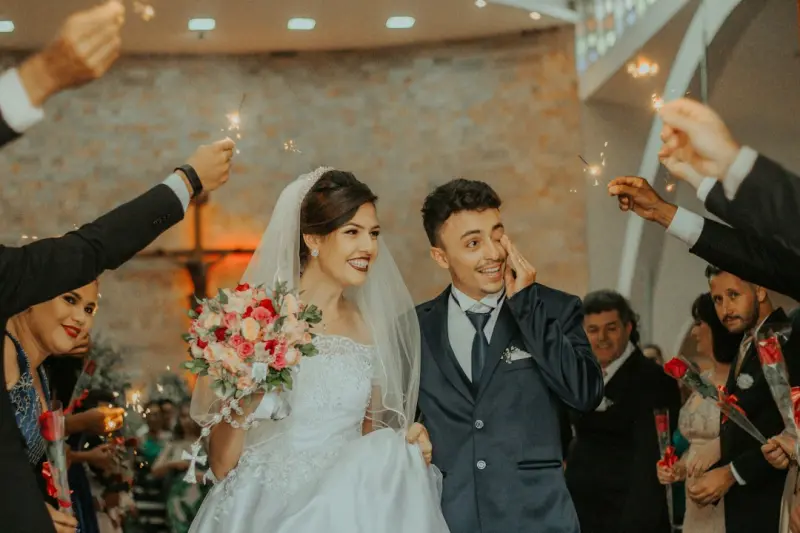
Beyond the Vows: Mapping a Wedding Timeline That Honors Every Tiny Moment
When I first sat down with my partner to plan our wedding, the spreadsheet we started with looked more like a battle plan than a love story. Dates, deadlines, vendor contracts—each cell felt like a checkpoint on a mission. It wasn’t until we shifted our focus from “getting everything done” to “capturing every feeling” that the planning process truly became magical. In this post, I’ll share the mindset and practical steps I used to transform a conventional checklist into a memory‑first timeline that celebrates every whisper of love, from the first “yes” to the lingering afterglow of the last dance.
1. Start With the Emotional Milestones, Not the Tasks
Most wedding guides begin with the logistical to‑do list: book a venue, order the dress, send invites. While those are essential, they’re often the noisy background to the real story you want to tell. I recommend beginning with the emotional milestones that define your relationship:
- The First Spark: The moment you realized you were head‑over‑heels.
- The Proposal: The setting, the words, the surprise.
- The Pre‑Wedding Jitters: The night before the rehearsal dinner.
- The First Look: The raw, unscripted reaction when you see each other in your wedding attire.
- The Vows: The promises you write together.
- The First Dance: The song that moves you both.
- The Exit: The way you say goodbye to your guests and step into married life.
Write these moments on sticky notes and arrange them on a wall. Notice how they naturally form a narrative arc. This visual cue becomes the backbone of your timeline, ensuring that every decision—whether it’s a floral arrangement or a lighting choice—serves the story you’re crafting.
2. Translate Emotions Into Concrete Time Slots
Once your emotional milestones are mapped, it’s time to anchor them in the day’s schedule. Here’s a simple framework I used:
- Preparation Phase (Morning – 2‑3 hrs): Include hair, makeup, and a quiet moment of reflection. I set an alarm for a sunrise walk with my partner, a ritual that helped us ground ourselves before the whirlwind.
- First Look & Photo Session (30‑45 mins): Capture the raw reaction. I asked our photographer to keep the lighting soft and natural, letting the emotions shine.
- Ceremony (30‑45 mins): Focus on the vows and the symbolic gestures that mean the most to you—whether it’s a sand ceremony, a handfasting, or a simple ring exchange.
- Transition & Cocktail (45‑60 mins): Use this window for candid guest interactions. I placed a family safety hack station where parents could quickly check child‑proofing tips, turning a practical need into a conversation starter.
- Reception (2‑3 hrs): Structure the reception around your emotional peaks—first dance, speeches, cake cutting—rather than a rigid sequence of events.
- Afterglow (Late Night): Offer a relaxed space—think lounge with low lighting, a small fire pit, or a quiet balcony. This is where the day’s emotions settle and new memories form.
Notice how each block is defined by feeling, not just function. When you think of the timeline this way, you’re less likely to over‑schedule and more likely to enjoy each moment fully.
3. Infuse Technology Without Losing the Human Touch
Technology can be a silent partner in a wedding, but it’s easy to let it dominate. I wanted gadgets that enhanced intimacy, not distracted from it. One clever addition was a set of smart kitchen tools at the reception. Instead of a traditional catering station, we set up a “DIY cocktail bar” powered by a connected dispenser that measured exact pours. Guests could customize their drinks via a tablet, and the system logged popular combos for a post‑wedding “cocktail recap” that we later shared with everyone.
Another subtle tech touch was a live‑streamed playlist that let guests in different rooms (or even those who couldn’t attend) vote for the next song in real time. It turned the music selection into a collaborative experience, echoing the experimental vibe we love in our professional lives.
4. Make Space for Multi‑Generational Connections
Weddings often bring together three, four, sometimes five generations under one roof. I wanted each generation to feel seen, so I built “memory stations” at three key points:
- Grandparents’ Corner: A small table with vintage photo albums and a portable scanner. Guests could digitize old family photos on the spot, creating a shared digital album that lives beyond the day.
- Kids’ Play Nook: Not just a babysitting room, but a creative hub with crayons, storybooks, and a “wedding‑themed” puzzle. It kept the little ones engaged while adults could enjoy the ceremony without worry.
- Friends’ Photo Booth: A backdrop made from reclaimed wood and string lights, paired with a Polaroid camera. The tactile feel of instant photos added a nostalgic layer to the modern setting.
These stations turned passive attendance into active participation, ensuring that everyone left with a piece of the day that mattered to them personally.
5. Build In “Quiet Moments” for Reflection
Amid the excitement, I scheduled two intentional pauses:
- Pre‑Ceremony Breath: Ten minutes before the aisle opened, the officiant dimmed the lights and invited the couple to stand side‑by‑side for a silent breath. This simple practice grounded us and reminded us why we were there.
- Post‑Reception Gratitude Circle: After the final song, we gathered the close family and friends for a quick round where each person shared one thing they felt grateful for that day. It was a heart‑warming wrap‑up that lingered long after the cake was sliced.
These quiet interludes created emotional “breathers,” letting the high‑energy moments shine brighter.
6. Curate a Keepsake Timeline for the Future
At the end of the night, I handed each guest a small, custom‑printed timeline card. It listed the key emotional milestones we’d highlighted, paired with a QR code that linked to a private gallery of photos and videos. This tangible reminder serves as a bridge between the day’s fleeting magic and the everyday life that follows.
Even years later, when you pull out that card, you’ll be reminded of the exact moment you heard the first notes of your first dance, the look in your partner’s eyes during the vows, and the laughter shared at the cocktail bar. It’s a subtle way to keep the story alive without relying on bulky photo albums.
7. Embrace Flexibility and Celebrate the Unexpected
No timeline is set in stone. The rain might start during the ceremony, a speech could go longer than expected, or a sudden power outage could turn the reception into a candlelit soirée. Instead of seeing these as hiccups, view them as opportunities to add spontaneity to your narrative.
When a sudden thunderstorm forced us indoors, we turned the moment into an impromptu “rain‑dance” that had everyone laughing. The DJ switched to an acoustic set, and the vibe became intimate, almost like a private concert. Those unscripted moments often become the most cherished stories you’ll tell at future anniversaries.
8. The Anniversary Follow‑Up: Revisiting the Timeline
One of the greatest gifts of a memory‑first timeline is its reusability. On each anniversary, I pull out the original timeline card and reflect on the growth since that day. We’ve added new milestones—first home purchase, the birth of our child, a career shift—by placing fresh sticky notes alongside the old ones.
This evolving timeline becomes a living document of our partnership, reminding us that marriage isn’t a single event but a series of moments we choose to honor. It also serves as a beautiful way to involve your children or grandchildren in the family story, letting them see how love unfolds over decades.
Final Thoughts: Your Timeline, Your Story
Designing a wedding timeline that celebrates every tiny moment isn’t about adding more tasks; it’s about reframing the day as a series of intentional emotional beats. By starting with the feelings you want to capture, weaving in technology that serves intimacy, and leaving space for spontaneity, you create a day that feels both meticulously planned and delightfully alive.
So, the next time you open a blank spreadsheet, close it, and reach for a stack of colorful sticky notes instead. Let your love story guide the clock, and you’ll find that the minutes melt into memories that last a lifetime—and beyond.

Amanda is a passionate writer exploring a kaleidoscope of topics from lifestyle to travel and everything in between.
Related Posts
Designing a Hybrid Wedding That Connects Every Guest, Near and Far
Hybrid weddings combine live celebrations with digital experiences, creating an inclusive, data‑dr... Read More
How AI is Redefining the Wedding Planning Journey
Artificial intelligence is changing how couples plan weddings, offering smart invitations, vendor ma... Read More
How to Craft a Multi‑Generational Wedding That Honors Every Story
A comprehensive guide to planning a wedding that celebrates the past, present, and future, blending ... Read More
Top Posts

Why Portfolio Careers Are the New Blueprint for SaaS Professionals
Explore why a portfolio career—mixing core work, side projects, continuous learning, and thought leadership—has become essential for SaaS professionals look...Read More
The Future of Tooling: How Sustainable Practices are Revolutionizing the Industry
The tooling industry is undergoing a revolution, driven by the adoption of sustainable practices. Learn how eco-friendly tools and sustainable materials are tra...Read More

Beyond Walks: Building a Holistic Wellness Routine for Urban Dogs
A comprehensive guide for city dog owners that blends movement, mental enrichment, nutrition, technology, socialization, and rest into a sustainable wellness ro...Read More
When Your Phone Becomes a Trojan Horse: The Unseen Threat of AI‑Powered Voice Deepfakes
A senior executive’s voice can now be cloned with AI, enabling fraudsters to request urgent payments via phone. This article explains the rise of voice deepfa...Read More
0 Comments
Post Comment
You will need to Login or Register to comment on this post!