
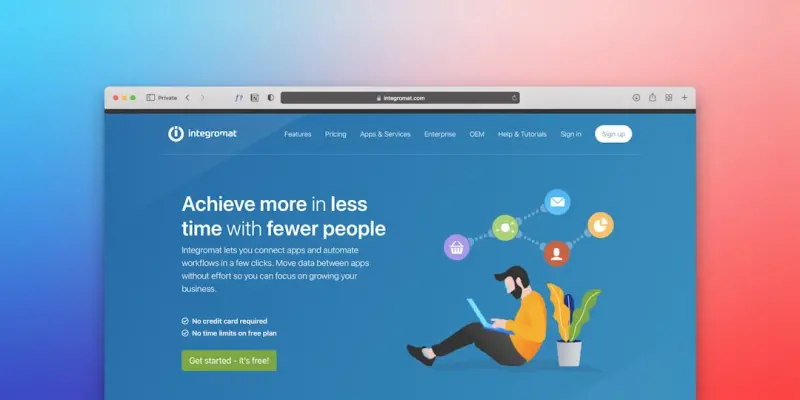
Why Traditional Branding No Longer Cuts It
When I first cut my teeth in B2B SaaS, branding was a static logo, a tagline, and a glossy slide deck. Fast‑forward to today, and the battlefield has shifted. Buyers are bombarded with product demos, data sheets, and AI‑driven recommendations before they even meet a sales rep. In this hyper‑tech environment, a brand that clings to legacy tactics feels like a relic in a museum. The real challenge—and opportunity—is to turn branding into an experience that evolves with every user interaction, every data point, and every moment of friction.
The Data‑Driven Brand Story
Data is no longer just a backend concern; it’s the narrative thread that weaves through every brand touchpoint. When a prospect logs into a trial, the metrics they see, the onboarding messages they receive, and the insights they gain are all story elements. If those elements echo your brand promise—speed, reliability, innovation—then the brand is living, breathing, and measurable. The trick is to align product metrics with brand values. For instance, a SaaS platform that promises “instant insight” should surface actionable analytics within seconds, not minutes. Every latency becomes a brand liability.
Integrating Brand Into Product Experience
The most powerful brand moments happen inside the product itself. Think about the subtlety of a well‑crafted onboarding flow: a warm welcome message that uses your brand’s tone of voice, micro‑animations that reflect your visual identity, and contextual tips that reinforce your brand promise of simplicity. When these elements are intentionally designed, the product becomes an extension of the brand rather than a separate entity. This integration also reduces the reliance on external marketing spend—your product is doing the heavy lifting of brand evangelism.
The Role of modular workflow toolkit in Brand Consistency
Consistency is the holy grail of branding, but achieving it across multiple teams—product, support, marketing, and sales—can feel like herding cats. The rise of modular workflows provides a scaffolding that ensures every department speaks the same language. By breaking down processes into reusable blocks—like “brand‑aligned content creation” or “customer‑centric onboarding”—you embed brand guidelines into the very DNA of daily operations. Teams can pick, customize, and execute these modules without reinventing the wheel, guaranteeing that the brand voice, visual cues, and value propositions stay uniform.
Mobile as a Brand Touchpoint
While desktop dashboards dominate B2B SaaS, the mobile experience is increasingly the first point of contact for field teams, executives on the go, and even customers in emerging markets. A sleek, responsive mobile app does more than just deliver functionality; it signals that your brand cares about accessibility, speed, and modernity. Leveraging the insights from mobile apps as growth engines, you can design push notifications, in‑app messages, and UI patterns that reinforce brand personality—whether that’s bold confidence or quiet reliability.
Co‑creating Brand with hybrid creative labs
Branding is no longer a siloed function. Hybrid creative labs—teams that blend designers, data scientists, and product managers—are reshaping how brands are built at speed. These labs operate at the intersection of creativity and analytics, allowing you to prototype brand experiences, test them with real users, and iterate in days instead of months. The outcome is a brand that feels both emotionally resonant and data‑validated. By embedding brand experiments into the product roadmap, you ensure that every new feature carries a brand‑centric rationale.
Measuring Brand Health in Real Time
Traditional brand health surveys are quarterly at best and often disconnected from actual usage patterns. In a SaaS context, you have a treasure trove of real‑time signals: Net Promoter Score (NPS) after support tickets, feature adoption curves, churn reasons, and even sentiment analysis from chat logs. Combine these with brand‑specific KPIs—like “brand‑aligned feature usage” or “brand perception lift after onboarding”—to build a live dashboard. This dashboard becomes the new brand scorecard, enabling swift course corrections before perception gaps become churn drivers.
Actionable Playbook for B2B SaaS Marketers
- Audit the product experience: Map every user journey and identify brand touchpoints. Flag any friction that contradicts your brand promise.
- Codify brand guidelines into modular workflows: Use a toolkit that allows teams to select pre‑approved content blocks, tone guidelines, and visual assets.
- Leverage mobile as a brand amplifier: Ensure your mobile app reflects the same visual language and voice, and use push notifications to reinforce brand values.
- Establish a hybrid creative lab: Bring together designers, data analysts, and product managers to prototype brand experiments and test them with a live user segment.
- Build a real‑time brand health dashboard: Pull NPS, usage data, and sentiment scores into a single view that updates daily.
- Iterate relentlessly: Treat brand improvements as product features—release, measure, learn, and repeat.
Branding in the hyper‑tech era is not a static billboard; it’s an adaptive, data‑infused experience that lives inside your product, your mobile app, and every workflow your teams execute. By treating brand as a living system—measurable, modular, and collaborative—you turn it from a marketing afterthought into a growth engine that resonates with today’s SaaS buyers.

Miranda Murphy: Experienced freelance writer with a decade of storytelling expertise. Let's create something amazing together!
Related Posts
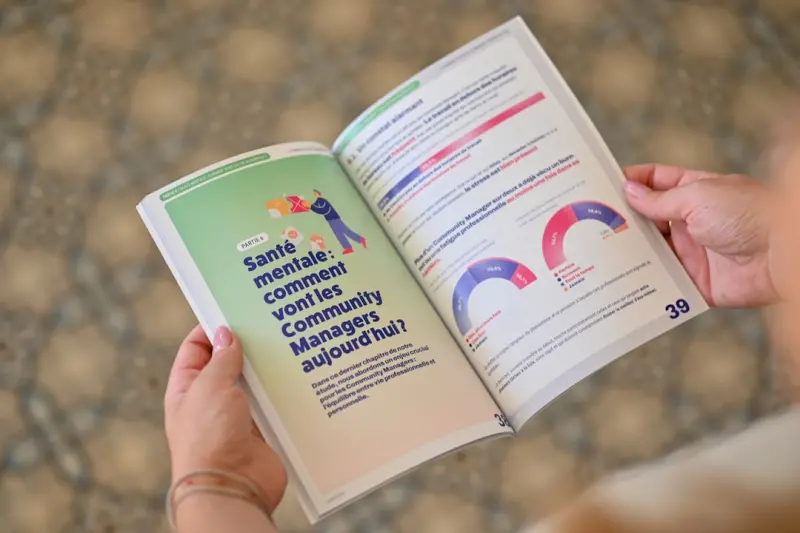
Brand Narrative DNA: How Data, Community, and Consistency Future‑Proof Your SaaS Brand
A strong SaaS brand goes beyond visuals. Discover how to craft a narrative DNA that aligns purpose, ... Read More

Branding Beyond the Logo: Designing a Signal‑Rich Ecosystem
Brands now win by orchestrating a system of signals across every touchpoint. This post explores how ... Read More

Brand Narratives in the Age of Personal Connection
In an attention‑scarce marketplace, static messaging falls short. This article explores how dynami... Read More
Top Posts
Mastering Plugin Governance: A Playbook for Scalable WordPress Teams
Learn how to map, assess, and automate plugin management with a governance playbook that turns chaotic add‑ons into a reliable, scalable ecosystem....Read More

Scam Fatigue in SaaS: Spotting the Subtle Deceptions That Cost Companies Millions
Scams are slipping into SaaS environments under the guise of legitimate requests, exploiting trust pathways and AI‑driven deepfakes. This article breaks down ...Read More

AI‑Ready Laptops: Building a Machine‑Learning‑Fit Workspace
An in‑depth look at why professionals need AI‑optimized laptops, the hardware and software features to prioritize, and a step‑by‑step plan to future‑p...Read More

Cultivating a Pollinator‑Friendly Garden in a Changing Climate
A practical, step‑by‑step guide to creating a garden that supports bees, butterflies, and other pollinators, blending native planting, climate‑resilient t...Read More
0 Comments
Post Comment
You will need to Login or Register to comment on this post!