
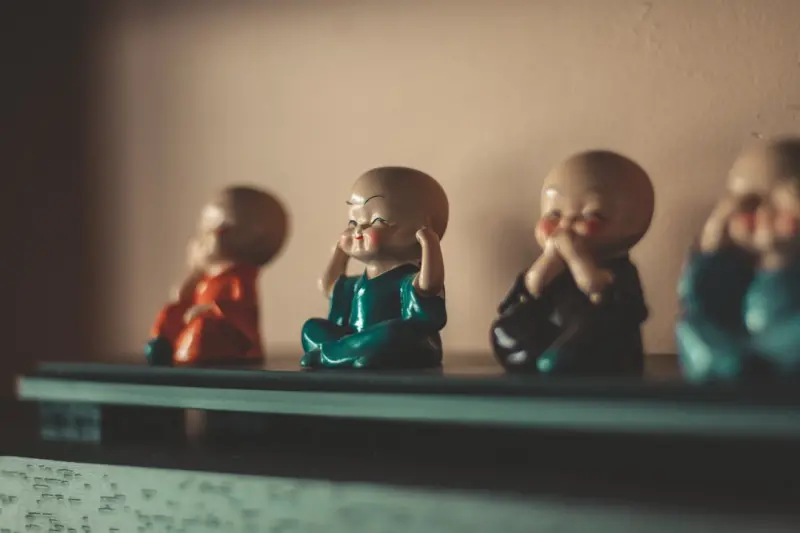
Collectible Toys: The Unexpected Wellness Ritual for Grown‑Ups
When I was a kid, my bedroom shelves were a kaleidoscope of action figures, miniature cars, and glossy trading cards. I didn’t realize at the time that those objects were more than just pastimes; they were the first tools I used to explore identity, community, and even emotional regulation. Fast forward to today, and I see a surprising number of my peers—engineers, marketers, CEOs—curating tiny universes on their desks, swapping stories on niche forums, and treating the act of unboxing a new figure like a meditation session. This isn’t a fleeting fad; it’s a cultural shift where collectible toys have become a quiet, intentional practice for mental wellness.
Why the Hobby Is Gaining Traction
Three forces are converging to make the hobby feel both timeless and newly relevant:
- Psychological safety. Collecting offers a low‑stakes environment where success is measured in completed sets rather than profit margins. It’s a realm where failure—missing a rare release or a mis‑placed piece—feels manageable and often humorous.
- Community belonging. Online marketplaces, Discord servers, and local meet‑ups provide a shared language. A simple “Did you snag the limited‑edition dragon?” can spark hours of conversation, forging bonds that extend beyond the workplace.
- Mindful micro‑rituals. The act of carefully opening a box, arranging a figure, or documenting a collection on a spreadsheet (yes, that’s a thing) creates a repetitive, tactile routine that mirrors the benefits of traditional mindfulness practices.
These drivers echo the larger wellness movement, but they do so through a medium that feels playful rather than prescriptive.
The Science Behind the Satisfaction
Neuroscience offers a neat explanation: the brain’s reward circuitry lights up not only when we achieve goals but also when we anticipate them. The “collector’s itch”—the urge to seek out the next piece—creates a dopamine surge that is both motivating and soothing. Studies on anticipatory pleasure show that the mere expectation of an upcoming unboxing can reduce stress hormones like cortisol, setting the stage for a calmer, more focused mindset.
Moreover, the physical act of handling a miniature object activates the sensorimotor cortex, reinforcing muscle memory and spatial awareness. This is why many adults find that arranging a line‑up of figurines can be as grounding as arranging a stack of paperwork.
Designing Your Own Collectible Wellness Routine
Below is a step‑by‑step framework that has helped me turn my childhood habit into a sustainable adult practice.
- Define your “why.” Are you after nostalgia, artistic appreciation, or the joy of completing a set? Knowing the purpose guides your purchasing decisions and prevents impulse buying.
- Set a budget and cadence. Treat each acquisition as a scheduled event—perhaps a monthly “unbox day.” This regularity turns the hobby into a ritual rather than a sporadic splurge.
- Choose a theme. Whether it’s retro video‑game characters, eco‑friendly mini‑vehicles, or vintage pop‑culture icons, a unifying thread creates visual harmony and narrative depth.
- Curate display space. A dedicated shelf, a shadow box, or a clear acrylic case transforms your collection into a mini‑gallery. The visual cue of a tidy, attractive arrangement reinforces a sense of accomplishment.
- Document the journey. Use a simple spreadsheet or a specialized app to track acquisitions, release dates, and personal notes. This not only satisfies the collector’s love of data but also serves as a reflective journal.
- Engage with community. Join forums, attend pop‑up events, or swap pieces with friends. The shared experience amplifies joy and introduces fresh perspectives.
Notice how each step mirrors habits found in effective professional development—goal setting, budgeting, reflection, and community engagement—yet the context is entirely playful.
Eco‑Conscious Collecting: A Sustainable Spin
One criticism often levied at the collectibles market is its environmental footprint. Plastic molds, shipping emissions, and limited‑edition runs can feel at odds with today’s sustainability ethos. However, there’s a growing sub‑culture of manufacturers who are rethinking materials, supply chains, and packaging. Brands are experimenting with recycled polymers, biodegradable inks, and even circular design principles that allow fans to return old figures for refurbishing.
When you consciously choose eco‑friendly lines, you add another layer of mindfulness to the hobby. The decision to support a sustainable brand becomes a statement of values, reinforcing the feeling that your pastime is aligned with larger life goals.
The Social Currency of Limited Editions
In the same way that a well‑timed tweet can boost professional visibility, snagging a limited‑run figurine can enhance social capital within collector circles. The “hunt” for scarce items fosters a sense of adventure akin to a treasure quest. When you finally secure that elusive piece, the story you share—how you tracked release dates, navigated pre‑orders, or traded with a fellow enthusiast—becomes a badge of expertise.
These narratives also serve as conversation starters in professional settings. I’ve seen senior engineers break the ice at board meetings by mentioning a recent “dragon‑scale release,” leading to unexpected collaborations on product design. The crossover between personal hobby and workplace dialogue highlights the subtle power of shared cultural touchstones.
Integrating Collectibles with Digital Tools
While the core of collecting is tactile, the digital world can amplify the experience. Dedicated apps let you scan QR codes on packaging to unlock augmented‑reality animations, while community platforms provide real‑time alerts for upcoming drops. Some collectors even use AI‑driven dashboards to predict market trends, mirroring the way B2B teams track integrated AI dashboards for strategic decisions.
These tools don’t replace the joy of holding a physical object; they simply add a layer of information that satisfies our analytical instincts, making the hobby feel both nostalgic and forward‑thinking.
From Hobby to Habit: Avoiding the Pitfalls
Like any habit, collecting can tip into excess if left unchecked. Here are a few red flags and mitigation strategies:
- Impulse buying. Counteract by instituting a “24‑hour rule”—wait a day before confirming any purchase.
- Clutter accumulation. Periodically audit your display. If a piece no longer sparks joy, consider donating or trading it.
- Financial strain. Set an annual cap and track expenditures in a budgeting app.
When you approach the hobby with the same intentionality you apply to professional projects, you’ll find that it enriches rather than detracts from your overall well‑being.
Looking Ahead: The Future of Adult Collecting
The next wave may blend physical collectibles with immersive experiences. Imagine a limited‑edition figure that, when placed on a smart shelf, triggers a curated playlist, ambient lighting, or a short narrative podcast episode. This convergence of tangible and digital could deepen the mindfulness aspect, turning each unboxing into a multi‑sensory meditation.
As technology continues to democratize design tools, we might also see a rise in DIY collectibles—fans designing, 3D‑printing, and sharing their own creations. The hobby could become a micro‑ecosystem of creators, curators, and consumers, echoing the broader maker movement but with a focus on narrative and emotional resonance.
Final Thoughts: Embrace the Playful Pause
Collectible toys are more than decorative objects; they are vessels for storytelling, community, and self‑care. By treating them as intentional wellness tools—complete with budgets, routines, and reflection—you transform a nostalgic pastime into a modern habit that nurtures mental health, sparks creativity, and builds connections.
If you’ve ever felt a pang of excitement at the sight of a new box on a store shelf, consider giving that feeling a purpose. Curate, share, and enjoy the journey. After all, the best kind of play is the one that leaves you feeling calmer, more focused, and a little more yourself.

Freelance writer with a flare for everything. I am passionate about topics I write crafting stories and compelling content that connect with audiences. Journeying through the realms of creativity as a freelance creator. #WriterLife #ContentCreator
Related Posts
The Future of Play: How Sustainable Toys Are Revolutionizing the Industry
The toy industry is evolving, and sustainable toys are leading the way. Learn about the benefits of ... Read More
The Future of Play: How Sustainable Toys are Revolutionizing the Industry
The toy industry is evolving towards more sustainable practices. Learn about the benefits of sustain... Read More

Unboxing the Future: How Toy Subscription Boxes Reinvent Play for Modern Families
Toy subscription boxes are reshaping how families discover play, delivering hand‑picked, age‑app... Read More
Top Posts
The Plugin Renaissance: Turning Extensions into Business Engines
Plugins have evolved from simple add‑ons to autonomous micro‑services that fuel SaaS growth. Learn how to curate a secure marketplace, monetize extensions, ...Read More

Embracing the Future of Industrial Productivity: Trends and Innovations
The industrial sector is undergoing a significant transformation, driven by technological advancements and changing market demands. Learn about the trends and i...Read More
Conversational Email: Turning B2B Outreach into Real‑Time Dialogue
Learn to treat email as a real‑time conversation engine by leveraging product data, AI personalization, dynamic segmentation, and interactive elements for str...Read More

Beyond the Vows: Crafting Immersive Anniversary Journeys for Modern Couples
Explore how to design an anniversary that engages all the senses—scent, sound, light, and touch—to create a memorable, immersive celebration that tells your...Read More
0 Comments
Post Comment
You will need to Login or Register to comment on this post!