
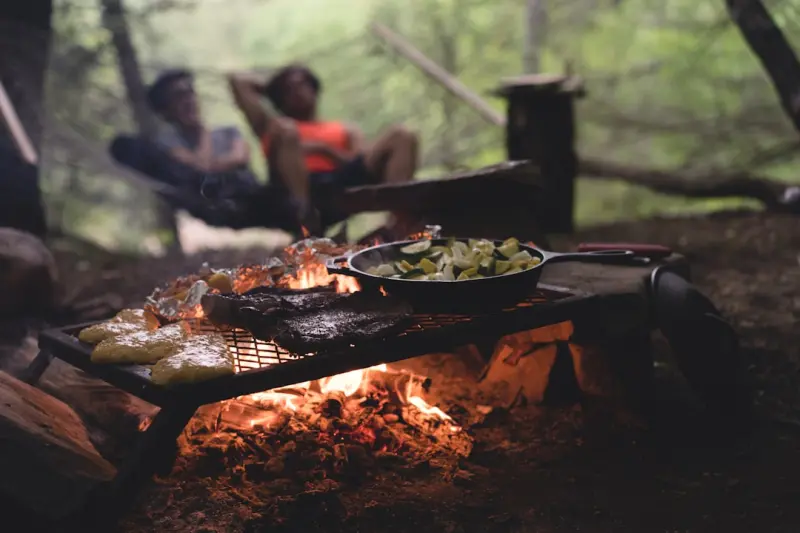
Why Culinary Camping Is the Next Outdoor Trend
When I first packed a portable stove on a weekend hike, I expected the usual “instant noodles and granola bar” routine. What I didn’t anticipate was the spark of curiosity that ignited when I realized the forest could be my kitchen, and the campfire, my stovetop. Culinary camping—bringing gourmet‑grade cooking techniques to the trail—has quietly crept from niche Instagram feeds into the mainstream of outdoor recreation. It’s not about abandoning simplicity; it’s about amplifying it with intention, flavor, and a dash of sustainable innovation.
From Survival Rations to Gourmet Creations
Historically, outdoor cooking has been framed as a matter of survival: “Can you keep warm? Can you eat something edible?” That binary mindset limited the imagination of countless hikers, backpackers, and weekend warriors. The modern outdoor enthusiast, however, is increasingly looking for experiences that satisfy both the body and the soul. Food is memory. The aroma of rosemary sautéed over a wood fire, the crisp bite of a foraged mushroom, the silky texture of a locally sourced cheese melted into a polenta risotto—these moments linger long after the trail ends.
In the same way that green SaaS solutions translate digital efficiency into carbon savings, culinary camping translates culinary efficiency into ecological stewardship. By planning meals that use every ingredient to its fullest, you reduce waste, minimize pack weight, and leave a lighter footprint on the landscape.
Gear That Bridges the Gap Between Kitchen and Campsite
The market for outdoor cooking gear has exploded beyond the basic can‑opener and propane stove. Here are three categories that have reshaped how we approach food in the wild:
- Compact Induction Burners: Lightweight, battery‑powered induction plates can bring the precision of a modern kitchen to a forest clearing. Pair them with a low‑profile cast‑iron skillet, and you have a cooking surface that heats evenly and responds instantly to temperature adjustments.
- Reusable Silicone Pouches: Think of them as the outdoor equivalent of vacuum‑sealed bags, but without the single‑use plastic. They can store pre‑marinated proteins, chopped herbs, or even a ready‑to‑cook risotto mixture that only needs water and heat.
- Solar‑Powered Dehydrators: Harness the sun’s energy to dry herbs, fruits, and even homemade jerky while you hike. The dehydrated ingredients add texture and concentrated flavor to meals without adding bulk.
These tools aren’t just gadgets; they’re enablers of a culinary philosophy that respects both the palate and the planet.
Planning the Perfect Gourmet Trail Menu
Creating a menu for a multi‑day trek is part art, part science. Below is a step‑by‑step framework that helps you design meals that are nutritionally balanced, easy to transport, and deliciously complex.
- Identify Core Proteins: Choose lightweight options like vacuum‑sealed smoked salmon, jerky, or dehydrated lentils. Pre‑season them with a blend of spices stored in tiny reusable containers.
- Incorporate Foraged Elements: Learn the basics of safe foraging in your region—think wild garlic, nettles, or pine nuts. These ingredients add freshness and a sense of place to every bite.
- Embrace Multi‑Purpose Staples: Quinoa, couscous, and instant polenta can serve as bases for a variety of dishes—from a savory pilaf to a sweet breakfast porridge.
- Design “One‑Pot” Recipes: Reduce the number of dishes you need to wash. A classic example is a mushroom‑and‑barley stew that combines protein, carbs, and vegetables in a single pot.
- Pack Smart, Pack Light: Use silicone pouches or vacuum‑sealed bags to compress ingredients, and prioritize items that serve dual purposes (e.g., dried fruit that works as a snack and a sweetener).
When you combine these steps, you end up with meals that feel like a restaurant experience—only the ambience is a star‑filled sky and a crackling fire.
Flavor Boosters: The Science of Outdoor Seasoning
Altitude, humidity, and open‑air heat affect how flavors develop. Salt, for instance, can taste sharper at higher elevations due to lower air pressure. Understanding these subtle shifts allows you to adjust seasoning on the fly:
- Acidity: A splash of lemon juice or a dash of vinegar brightens dishes and can counteract the metallic taste that sometimes emerges from cooking over a campfire.
- Umami: Dried miso powder, nutritional yeast, or powdered seaweed can infuse depth without adding moisture.
- Heat: Dried chilies, smoked paprika, or a pinch of cayenne can add a pleasant kick that lingers long after the meal.
By mastering these flavor dynamics, you transform simple ingredients into complex, memorable meals.
Safety First: Digital and Physical Precautions
While culinary exploration is rewarding, it also introduces new variables—especially when you’re using electronic gear in remote environments. A reliable power source is essential for induction burners, and a secure digital backup of your recipes can be a lifesaver if the original notes get soggy.
For those concerned about data security on the trail, building a digital fortress offers practical advice that translates well to solo outdoor adventures. Use encrypted USB sticks for recipe storage, enable two‑factor authentication on any cloud‑based cooking apps, and consider a portable VPN device to protect your internet connection when you’re off‑grid but still tapping into cellular data.
Physical safety is equally important. Always set up your cooking station on a stable, non‑flammable surface, keep a fire‑extinguishing blanket handy, and know the local regulations regarding open flames. A quick safety check before you light the stove can prevent a night‑time scramble.
Environmental Stewardship: Leaving No Trace, Even on the Plate
Gourmet cooking should never come at the expense of the environment. Here are three principles that keep your culinary adventure aligned with sustainable practices:
- Zero‑Waste Packaging: Opt for reusable silicone or stainless‑steel containers instead of single‑use plastics.
- Local Sourcing: Whenever possible, source ingredients from local farms or community-supported agriculture programs before you head out. This reduces transportation emissions and supports regional economies.
- Pack Out Everything: Even biodegradable waste can attract wildlife or disrupt ecosystems. Bring a small, sealable bag for all trash, and carry it back to a proper disposal point.
When your meals are as mindful as your footsteps, the forest rewards you with pristine air, clear water, and an uninterrupted sense of wonder.
Case Study: A Weekend Gourmet Expedition in the Sierra Nevada
Last spring, a small group of friends and I embarked on a three‑day trek through the Sierra Nevada. Our mission? To prove that a five‑star dining experience could coexist with a rugged backcountry setting. Here’s a snapshot of our itinerary and the dishes we crafted:
- Day 1 – Arrival & Arrival: After setting up camp, we whipped up a smoked salmon and herb polenta using a portable induction burner. The polenta’s creamy texture paired beautifully with the smoky fish, while fresh pine needles added an aromatic piney note.
- Day 2 – Alpine Forage: We spent the morning foraging for wild ramps, morels, and pine nuts. Lunch featured a morel risotto finished with grated alpine cheese and a drizzle of truffle oil—delivered in a compact, reusable silicone pouch.
- Day 3 – Sunset Feast: As the sun set, we prepared a marinated duck breast (pre‑marinated in a soy‑ginger blend) on a cast‑iron skillet, served alongside a quinoa salad tossed with dried cranberries and toasted pine nuts.
The entire menu was planned using a lightweight digital notebook (secured with a VPN as recommended in the digital safety guide). Our gear weighed under three pounds per person, and we left zero trace—except for the lingering aroma of our meals, which seemed to mingle with the mountain air.
Integrating Technology Without Disrupting the Experience
While the essence of culinary camping is about immersing yourself in nature, technology can enhance the experience when used judiciously. Consider these low‑impact tools:
- Meal‑Planning Apps: Use offline‑capable apps to calculate nutritional needs and generate packing lists.
- Smart Scales: Small, battery‑operated scales help you portion ingredients precisely, ensuring you carry just enough food.
- Solar Chargers: A compact solar panel can keep your induction burner, phone, and other essential electronics powered throughout the trek.
These devices serve as silent assistants, allowing you to focus on the sizzle of the skillet rather than the logistics of the menu.
Building a Community Around Culinary Camping
One of the most rewarding aspects of this movement is the sense of camaraderie it fosters. Online forums, Instagram hashtags, and local meet‑ups provide platforms for sharing recipes, gear reviews, and trail stories. By contributing your own experiences, you help expand the collective knowledge base—much like how knowledge hubs evolve to become dynamic repositories of insight.
Start small: host a “pop‑up dinner” at a nearby state park, or organize a weekend “gourmet trail” with friends. Encourage participants to bring a signature dish and share cooking tips. Over time, you’ll notice a ripple effect as more hikers begin to view food as an integral part of the outdoor adventure rather than an afterthought.
Conclusion: The Future Is Deliciously Wild
Culinary camping isn’t a fleeting fad; it’s a cultural shift that redefines how we interact with the wilderness. By marrying the precision of modern cooking techniques with the raw beauty of the great outdoors, you unlock a new dimension of adventure—one where taste, sustainability, and technology coexist harmoniously. So the next time you lace up your boots, think beyond the trail markers. Bring a skillet, a pinch of curiosity, and a dash of gourmet ambition. The forest is ready to be your kitchen, and your palate is ready for the ride.

Mei Chen is a dynamic professional who brings a unique blend of skills to Blogging Fusion. As a key contributor to the Blogging Fusion platform, she leverages her writing expertise to create engaging content that resonates with our audience.
Related Posts
The Trail‑Boardroom: Using Unplugged Hikes to Supercharge Workplace Creativity
Brad Hays shares a practical framework—The Trail‑Boardroom—to turn outdoor hikes into powerful... Read More

Forest Bathing for Remote Workers: Boosting Creativity in the Great Outdoors
A deep dive into forest bathing for remote professionals, offering practical steps, group session id... Read More
Trailblazing Trends: How Outdoor Recreation Fuels Sustainable Living
Discover how mindful hiking, eco‑friendly camping, and seasonal adventures can transform your heal... Read More
Top Posts

Modular Laptops: The Unsung Hero of Remote Work Efficiency
Modular laptops let remote teams customize performance, extend device lifespans, and lower total ownership costs while reducing e‑waste, offering a flexible, ...Read More

WordPress Unleashed: From Blog Engine to Enterprise Experience Engine
Explore how WordPress evolves beyond blogging into a flexible, headless platform that supports enterprise‑scale digital experiences, offering low‑code desig...Read More

Intent‑Based Networking: How AI‑Driven Policies Are Redefining Enterprise Connectivity
Intent‑Based Networking transforms the network from a static, manually‑configured system into an AI‑driven, policy‑first platform. By declaring business...Read More

Modular Laptops Are the Secret Weapon for Future‑Ready Professionals
Modular laptops let you swap components like SSDs and GPUs on the fly, offering performance scaling, cost savings, and reduced e‑waste—perfect for today’s...Read More
0 Comments
Post Comment
You will need to Login or Register to comment on this post!