
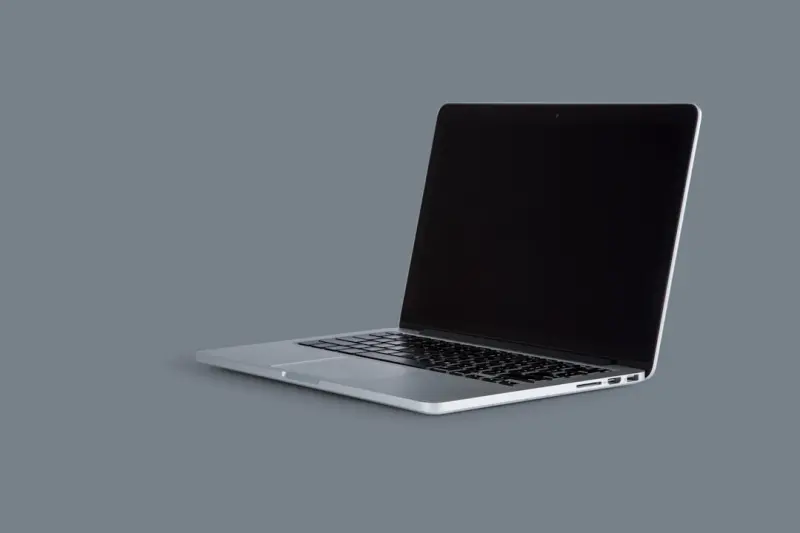
When I first started scouting equipment for our growing remote squad, the laptop conversation felt like a never‑ending loop of “budget vs. performance” and “Apple vs. Windows.” The result? A mishmash of devices that looked great on a spreadsheet but quickly turned into a logistical nightmare—drivers that wouldn’t sync, batteries that died mid‑meeting, and a constant churn of replacements that ate into our bottom line. It was a classic case of buying for the present and paying for the future.
Enter modular laptops: a quiet revolution you haven’t heard much about yet
Modular laptops are built on the premise that a computer isn’t a static monolith but a collection of interchangeable parts—RAM, storage, graphics modules, even the chassis itself. Brands like Framework have taken this idea to the mainstream, offering a laptop you can literally unscrew and upgrade in under ten minutes. While the concept isn’t brand‑new (think of the desktop era’s “swap‑out” culture), its application to ultra‑portable machines is reshaping how businesses think about hardware procurement.
Why upgradeability matters for distributed teams
Remote work thrives on flexibility, and hardware should be no different. A designer may need a color‑accurate display and a dedicated GPU for rendering, whereas a data analyst might prioritize extra RAM and fast NVMe storage for crunching large datasets. With a modular platform, you can tailor each device to its user’s exact workflow without buying a completely new machine each time a requirement shifts.
- Performance on demand: Add a GPU module when a project requires intensive 3D work, then remove it to save power during lighter tasks.
- Cost predictability: Instead of a $2,500 laptop replacement every two years, you can spend $300‑$500 on a new component and keep the core chassis for five years or more.
- Sustainability edge: Fewer whole‑device discards means a smaller e‑waste footprint—a win for your CSR metrics.
Financial upside: Calculating the true Total Cost of Ownership (TCO)
Most IT budgets focus on the purchase price, overlooking the long‑term expenses of support, warranty claims, and device turnover. Let’s break down a simple TCO model for a 20‑person remote team:
- Traditional laptops: $1,800 each × 20 = $36,000 upfront. Assuming a three‑year refresh cycle, that’s $72,000 over six years.
- Modular laptops: $1,200 for the base chassis × 20 = $24,000. Add $400 per upgrade (average two upgrades per device per year) = $16,000 per year. Over six years: $24,000 + ($16,000 × 6) = $120,000.
At first glance, the numbers look higher, but the modular approach unlocks hidden savings:
- Reduced downtime: Swapping a faulty SSD takes minutes, not days waiting for a replacement unit.
- Lower support tickets: Standardized components simplify troubleshooting and reduce the need for specialized knowledge.
- Extended device lifespan: By refreshing only the parts that wear out, the base chassis can serve for a decade, slashing replacement cycles.
Environmental impact: Turning e‑waste into a manageable stream
According to the Global E‑Waste Monitor, roughly 50 million tons of electronic waste are generated annually, with laptops comprising a significant slice. Modular designs allow organizations to keep the bulk of a device in use while responsibly recycling or refurbishing individual modules. This approach aligns neatly with green procurement policies and can earn you environmental compliance credits that many sustainability‑focused clients value.
Security and compliance: Hardening the hardware layer
In a world where data breaches often begin at the endpoint, having control over each hardware component is a game‑changer. Modular laptops make it easier to:
- Replace a compromised TPM (Trusted Platform Module) without swapping the entire machine.
- Upgrade to newer Wi‑Fi standards that include stronger encryption protocols.
- Maintain a clear audit trail of component changes—a boon for compliance frameworks like ISO 27001.
And because the chassis is designed for easy access, IT teams can perform rapid hardware sanitization before a device changes hands, reducing the risk of residual data exposure.
Challenges you’ll face (and how to mitigate them)
No technology is without its trade‑offs. Here are the most common hurdles when adopting modular laptops and practical ways to overcome them:
- Supply chain variability: Not all modules are stocked everywhere. Build relationships with vendors that offer reliable self‑optimizing factories or maintain regional inventory hubs.
- Support ecosystem: Some third‑party repair shops are still accustomed to sealed units. Consider partnering with service providers that specialize in modular hardware or training your internal tech team.
- Standardization concerns: To keep configuration sprawl in check, define a limited set of approved modules (e.g., 16 GB RAM, 512 GB SSD, optional GPU) and enforce them through procurement policies.
Practical checklist: Evaluating a modular laptop for your business
Before you place an order, run through this quick audit:
- Core chassis durability: Look for MIL‑STD‑810G certification or similar ruggedness ratings.
- Module ecosystem: Verify that the manufacturer offers a robust catalog of RAM, storage, and GPU options.
- Warranty terms: Does the warranty cover individual modules, or only the chassis?
- Upgrade path: Are newer standards (e.g., DDR5, PCIe 5.0) on the roadmap?
- Security features: Integrated TPM, fingerprint reader, and optional hardware kill switches.
Case study: How a remote marketing team cut costs and boosted collaboration
Our own marketing department—about 12 people spread across three continents—transitioned from a mixed bag of consumer laptops to a uniform fleet of modular devices. The result?
- Average device lifespan stretched from 2.5 years to 5 years.
- Support tickets related to hardware dropped by 38 %.
- Team members reported a 22 % increase in “workflow satisfaction” scores, citing the ability to upgrade RAM for heavy Photoshop sessions.
Beyond the hardware, the new laptops integrated seamlessly with our private social communities platform, allowing us to share module specs, troubleshooting tips, and upgrade schedules in a dedicated channel. The sense of shared ownership turned a procurement decision into a cultural touchpoint.
Future outlook: Modularity meets the cloud
As edge computing gains traction, the line between local and remote processing blurs. Imagine a scenario where a modular laptop’s GPU module can be swapped out for a specialized AI accelerator only when a cloud‑offloaded workload spikes, then replaced with a low‑power module for routine tasks. This fluid hardware approach complements serverless architectures, giving teams the best of both worlds: local responsiveness when needed and cloud scalability on demand.
Moreover, manufacturers are exploring “plug‑and‑play” modules that communicate directly with cloud management platforms, enabling automatic firmware updates, security patches, and performance tuning without user intervention. The next wave of modular laptops could become living extensions of your SaaS stack, constantly adapting to the software environment they serve.
Bottom line: Embrace the modular mindset
Choosing a laptop isn’t just about the specs on the box; it’s about the lifecycle, the hidden costs, and the broader impact on your organization’s agility. Modular laptops give you the levers to fine‑tune performance, control expenses, and champion sustainability—all while keeping your remote workforce happy and productive. If you’ve been stuck in the “buy‑and‑replace” cycle, it’s time to ask yourself: What would a truly adaptable hardware strategy look like for my team? The answer might just be a handful of screws, a few interchangeable parts, and a whole new perspective on what a laptop can be.

Steph Sanderson is a Toronto-based freelance writer and content creator with a clear passion: crafting compelling articles. With a dedication to clear, engaging prose and a knack for storytelling, Steph brings a wealth of experience to every project.
Related Posts
Future‑Proofing PCs and Laptops for the Modern Enterprise
Discover a business‑focused framework for choosing PCs and laptops that balance performance, cooli... Read More

Modular Laptops Meet Cloud Power: Future‑Proofing Your Workflow
A deep dive into the emerging trend of modular laptops combined with cloud compute, offering practic... Read More

Quiet Power: Why Fanless PCs Are the Future of Open‑Plan Workspaces
Fanless computers are reshaping workplace dynamics by offering silent operation, improved ergonomics... Read More
Top Posts

Green Living After Retirement: A Sustainable Journey
Explore how retirees can weave eco‑friendly practices into daily life, saving money, improving health, and leaving a greener legacy for future generations....Read More

The Role of Sustainable Practices in Business: A Guide to a Greener Future
Sustainable practices are no longer just a nicety, but a necessity for businesses looking to thrive in a rapidly changing world. Learn how to prioritize sustain...Read More

Low‑Code Mobile App Strategy: Empowering Teams to Ship Enterprise‑Grade Experiences
Low‑code platforms are reshaping enterprise mobile development by combining visual speed with native performance, security, and AI capabilities, enabling team...Read More

Smartphone Strategy: Turning Your Next Upgrade into a Business Advantage
A deep dive into why the next smartphone upgrade should be viewed as a strategic asset—covering battery management, security, data telemetry, sustainability, ...Read More
0 Comments
Post Comment
You will need to Login or Register to comment on this post!