
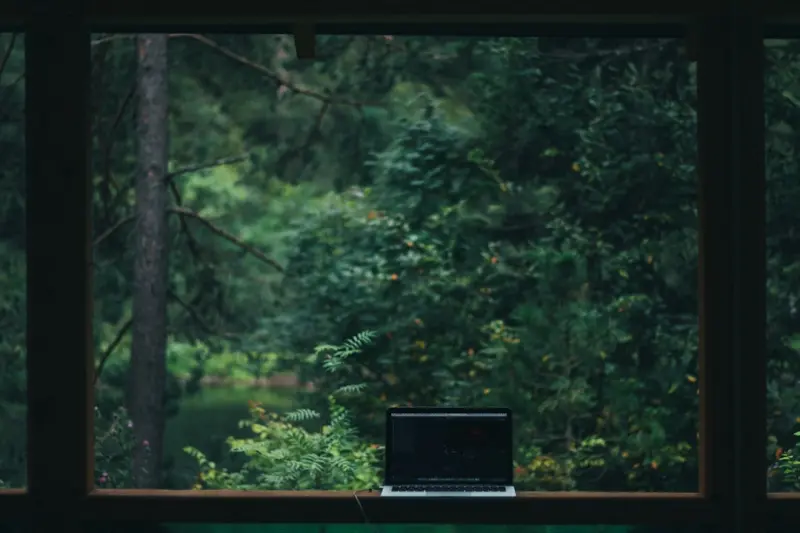
When I first swapped my cramped home office for a weather‑worn cabin in the woods, I expected a simple change of scenery. What I got was a profound shift in how I think, create, and connect—not just with nature, but with the work I pour my heart into. This isn’t a “take a weekend hike” checklist; it’s a deep dive into the practice of forest bathing for remote professionals and why it’s becoming a silent powerhouse for creativity, focus, and mental stamina.
The science behind the silence
Decades of Japanese research, starting with shinrin‑yoku (forest bathing), show that immersive time in a forest can lower cortisol, reduce blood pressure, and even boost natural killer cell activity. While the headlines often focus on health metrics, the real magic for remote workers lies in the brain’s default mode network (DMN). When you step away from a screen and into a canopy of green, the DMN flickers back to life, allowing the mind to wander, synthesize, and generate novel ideas.
For someone who spends 10+ hours a day navigating digital noise, this gentle reset is more than a perk—it’s a strategic advantage. The quiet rustle of leaves replaces the endless ping of notifications, and the rhythmic cadence of footsteps becomes a metronome for deep thought.
Designing a “forest office” without breaking the bank
Not everyone can afford a full‑time cabin, but you don’t need a permanent forest to reap the benefits. Here’s how to create a portable “forest office” that you can drop into any natural setting:
- Gear up smartly. A lightweight, weather‑proof notebook, a solar‑powered charger, and a pair of noise‑isolating earplugs are all you need. Skip the heavy tech that distracts; focus on tools that amplify presence.
- Scout micro‑forests. Urban green belts, city parks with mature trees, and even large backyard groves can serve as mini‑sanctuaries. Look for places where the canopy filters sunlight into dappled patterns—this visual texture reduces eye strain.
- Map a “walk‑in‑work” loop. Design a 20‑minute loop that takes you through varied terrain (soft moss, a shallow creek, a ridge). Use the loop as a moving meditation; each lap can be a brainstorming session.
- Integrate tactile breaks. Touch bark, feel the texture of pine needles, or press a leaf between pages. Physical interaction with nature triggers proprioceptive feedback that anchors you in the moment.
If you’re looking for inspiration on how to blend natural elements into your daily routine, take a cue from the way urban dwellers are turning tiny green spaces into thriving ecosystems. The tiny terraces into thriving gardens movement shows that even the smallest plot can become a source of nourishment and calm. Apply that mindset to your portable forest office: a small patch of moss under a tree can be your “desk” for sketching ideas.
Timing the immersion: when to go deep
There’s a myth that you need hours of uninterrupted immersion to feel any impact. In reality, the brain responds to the quality of exposure more than the quantity. Here’s a simple schedule to experiment with:
- Morning reset (15‑20 minutes). Before you open any inbox, step outside for a brisk walk. Focus on your breath syncing with the wind. This primes your DMN for creative overflow.
- Mid‑day power‑pause (10 minutes). After a deep work sprint, find a tree, sit, and simply observe. No devices, no note‑taking—just presence.
- Evening wind‑down (20‑30 minutes). As the sun dips, walk a slower loop. The decreasing light signals melatonin production, helping you transition to a restful night.
Notice the pattern? Each session is short, intentional, and timed to align with natural circadian rhythms. You’ll find that ideas that seemed elusive on a screen start surfacing effortlessly after a brief forest dip.
From solo strolls to collaborative canopy sessions
While solo immersion is powerful, there’s an untapped opportunity in group forest bathing for remote teams. Imagine a quarterly “off‑grid sprint” where a small cohort gathers at a nearby nature reserve, sets up minimal tech, and tackles a project milestone surrounded by trees.
This isn’t a team‑building retreat with forced activities; it’s a structured immersion where the environment itself becomes a facilitator. The group can:
- Hold “standing brainstorms” on a flat rock, using natural sounds as a creative soundtrack.
- Rotate “focus stations” (e.g., a mossy log for ideation, a stream for reflective thinking).
- Document insights on shared field notebooks, later digitizing them for the wider team.
Such sessions have a twofold benefit: they deepen interpersonal bonds through shared vulnerability, and they embed a culture of nature‑first thinking that persists when members return to their individual desks.
Overcoming common obstacles
Many remote workers balk at the idea of stepping away from the glow of a monitor. Here are three frequent roadblocks—and how to dissolve them.
- “I’ll lose momentum.” The fear of breaking focus is real, but research shows that short, nature‑based breaks actually increase sustained attention. Treat each forest interval as a micro‑sprint, not a distraction.
- “I don’t have access to a forest.” As mentioned, micro‑forests exist in urban settings. Look for community gardens, university arboretums, or even large corporate campuses with mature trees. The key is immersion in a multisensory natural environment.
- “Weather will ruin my plan.” Embrace flexibility. Light rain can amplify the sensory experience—listen to the patter on leaves, feel the cool mist. If conditions are truly prohibitive, bring the forest inside: a large potted tree, natural wood décor, and a soundscape of forest ambience can simulate the effect.
Measuring the impact—without turning it into a data‑driven wearable nightmare
Unlike the data‑driven wearable strategy that many companies push, you don’t need a dashboard to gauge success. Simple reflective practices work wonders:
- Pre‑ and post‑walk journal. Write a single sentence about your mental state before heading out and after you return. Over weeks, patterns emerge.
- Idea capture count. Keep a tally of new concepts, solutions, or creative sparks that arise during forest intervals. You’ll often see a spike compared to days spent solely at a desk.
- Energy level rating. On a scale of 1‑10, note how energized you feel after each session. The cumulative average will reveal the true return on nature investment.
These low‑tech metrics keep the focus on experience, not on numbers.
Integrating tech—just enough, never too much
While the goal is to minimize digital interference, a touch of technology can amplify the experience without hijacking it. A lightweight GPS tracker can map your loop for future reference, and a simple audio recorder can capture ambient sounds for later inspiration. The mantra is “tech as a tool, not a tether.”
Even the concept of ambient computing can be reimagined in the forest: sensors that blend into the environment to monitor air quality or temperature, feeding subtle, real‑time data into a mindfulness app that nudges you to breathe deeper when humidity spikes. The key is subtlety—let nature lead, with technology as a quiet sidekick.
Building a community of forest‑first remote workers
One of the most rewarding outcomes of embracing forest bathing is the emergence of a niche community. Platforms like Slack or Discord now host channels where members share trail maps, favorite sound recordings, and even “forest‑first” productivity hacks.
These groups often organize monthly “nature challenges”—e.g., a 30‑day pledge to log at least one forest walk per week. Participants report higher satisfaction scores and a stronger sense of belonging, reinforcing the idea that shared natural experiences can bridge the isolation that remote work sometimes amplifies.
Future trends: the convergence of sustainability and remote work
As corporations double down on ESG (Environmental, Social, Governance) goals, the practice of forest bathing aligns seamlessly with sustainability narratives. Companies can offer nature‑access stipends, reimburse travel to designated green spaces, or partner with conservation groups to protect the very ecosystems that fuel employee creativity.
Imagine a future where remote‑first organizations certify their workspaces—not just the office, but the “outside office”—as low‑impact, nature‑enhanced zones. Employees could earn “green credits” for logging forest hours, which translate into carbon‑offset contributions. This synergy turns personal well‑being into a collective environmental impact, creating a virtuous loop of health, productivity, and planet stewardship.
Takeaway checklist
Ready to weave forest bathing into your remote work routine? Keep this checklist handy:
- Identify a nearby natural area with a sturdy canopy.
- Pack a lightweight notebook, pen, and optional solar charger.
- Set three daily nature intervals (morning, midday, evening).
- Commit to a brief reflective journal before and after each session.
- Explore group “off‑grid sprints” quarterly.
- Join or start an online community of forest‑first remote workers.
- Consider minimal tech tools that enhance—not dominate—the experience.
When you make the forest your co‑author, you’ll discover that the most compelling stories—whether they’re product roadmaps or creative breakthroughs—often start with the whisper of leaves.

Steph Sanderson is a Toronto-based freelance writer and content creator with a clear passion: crafting compelling articles. With a dedication to clear, engaging prose and a knack for storytelling, Steph brings a wealth of experience to every project.
Related Posts
Silent Hiking: Harnessing Minimalist Tech for Deeper Nature Connections
Silent hiking blends purpose‑first gear, low‑energy devices, and AI‑informed planning to deepe... Read More

Microadventures: Turning Everyday Outdoor Moments into Epic Stories
Explore the power of microadventures—short, local outings that spark joy, build community, and pro... Read More

Trailblazing the Future: Sustainable Adventures in the Great Outdoors
Discover the evolving world of sustainable outdoor recreation, from eco‑friendly gear and mindful ... Read More
Top Posts

Playful Power Moves: How Modern Toys are Re‑energizing the Workplace
Modern toys are more than desk ornaments—they’re strategic tools that enhance creativity, teamwork, and employee wellbeing. This post explores why and how t...Read More

Modular Smartphones: The DIY Future of Mobile Tech
Modular smartphones let users upgrade components like cameras, batteries, and AI accelerators, reducing e‑waste and enhancing privacy while creating a vibrant...Read More

The Alarming Rise of Scams in the Sustainable Living Space
The sustainable living space has seen a surge in scams, targeting unsuspecting individuals who want to live a more eco-friendly lifestyle. Learn how to avoid sc...Read More

From Blog to Knowledge Hub: 8 Tactics to Turn Content into Community
Learn how to shift from posting for clicks to building a living knowledge hub with evergreen content, interactive micro‑learning, guest expert spots, and a su...Read More
0 Comments
Post Comment
You will need to Login or Register to comment on this post!