
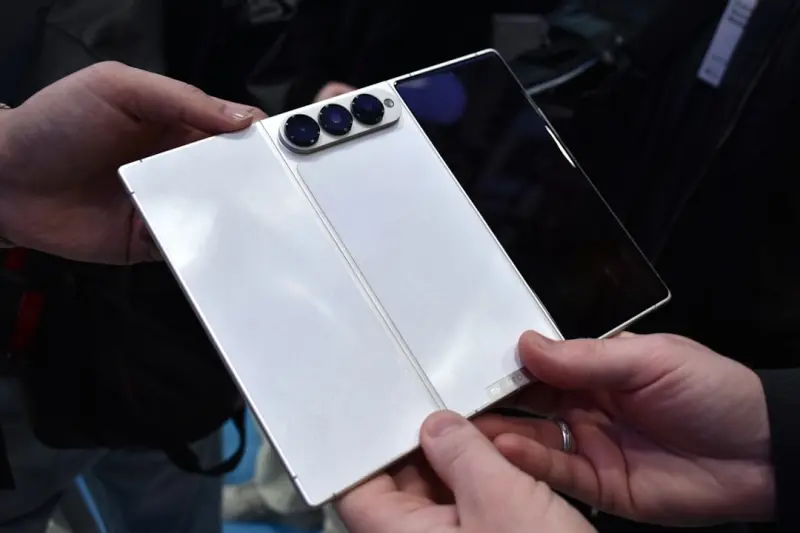
Why Modular Smartphones Are the Next Big Disruption
When I first held a smartphone that could be taken apart like a Lego set, I felt a familiar thrill—the same one I get when I open a fresh code repository and see clean, reusable components waiting to be assembled. The mobile world has spent the last decade chasing thinner glass, larger screens, and ever‑faster chips, but the real innovation frontier is shifting from monolithic design to true modularity. Imagine a device you can upgrade, repair, or repurpose without tossing the whole thing into a landfill. That’s the promise of modular smartphones, and it’s reshaping how we think about ownership, privacy, and sustainability in the digital age.
The Problem With “Everything‑In‑One” Phones
Most flagship phones today are marvels of engineering, yet they are also single‑use artifacts. A cracked screen, a dead battery, or a camera that no longer meets your needs—and you’re faced with a costly repair bill or, more often, the decision to replace the entire unit. This “throw‑away” culture fuels electronic waste, which the United Nations estimates will reach 74 million metric tons annually within the next few years. It also locks consumers into a cycle of perpetual upgrades, feeding a market that thrives on novelty rather than longevity.
Beyond the environmental toll, there’s a hidden cost to data security. When you replace a phone, you hand over a device that still holds a trove of personal data—photos, messages, biometric templates—to a recycler or a third‑party repair shop. Modular designs can mitigate this risk by allowing users to swap out components without exposing the core storage module, effectively creating a physical data vault that travels with you.
What Is a Modular Smartphone, Exactly?
A modular smartphone is built from interchangeable blocks—camera modules, battery packs, processor boards, and even sensor suites—that can be unscrewed, replaced, or upgraded by the user. Think of each block as a plug‑and‑play component, standardized with a common connector and communication protocol. The chassis acts as a “frame” that holds everything together, much like a desktop PC chassis does for its parts.
- Processor Module: Swap to a newer chipset for better AI performance without buying a new phone.
- Camera Stack: Upgrade from a 12 MP sensor to a 64 MP sensor, or add a dedicated macro lens.
- Battery Pack: Replace a worn‑out cell with a higher‑capacity version or a fast‑charge module.
- Sensor Pods: Add health monitors, environmental sensors, or even a mini‑projector.
This approach mirrors the desktop ecosystem, where users have long enjoyed the freedom to customize their rigs. It also aligns with the growing integrated AI dashboards trend: as AI workloads become more demanding, a modular phone can evolve its compute capabilities without a full hardware overhaul.
Why Modularity Matters for Privacy‑First Users
Privacy isn’t just a software problem; it’s a hardware problem too. When a phone’s storage is fused to the motherboard, any compromise to the device can expose your data. A modular architecture can isolate the storage module—often a secure enclave with its own encryption keys—from other components. When you upgrade your camera or battery, the storage stays untouched, and you retain full control over your personal vault.
Moreover, modular phones enable “privacy kits” that add hardware‑level firewalls, hardware‑based VPN modules, or even dedicated secure‑element chips that handle cryptographic operations offline. Users can physically attach or detach these layers based on their current threat model, something impossible with monolithic devices.
Economic Incentives: From Upfront Costs to Long‑Term Savings
At first glance, modular phones may appear pricier than a standard slab. However, the economics shift when you consider the total cost of ownership. Instead of paying $1,200 for a flagship and then another $600 for a replacement a year later, a modular approach might cost $800 upfront plus $150 per upgrade. Over three years, the modular path could save you up to $400 while also preserving the device’s resale value.
There’s also a burgeoning aftermarket ecosystem. Independent manufacturers are already producing “snap‑in” modules for niche use cases—thermal cameras for field engineers, low‑light sensors for night‑photographers, and even ruggedized shells for construction sites. This marketplace mirrors the digital twins model, where physical components have virtual counterparts that can be simulated, tested, and optimized before they ever touch the hardware.
Design Challenges and How the Industry Is Tackling Them
Creating a truly modular phone isn’t just about slapping together interchangeable parts. Engineers face several hurdles:
- Signal Integrity: High‑speed data buses must maintain performance across detachable connectors. Solutions include gold‑plated contacts and proprietary locking mechanisms.
- Thermal Management: Different modules generate varying heat profiles. Advanced heat‑pipe designs and modular heat sinks keep the system cool without adding bulk.
- Software Compatibility: The OS must dynamically recognize and configure new hardware. Modern Android and Linux kernels support hot‑plugging, but manufacturers need to provide robust abstraction layers.
- Structural Integrity: The chassis must remain rigid despite being a collection of removable pieces. Engineers employ aerospace‑grade aluminum alloys and reinforced polymer frames.
Leading innovators are already solving these problems. Companies like Framework have demonstrated modular laptops that seamlessly handle component swaps, and their design philosophies are spilling over into the smartphone arena. Meanwhile, open‑source communities are building custom ROMs that auto‑detect module changes, ensuring a smooth user experience.
Real‑World Use Cases That Highlight the Power of Modularity
Field Technicians: A telecom field tech can attach a spectrum analyzer module to diagnose signal issues on the fly, then replace it with a rugged battery for extended outages.
Content Creators: Videographers can snap in a high‑frame‑rate camera module for slow‑motion shoots without carrying a separate camcorder.
Health Enthusiasts: A user can add a medical‑grade ECG sensor for heart monitoring and later swap it for a glucose monitor, turning the phone into a personal health hub.
Travelers: A modular phone can be equipped with a satellite communication module for off‑grid connectivity, then swapped back to a standard cellular module when back in the city.
The Environmental Upside: Reducing E‑Waste at Scale
By extending the functional lifespan of each device, modular smartphones can dramatically cut the number of phones that end up in landfills. A study by the Global E‑Waste Monitor suggests that extending the average phone lifespan by just one year could reduce global e‑waste by 12 %. If modular designs become mainstream, the cumulative effect could be a paradigm shift in how we manage electronic consumption.
In addition, modularity encourages a circular economy. When a component reaches end‑of‑life, it can be refurbished, repurposed, or recycled independently, rather than discarding the entire phone. This mirrors the principles found in “Zero‑Waste” initiatives, albeit applied to high‑tech devices.
Challenges to Adoption: Consumer Mindset and Market Dynamics
Even with clear benefits, modular smartphones face an uphill battle against entrenched consumer expectations. Most users prioritize sleekness and simplicity; the idea of unscrewing a device can seem intimidating. To overcome this, manufacturers must invest in user‑friendly design—tool‑less snap‑in mechanisms, clear visual cues, and robust warranties that cover module swaps.
There’s also the question of standardization. Without a common interface, the market could fragment into proprietary ecosystems, defeating the purpose of openness. Industry consortia are beginning to draft standards for module connectors, power delivery, and communication protocols, much like the USB‑C standard unified charging and data transfer across devices.
What the Future Holds: Convergence of Modular Phones and Edge AI
One of the most exciting prospects is the marriage of modular hardware with edge AI capabilities. As AI models become more compact, a dedicated AI accelerator module could be added to a phone, enabling on‑device inference for tasks like real‑time language translation, advanced photography, or personal assistants that never send data to the cloud.
These AI modules could be upgraded as algorithms evolve, ensuring that a phone purchased today remains AI‑ready for years to come. This decouples the pace of software innovation from hardware refresh cycles—a key advantage in an industry where AI breakthroughs happen faster than silicon can be mass‑produced.
How to Get Involved: Building a Modular Ecosystem
If you’re a developer, designer, or hardware hobbyist, there are several ways to contribute:
- Open‑Source Firmware: Write drivers that detect and configure new modules on the fly.
- Design New Modules: Use CAD tools to prototype camera lenses, sensor pods, or battery packs that adhere to emerging standards.
- Community Testing: Participate in beta programs that stress‑test modular connections under real‑world conditions.
- Advocacy: Push for regulatory frameworks that encourage right‑to‑repair and standardization.
By joining the conversation now, you can help shape a mobile landscape that values durability, privacy, and performance in equal measure.
Conclusion: A New Philosophy for Mobile Computing
The smartphone has become an extension of ourselves—our calendars, our wallets, our identities. Yet we have treated it as a disposable tool for far too long. Modular smartphones invite us to rethink that relationship, turning our phones into lifelong companions that evolve with us. They align economic incentives with environmental stewardship, empower users with hardware‑level privacy controls, and open the door to a thriving aftermarket of specialized modules.
We stand at the cusp of a paradigm shift. As developers, designers, and consumers, our choices today will determine whether the next decade of mobile tech is defined by endless upgrades or sustainable, adaptable devices. The tools are already emerging; the question is whether we’ll assemble them.

David Moore is a freelance writer specializing in two dynamic and ever-evolving fields: gambling and the tech industry. With a keen eye for detail and a knack for unraveling complex topics, David delivers insightful and engaging content that keeps readers informed and entertained.
Related Posts

Why Your Next Smartphone Choice Matters More Than Ever
Explore why your next smartphone purchase is crucial for the planet, featuring sustainable design, e... Read More

Smartphone Evolution: Wellness, Sustainability, IoT
Smartphones are transforming from mere communication tools into wellness coaches, sustainable compan... Read More

Unlocking the Hidden Power of Your Smartphone: A Fresh Take on AI, Modularity, and Cloud Productivity
Explore a new perspective on smartphones, blending AI-driven workflows, modular accessories, and clo... Read More
Top Posts

How AI is Redefining the Wedding Planning Journey
Artificial intelligence is changing how couples plan weddings, offering smart invitations, vendor matching, budget optimization, and real‑time communication, ...Read More

The Art of Meaningful Corporate Gifting in a Remote World
A fresh take on corporate gifting reveals how personalized, eco‑friendly, and experience‑driven presents can humanize SaaS brands, foster deeper client bond...Read More

Why Sensory Play Beats Screen Time for Modern Parents
Learn why sensory play is a powerful alternative to screen time, how to set up easy sensory stations, and the lasting benefits for your toddler’s development ...Read More

Edge Computing and Distributed AI: The Next Tech Frontier
Discover the rise of edge computing and distributed AI, how they reduce latency, enhance security, and enable real‑time innovation across industries....Read More
0 Comments
Post Comment
You will need to Login or Register to comment on this post!