
Finding the Forest in a Balcony Box
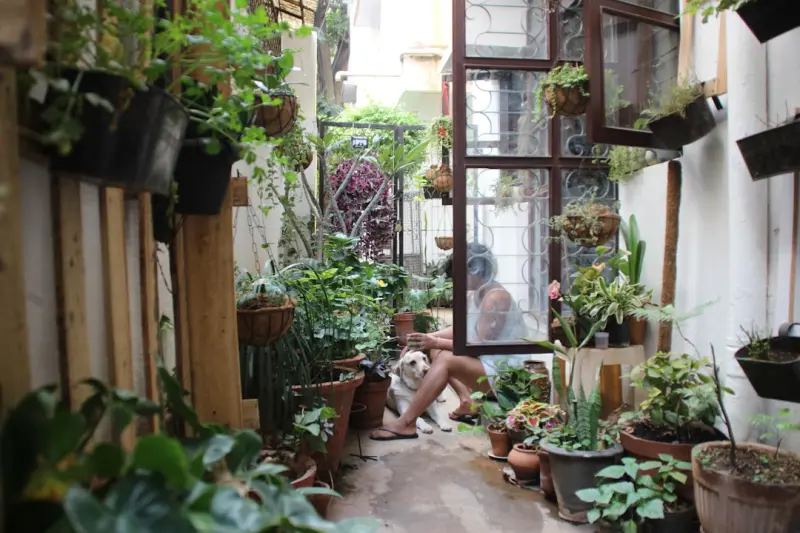
When the concrete skyline feels endless, the idea of a sprawling garden can feel like a distant fantasy, but the truth is that a thriving mini‑forest can sprout on a modest balcony railing. I started by swapping my ornamental succulents for hardy native shrubs, arranging them in a staggered pattern that mimics forest layers—ground cover, understory, and canopy—all within a square‑meter footprint. The result? A micro‑ecosystem that not only softens the city’s harsh glare but also draws pollinators, filters dust, and provides a quiet sanctuary that feels far larger than its size suggests.
Choosing the Right Plants for an Urban Jungle
The secret to success lies in selecting species that tolerate wind, limited soil depth, and occasional neglect, while still delivering ecological value. I gravitated toward dwarf varieties of serviceberry, Japanese maple, and low‑maintenance ferns, each offering seasonal interest and food for birds or beneficial insects. Adding a few nitrogen‑fixing legumes like clover creates a self‑sustaining soil loop, reducing the need for synthetic fertilizers and echoing the principles of regenerative gardening.
Soil, Compost, and the Power of Closed Loops
Rather than buying bagged potting mixes, I built my own blend using kitchen scraps, shredded newspaper, and a modest worm bin, turning household waste into dark, crumbly compost that feeds the roots. This closed‑loop approach cuts down on landfill contributions and eliminates the carbon footprint associated with transporting commercial soils. A layer of biochar at the base of each container further sequesters carbon while improving moisture retention—an essential feature for balconies that experience rapid drying under the sun.
Water Wisdom: Harvesting and Recycling
Water scarcity is a growing concern, and my balcony forest forces me to confront it creatively. I installed a rain‑catching barrel beneath the eaves, routing the collected droplets through a drip‑irrigation system that delivers moisture directly to the root zones, minimizing evaporation. When rain is scarce, I repurpose gray water from a nearby sink, filtering it through a simple sand‑charcoal setup before it reaches the plants, turning an everyday waste stream into a resource.
Designing for Biodiversity and Human Health
Every plant I add is chosen not just for its aesthetic appeal but for the web of life it supports. The tiny blossoms of elderberry attract native bees, while the berries themselves become a seasonal snack for songbirds. The sight and scent of green foliage have measurable benefits for mental health; studies show that even brief exposure to plants can lower cortisol levels, and my balcony has become my go‑to meditation spot after a hectic workday.
Community Connections Through Shared Green Spaces
One unexpected perk of my balcony forest is the conversation it sparks with neighbors. I’ve begun a community time banking exchange where I trade a weekend of plant‑care assistance for a neighbor’s cooking lesson, weaving sustainability into the social fabric of the block. These reciprocal relationships echo the broader ethos of ecological stewardship: caring for the earth is inherently a communal act.
Scaling the Idea: From One Balcony to Many
If a single balcony can host a thriving mini‑forest, imagine the impact of dozens of apartments adopting the same model. Multiplying these green pockets could significantly improve air quality, reduce the urban heat island effect, and create a network of habitats for pollinators across the cityscape. Municipalities are beginning to recognize this potential, offering incentives for residents who integrate green infrastructure into their private spaces, a policy shift that aligns with the growing demand for climate‑positive living.
Practical Tips for the First Year
Starting small is key—pick three hardy species, monitor their water needs, and gradually expand as you gain confidence. Keep a simple journal noting planting dates, growth progress, and any pest observations; this data becomes a valuable guide for future seasons. Remember to rotate containers periodically to ensure even sunlight exposure, and don’t shy away from pruning; shaping the canopy early on encourages a healthier, denser growth pattern.
Future‑Proofing Your Balcony Forest
Looking ahead, I’m experimenting with renewable energy integrations, such as solar‑powered fans that improve airflow during scorching afternoons, and tiny wind turbines that charge a low‑voltage LED system for night‑time ambience. By marrying technology with low‑impact horticulture, the balcony forest evolves from a static display into a dynamic, self‑sustaining hub that reflects the possibilities of urban resilience. In the end, the tiny forest on my railing proves that ecological ambition doesn’t need acres—it needs imagination, intention, and a willingness to let nature reclaim even the smallest of spaces.

Lauren Miller is a true outdoors enthusiast who has found her passion in the trades. When she's not working hard on the job, you can find her writing, camping, fishing, and exploring all that nature has to offer. A dedicated partner to her wife Beth, Lauren loves nothing more than spending quality time together and experiencing the great outdoors side by side.
Related Posts

Turning the Cloud Green: Actionable Strategies for SaaS Teams to Slash Emissions While Scaling
The article outlines six actionable levers—right‑sizing, serverless, caching, off‑peak jobs, g... Read More

Turning Cloud Consumption into a Climate Ally
A deep dive into turning your SaaS infrastructure into a climate ally, covering renewable cloud choi... Read More
Living Green in Small Spaces: Practical Hacks for a Sustainable Urban Lifestyle
Explore simple, powerful ways to make urban life greener: compact composting, zero‑waste wardrobes... Read More
Top Posts

Enzyme Power: Rethinking Office Cleaning for a Greener Bottom Line
Enzyme cleaners break down grime at a molecular level, offering a biodegradable, cost‑effective alternative to harsh chemicals and transforming office cleanin...Read More

The Hidden Power of Your Daily Rhythm Over Gym Hours
A deep dive into how respecting your circadian rhythm, timing meals, and incorporating micro‑pauses can transform health, productivity, and sleep—no fancy e...Read More

Wander with Purpose: How Sustainable Travel Transforms the Soul
Discover how to turn wanderlust into a sustainable adventure, from eco‑friendly transport to mindful souvenirs, and learn to travel responsibly while enrichin...Read More

The Gift Economy Reimagined: Purpose‑Driven Strategies for B2B Success
A fresh look at corporate gifting shows how data‑driven personalization, sustainable choices, and experience‑centric presents can turn simple gestures into ...Read More
0 Comments
Post Comment
You will need to Login or Register to comment on this post!