
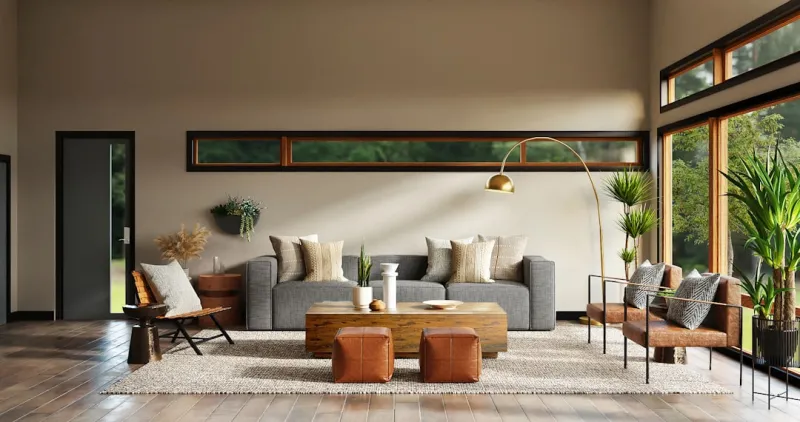
Why Sustainability Is the New Palette in Interior Design
When I first walked into a showroom that felt like a forest, I knew the future of interior design was shifting. The colors, textures, and even the lighting are no longer just about aesthetics—they’re about responsibility. Eco‑conscious choices have become the baseline, not the exception, and clients now ask for spaces that breathe, recycle, and inspire. This isn’t a fleeting fad; it’s a cultural reset that mirrors the larger business world, where sustainable business strategies are the competitive edge. The challenge for designers is to translate that macro mindset into micro‑details: a reclaimed wood coffee table, a low‑VOC paint, a plant wall that filters air. By treating sustainability as a design language, we give rooms a story that resonates with the values of today’s homeowners, turning ordinary living areas into vibrant, purposeful habitats.
Materials Matter: Choosing Eco‑Friendly Elements
The foundation of any interior space is its material palette, and the options have never been greener. From bamboo flooring that renews itself in just three to five years, to recycled glass tiles that sparkle like sea‑foam, the market is flooded with responsibly sourced alternatives. I love pairing a reclaimed wood accent wall with organic linen upholstery; the contrast feels both grounded and airy. Below is a quick reference list that helps streamline the selection process:
- Bamboo – rapid growth, strong durability, low carbon footprint.
- Recycled metal – perfect for sleek lighting fixtures and hardware.
- Hemp fabric – breathable, antimicrobial, and wonderfully tactile.
- Low‑VOC paints – protect indoor air quality while delivering rich hues.
Each material tells a narrative of renewal, and when we layer them thoughtfully, the result is a space that feels timeless yet unmistakably modern.
Biophilic Design: Bringing Nature Inside
There’s a reason we instinctively gravitate toward windows that frame a tree line or a balcony that greets us with sunrise. Biophilic design taps into that innate desire for connection with the natural world. I often start a project by mapping out where greenery can thrive—whether it’s a hanging fern in the hallway or a moss wall that doubles as acoustic insulation. The psychological benefits are measurable: reduced stress, enhanced creativity, and even better sleep patterns. By integrating living elements, we transform static rooms into dynamic ecosystems that evolve with the seasons, offering occupants a daily reminder of the world beyond four walls.
Smart Spaces: When Technology Meets Green
Technology and sustainability are no longer opposing forces; they’re complementary tools that elevate interior design. Imagine a thermostat that learns your routine and adjusts heating only when needed, or smart blinds that close at sunset to conserve energy. These subtle interventions can cut a household’s carbon footprint dramatically. For those curious about the cutting edge, explore how green, smart security systems protect homes while minimizing energy draw. The key is to embed technology so seamlessly that it feels like an extension of the architecture rather than an afterthought, ensuring that convenience never compromises the green ethos.
Personal Storytelling: Sustainable Narratives in Design
Every home has a story, and the most compelling ones are rooted in authenticity. I encourage clients to bring heirlooms, travel souvenirs, or even reclaimed objects into their design narrative. When these pieces are paired with sustainable finishes, the result is a room that feels both personal and progressive. For inspiration on weaving narratives, consider how sustainable storytelling is reshaping brand identities—apply those principles to interiors, and you’ll create spaces that speak to the heart while honoring the planet.
Budget‑Friendly Green Hacks for Every Homeowner
Going green doesn’t have to break the bank; it often starts with small, intentional swaps. Repaint an accent wall with a low‑VOC shade instead of re‑tiling an entire room, or swap out disposable air fresheners for a DIY citrus diffuser made from reclaimed glass jars. Repurposing furniture—such as turning an old dresser into a stylish bathroom vanity—adds character without the cost of new production. Even simple habits, like regularly rotating cushions to even out wear, extend the life of textiles. By focusing on longevity and thoughtful reuse, homeowners can achieve a high‑impact, low‑cost transformation that feels luxurious and responsible.
Future‑Forward Trends: What’s Next on the Horizon
The interior design landscape is constantly evolving, and a few emerging trends are already shaping tomorrow’s homes. Circular design, where every element is designed for disassembly and reuse, is gaining traction among forward‑thinking architects. Additionally, the rise of “smart plants” equipped with sensors that monitor soil moisture and light levels promises to make biophilic design more accessible to busy lives. As younger generations take the helm, we see a surge in eco‑centric aesthetics driven by the energy of kids and teens. Their fresh perspective fuels innovations that blend sustainability with bold style—read more about the green revolution driven by kids and teens and how it’s redefining interior trends.
Putting It All Together: Your Green Design Playbook
Creating a sustainable interior is a holistic process that balances material choice, technology, personal narrative, and budget. Start with a clear vision—what values do you want the space to embody? Then select a few key eco‑materials, incorporate biophilic elements, and layer in smart systems that reduce waste. Remember, the most memorable rooms are those that tell a story, reflect the occupants’ lifestyle, and leave a lighter footprint on the planet. By embracing these principles, you’ll not only design a beautiful home but also contribute to a healthier, greener future for all.

Lauren Miller is a true outdoors enthusiast who has found her passion in the trades. When she's not working hard on the job, you can find her writing, camping, fishing, and exploring all that nature has to offer. A dedicated partner to her wife Beth, Lauren loves nothing more than spending quality time together and experiencing the great outdoors side by side.
Related Posts
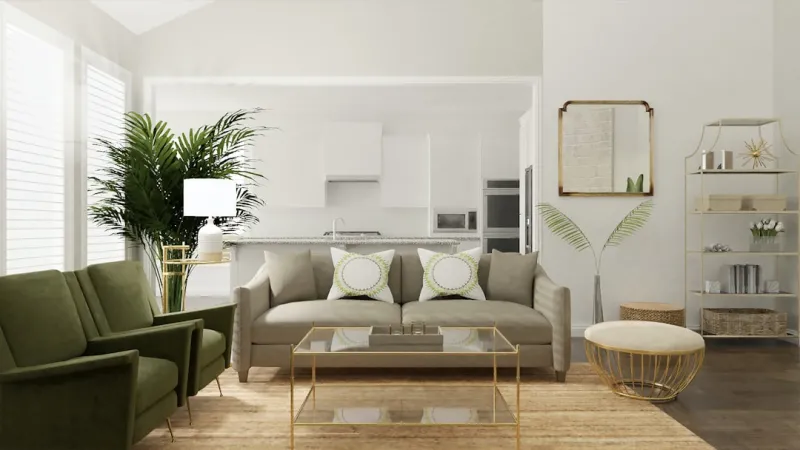
Sustainable Interior Design: How to Create a Healthy and Eco-Friendly Home
Learn how to create a healthy and eco-friendly home with sustainable interior design. Get tips on si... Read More
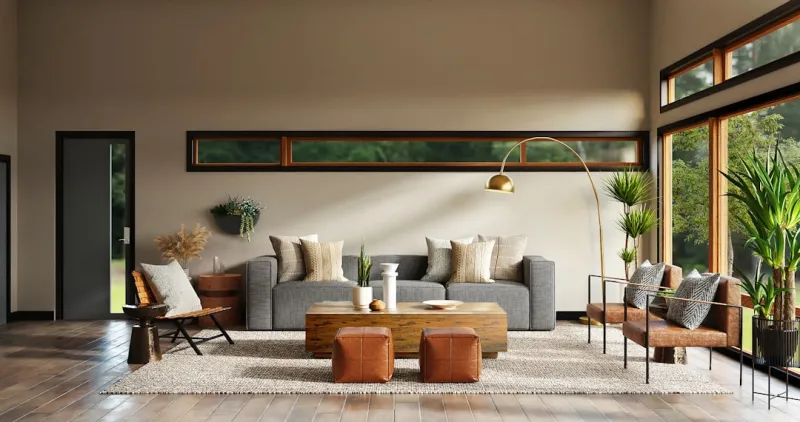
Sustainable Interior Design: How to Create a Greener Home
Learn how to create a greener home through sustainable interior design practices, from choosing eco-... Read More
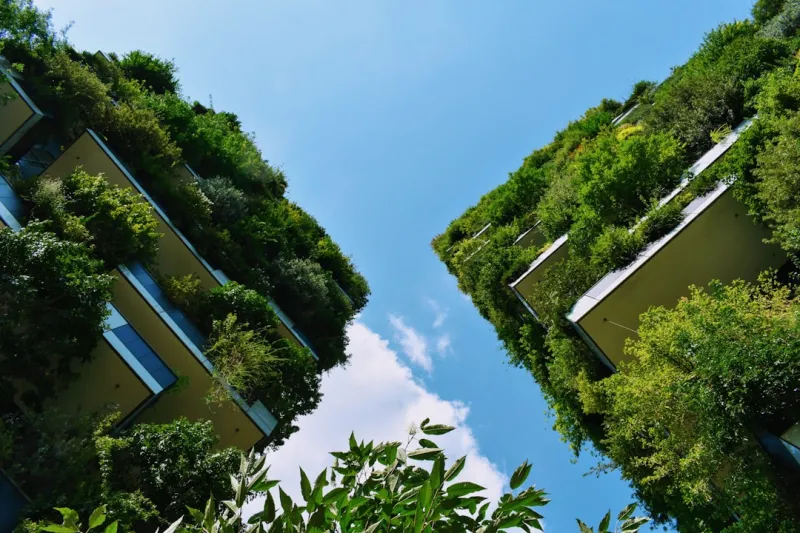
Designing a Sustainable Home: Fresh Trends that Blend Style and Eco‑Consciousness
Discover how to blend chic interiors with eco‑friendly choices—from reclaimed wood and smart lig... Read More
Top Posts

The Intersection of Business and Sustainability: A New Era for Companies
The intersection of business and sustainability is a rapidly evolving space that presents both challenges and opportunities for companies. Learn how businesses ...Read More

Green SEO: How Sustainability is Shaping Search Strategies in 2024
Margaret Thomson explores the rise of green SEO, revealing how eco‑conscious practices, sustainable content, and ethical linking can boost rankings while supp...Read More
The Evolution of Brand Authenticity: Navigating the Complex Landscape of Consumer Trust
The evolution of brand authenticity has emerged as a critical factor in building and maintaining a loyal customer base. Learn how to prioritize transparency, su...Read More

Nurturing a Greener Tomorrow: The Intersection of Sustainability and Health
The connection between our environment and health is undeniable. Learn how sustainable living, food systems, gardening, and community initiatives can promote a ...Read More
0 Comments
Post Comment
You will need to Login or Register to comment on this post!