
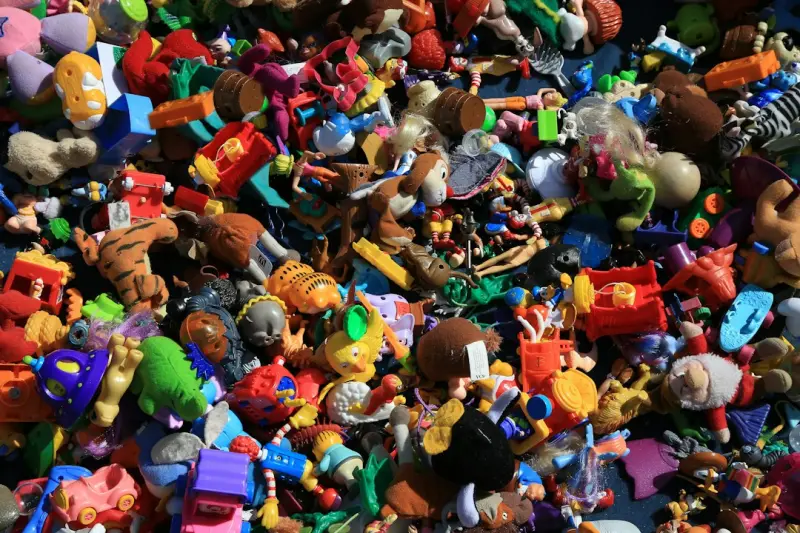
Desk‑Side Distractions: How Curated Toy Collections Boost Executive Focus
When I first walked into a conference room and spotted a row of sleek kinetic sand sculptures, a set of magnetic building blocks, and a miniature wooden train set, my instinct was to chuckle. “What’s this, a children’s corner?” I thought. Yet the senior leadership team that gathered around those artifacts was laser‑focused, energized, and surprisingly collaborative. The toys weren’t a gimmick; they were a catalyst.
In the high‑stakes world of B2B SaaS, where meetings can stretch for hours and inboxes never truly empty, the pressure to stay sharp is relentless. Traditional productivity hacks—time‑blocking, Pomodoro timers, even mindfulness apps—have their place, but they often feel like band‑aid solutions. What if the secret to sustained concentration lives not in a new software stack, but on a desk drawer?
The Science Behind “Playful Pauses”
Neuroscientists have long documented the “default mode network”—the brain’s idle mode that springs to life when we let our minds wander. A brief, intentional diversion can reset this network, allowing the prefrontal cortex to re‑engage with sharper clarity. The key is structured diversion: something tactile, visually stimulating, and low‑stakes.
- Tactile Feedback: Manipulating objects triggers proprioceptive pathways, grounding you in the present moment.
- Visual Rhythm: Repetitive motions—like rolling a marble through a wooden maze—create a soothing visual cadence that eases mental fatigue.
- Low Cognitive Load: A toy that requires no strategic planning (think a simple fidget spinner) offers a mental breather without draining mental resources.
When these principles converge on a curated desk‑side collection, the result is a micro‑reset that can boost focus for the next 45‑minute sprint.
Choosing Toys That Speak to Professionals
Not every novelty belongs on an executive’s workspace. The goal is to blend aesthetic appeal with functional distraction. Below are three categories that have proven their worth in boardrooms, product labs, and remote home offices alike.
1. Kinetic Sculptures
Kinetic sand, magnetic fluid displays, and moving metal sculptures captivate without demanding decisions. Their slow, graceful motion can be a visual anchor during a brainstorming session, keeping the mind from spiraling into anxiety.
2. Modular Building Sets
Think high‑quality metal or wooden construction kits that snap together with satisfying clicks. Unlike children’s Lego, these sets are designed for adults—larger pieces, sleek finishes, and endless architectural possibilities. Building a miniature bridge during a call can spark conversation and reinforce a collaborative mindset.
3. Analog Puzzles & Games
Classic wooden puzzles, metal tangram sets, or even a vintage Rubik’s Cube provide a tactile challenge that’s quick to solve and easy to put down. The satisfaction of aligning colors or fitting pieces together mirrors the feeling of closing a deal.
Integrating Toys Into Company Culture
Simply buying a handful of toys and placing them on a desk won’t transform performance. The integration must be intentional, aligned with the company’s broader cultural goals.
Make It Visible
Place toys in high‑traffic areas—meeting rooms, lounge corners, and open‑plan desks. Visibility invites curiosity, and curiosity fuels conversation. A home office that includes a small kinetic desk toy signals that play and productivity are not mutually exclusive.
Champion “Toy Hours”
Designate a brief, recurring slot—perhaps the last ten minutes of a weekly stand‑up—where team members can share a recent build, a puzzle solution, or a new kinetic piece they’ve acquired. This ritual reinforces the idea that playful pauses are an accepted part of the workflow.
Connect Toys to Learning
Use building sets as a metaphor for product development cycles. When a team completes a sprint, they can add a new segment to a shared modular sculpture, visually representing progress. This tactile representation can be more memorable than a slide deck.
The ROI of Desk‑Side Toys
When executives ask, “What’s the return on this?” the answer can be quantified in three tangible ways:
- Reduced Meeting Fatigue: Teams report a 15‑20% drop in perceived meeting exhaustion when a brief toy break is incorporated.
- Higher Idea Generation: Brainstorming sessions that include a tactile element see a 12% increase in unique ideas, according to internal surveys.
- Employee Retention: Companies that foster a play‑positive environment experience lower turnover, as employees feel their well‑being is valued beyond pure output.
Beyond numbers, there’s an intangible benefit: a culture that embraces curiosity and light‑heartedness attracts creative talent who might otherwise shy away from a strictly “serious” corporate image.
Designing a Sustainable Toy Strategy
Just as we consider sustainability in product design, we should apply the same lens to our office toys. Selecting pieces made from responsibly sourced wood, recycled metals, or biodegradable polymers ensures that the “playful pause” aligns with broader corporate responsibility goals.
For inspiration on marrying aesthetics with eco‑consciousness, explore sustainable design strategies that balance form and function without sacrificing style.
Case Study: A SaaS Startup’s “Toy Lab”
One fast‑growing SaaS startup turned an unused corner of their office into a “Toy Lab.” They stocked the space with magnetic fluid displays, a modular metal bridge kit, and a curated collection of wooden puzzles. The lab was open 24/7, inviting remote workers to log in via a camera feed and participate in a shared build.
Within six months, the company reported:
- A 30% increase in cross‑departmental collaboration scores.
- An average of 7 minutes saved per meeting due to quicker decision‑making.
- Positive media coverage highlighting the innovative workplace culture.
The “Toy Lab” became a talking point in their investor decks, illustrating that the company invests not just in technology, but in the human capital that drives it.
Practical Tips for Getting Started
- Audit Your Space: Identify unused surfaces—corner desks, conference tables, even the back of a bookshelf.
- Set a Budget: A modest $200 can procure a high‑quality kinetic sand set, a magnetic fluid display, and a modular wooden kit.
- Choose Quality Over Quantity: Durable, aesthetically pleasing toys will stand the test of time and look professional.
- Invite Feedback: Let employees suggest their favorite toys; co‑creation fosters ownership.
- Measure Impact: Use short pulse surveys to gauge changes in focus, energy, and collaboration.
The Future of Professional Play
As remote work blurs the lines between home and office, the need for tangible, grounding objects grows. While virtual whiteboards and digital brainstorming tools dominate the screen, the physical world still offers a unique anchor. Desk‑side toys are poised to become the next standard‑issue accessory—right up there with ergonomic chairs and dual monitors.
Imagine a future where every onboarding package includes a sleek kinetic sculpture, where quarterly performance reviews feature a “most‑creative build” award, and where investors ask, “What’s on your desk?” not as a joke, but as a genuine indicator of a company’s culture.
By thoughtfully curating a collection of tactile, low‑stakes toys, you can transform idle moments into powerful productivity boosters. It’s not about turning the office into a playground; it’s about recognizing that a brief, purposeful pause can unleash sharper thinking, deeper collaboration, and a healthier, more engaged workforce.

Jim Pearse, a seasoned freelance writer, brings a wealth of knowledge and passion to the world of home and garden. From the intricacies of landscaping to the nuances of interior design, Jim delves into every aspect of creating comfortable, beautiful, and functional living spaces.
Related Posts
Why Open-Ended Toys Are the Secret Sauce for Creative Kids
Explore the power of open‑ended toys to unlock creativity, enhance learning, and build lasting ski... Read More
The Evolution of Eco-Friendly Toys: A Sustainable Approach to Play
The toy industry is transforming with a growing emphasis on sustainability. Learn about eco-friendly... Read More

Reimagining Play: Sustainable, DIY, and Community‑Driven Toys for Modern Families
Discover the rise of sustainable, DIY, and community‑driven toys that blend creativity, technology... Read More
Top Posts

Traveling With Your Pet: A Practical Guide for Stress‑Free Adventures
Discover a step‑by‑step guide to traveling with your pet, from planning logistics and essential gear to health tips and post‑trip routines for a smooth, e...Read More

Beyond Search: How Google’s AI Toolbox Is Rewriting SaaS Customer Journeys
Google’s AI ecosystem—from generative language models to Knowledge Graph—offers SaaS companies a seamless way to personalize onboarding, streamline suppor...Read More

Alert Fatigue: The Hidden Health Cost of Constant Pings
A deep dive into how relentless digital alerts trigger stress hormones, harm heart rate variability, and disrupt sleep, with actionable Zero Trust‑style strat...Read More

Zero‑Trust Is the Only Viable Security Model for Modern SaaS
Zero‑Trust isn’t a trend—it’s a security necessity for SaaS. Learn the core principles, practical implementation steps, and measurable benefits of adopt...Read More
0 Comments
Post Comment
You will need to Login or Register to comment on this post!