

Why Playful Engineering Matters
When I first opened a box of snap‑together gears as a child, I didn’t realize I was holding a miniature engineering lab. That moment sparked a lifelong fascination with how simple components can combine to create complex motion, and today that curiosity fuels a new wave of toys designed to teach real‑world problem solving. Hands‑on engineering toys aren’t just entertainment; they are gateways to critical thinking, encouraging kids to prototype, test, and iterate just like a true inventor.
From Plastic to Plant: The Material Shift
For decades, toys were synonymous with hard‑to‑recycle plastics that lingered in landfills, but a quiet revolution is turning playthings into sustainable statements. Companies are now experimenting with bioplastics made from corn starch, mushroom mycelium, and even reclaimed ocean waste, delivering the same durability while dramatically reducing carbon footprints. Parents who choose these eco‑friendly toys feel they are teaching their children that responsible consumption can start with the objects they hold in their hands.
Open‑Source Toy Kits Empower Kids
Imagine a world where a child can download a 3D‑print file, assemble a robot, and then modify the code to make it dance, all without a pricey subscription. Open‑source hardware platforms like Arduino and Raspberry Pi have already transformed hobbyist circles, and now they’re being packaged into kid‑friendly kits that demystify electronics. By exposing youngsters to the language of circuits and code, these kits turn passive play into active creation, fostering confidence that extends far beyond the playroom.
Storytelling in Modular Play
Traditional toys often come with a single narrative, but modular systems invite children to craft their own stories piece by piece. Blocks with interchangeable faces, magnetic story tiles, and magnetic construction sets let kids rearrange scenes, characters, and settings on the fly, sparking imagination that adapts with each new arrangement. This fluid storytelling encourages language development and narrative structure without the constraints of a pre‑written plot.
Digital‑Physical Hybrids Without Screens
While many modern toys rely on tablets or smartphones, a growing niche blends digital interactivity with tangible components without demanding a screen. For example, smart bricks embed tiny sensors that trigger sound effects or light patterns when assembled in specific configurations, creating a feedback loop that rewards physical experimentation. This approach respects the benefits of technology—responsive feedback and data collection—while preserving the tactile joy that only real objects can provide.
Community‑Driven Toy Design
Just as online forums have reshaped product development, toy creators are turning to passionate communities to co‑design the next generation of playthings. Enthusiasts gather on platforms to vote on color palettes, submit mechanical improvements, and even propose entirely new add‑on kits, ensuring that the final product reflects real user needs. This collaborative model mirrors the spirit of digital tribes shaping modern culture, turning play into a shared creation experience.
The Economics of Renting Toys
Children outgrow toys at a rapid pace, leading many families to accumulate unused clutter and unnecessary expense. Rental subscriptions offer a solution: parents can exchange a curated box of high‑quality, sustainably built toys every few months, keeping play fresh while reducing waste. This model not only saves money but also teaches kids the value of sharing resources and the concept of circular consumption.
Eco‑Parenting: Teaching Sustainability Through Toys
When a child sees a toy made from recycled ocean plastic, the lesson isn’t just about the material—it’s a conversation starter about marine health, global waste, and personal responsibility. By integrating sustainability into play, parents can weave environmental stewardship into everyday routines, making abstract concepts concrete and memorable. The act of caring for a beloved toy, then responsibly recycling it when it’s time, becomes a powerful rite of passage.
Looking Ahead: The Future of Tangible Play
As we move deeper into an era dominated by virtual experiences, the demand for authentic, tactile interaction is resurging, and innovators are responding with toys that blend craftsmanship, technology, and sustainability. Anticipate a market where biodegradable components house micro‑processors that learn from a child’s habits, offering adaptive challenges that grow alongside them. By embracing these trends, we can ensure that the next generation of toys not only entertains but also educates, empowers, and protects the planet they will inherit.

Margaret Thomson is a seasoned freelance writer specializing in the dynamic worlds of marketing and advertising. With a career deeply rooted in the marketing field, Margaret brings a wealth of practical experience and insightful knowledge to her writing.
Related Posts
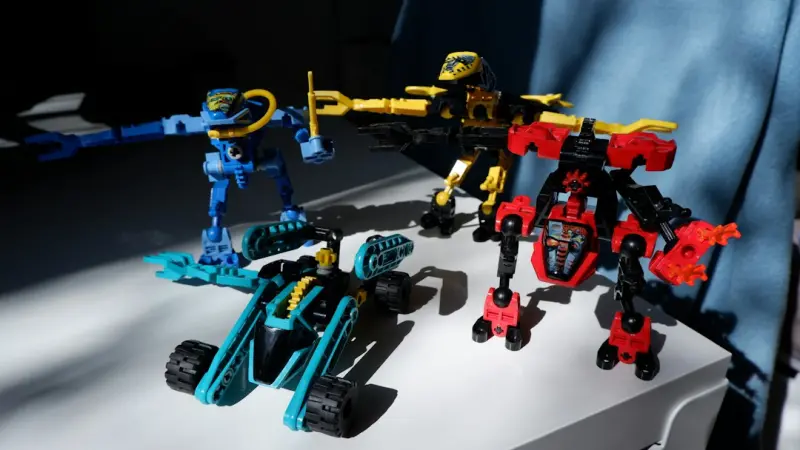
Playful Power Moves: How Modern Toys are Re‑energizing the Workplace
Modern toys are more than desk ornaments—they’re strategic tools that enhance creativity, teamwo... Read More
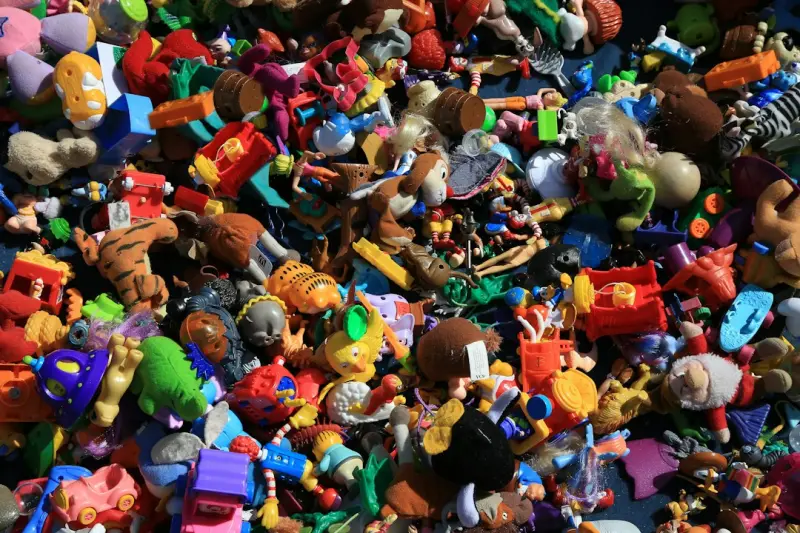
Desk‑Side Distractions: How Curated Toy Collections Boost Executive Focus
A strategic look at why adding high‑quality kinetic sculptures, modular building sets, and analog ... Read More
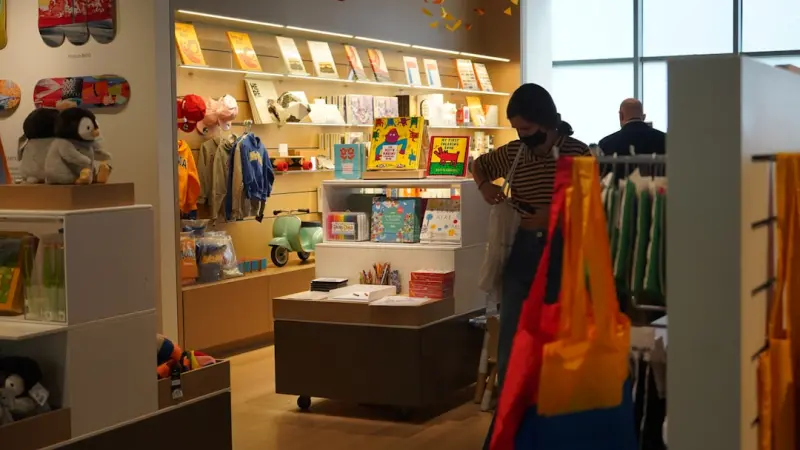
Why Toy Libraries Are the Next Big Thing in Play
Toy libraries are reviving shared play, offering families sustainable, affordable access to a rotati... Read More
Top Posts

Micro-Communities: The Quiet Engine Driving B2B Social Success
Learn why focusing on niche micro‑communities, leveraging employee advocates, and turning social listening into product insights can elevate B2B social media ...Read More
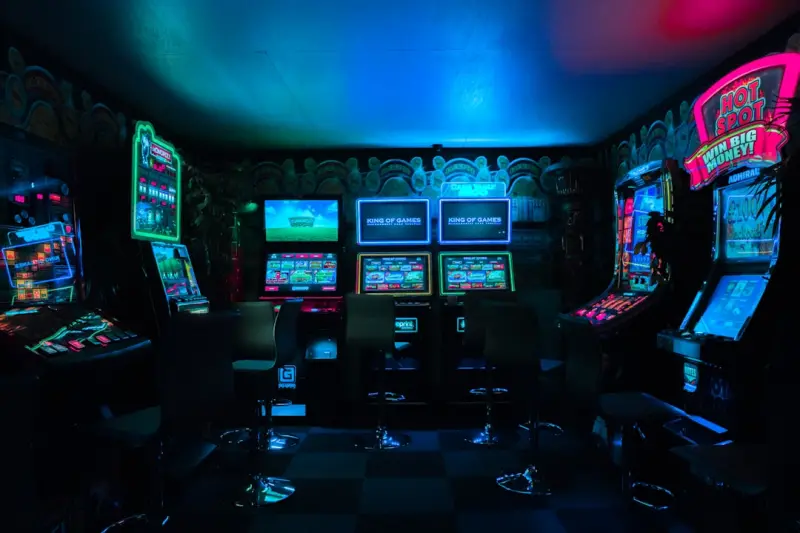
Beyond the Pixels: Why Narrative Co‑Op Gaming Is the Next Social Frontier
A deep dive into the rise of narrative‑focused co‑op games, highlighting design patterns, AI integration, and how shared storytelling is reshaping player re...Read More

Green Code: How SaaS Can Shrink Its Carbon Footprint
SaaS firms can turn sustainability into a competitive advantage by adopting green‑first architecture, measuring carbon KPIs, and leveraging tools like WebAsse...Read More
The Future of AI: How Sustainable Practices are Revolutionizing the Industry
The AI industry is rapidly evolving, but at what cost to the environment? Learn how sustainable practices are changing the game and creating a more eco-friendly...Read More
0 Comments
Post Comment
You will need to Login or Register to comment on this post!