
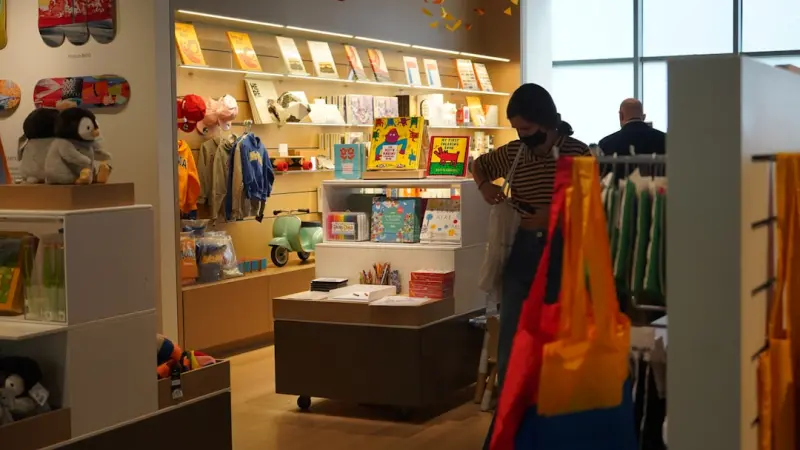
Rediscovering the Joy of Shared Play: The Modern Toy Library Movement
When I was a kid, the neighborhood “playroom” was a modest shed stocked with hand‑me‑downs, a few battered board games, and the occasional plastic dinosaur that had survived three birthday parties. There was a certain magic in that communal stash—something you could’t replicate with a brand‑new set purchased from a big‑box store. Today, that magic is making a comeback, but with a 21st‑century twist. Across cities and suburbs, toy libraries are sprouting up, offering families a rotating collection of curated playthings, a sustainable alternative to endless consumption, and a new kind of social hub.
From Shelved Shelves to Digital Catalogs
Historically, toy libraries began as community‑run shelves in public libraries or community centers, where parents could borrow a selection of toys for a modest fee or even for free. The concept was simple: treat toys like books—borrow, enjoy, and return. What has changed dramatically is the integration of technology. Modern toy libraries now sport sleek websites and mobile apps that let you browse catalogs, reserve items, and receive push notifications when a favorite returns to the shelf.
Take the innovative engineering behind toys as an example. Today’s designers think about modularity, durability, and even data collection. Toy libraries have adopted those principles, opting for modular play kits that can be reconfigured into countless games, extending the life of each piece and keeping the borrowing experience fresh.
Why Borrow When You Can Own?
At first glance, borrowing toys may feel counter‑intuitive—especially for parents who cherish the idea of owning a personal collection. Yet the benefits stack up in ways that go beyond simple cost savings:
- Financial Flexibility: A single membership can unlock a library of toys worth thousands of dollars, allowing families to keep pace with rapidly changing trends without breaking the bank.
- Environmental Impact: By sharing resources, toy libraries dramatically reduce the number of new products manufactured each year, cutting down on plastic waste and carbon emissions.
- Developmental Variety: Children can explore a broader spectrum of play—building sets, musical instruments, science kits—without the pressure of a parent having to buy each new interest.
- Community Connection: Borrowing encourages families to meet other parents, exchange tips, and even organize playdates around the same set of toys.
Eco‑Friendly Play: A Sustainable Solution
One of the most compelling arguments for toy libraries is their alignment with the growing green consumer mindset. Plastic toys often sit in landfills for decades, and the production cycle—from raw material extraction to shipping—leaves a sizable carbon footprint. By centralizing a collection of high‑quality, durable toys, libraries dramatically lower the per‑child environmental cost.
In fact, many toy libraries partner with manufacturers who specialize in recycled or responsibly sourced materials. Some even host workshops where families can upcycle old toys into new creations, turning a simple act of borrowing into an educational sustainability lesson.
The Social Fabric of Play
Beyond the ecological and economical advantages, toy libraries revive a sense of communal belonging that many modern families miss. When you walk into a toy library, you’re greeted not just by shelves of toys but by a space buzzing with conversation—parents swapping parenting hacks, children discovering shared interests, and volunteers sharing stories about the origins of particular toys.
These interactions echo the spirit of collectible toy communities, where the joy isn’t just in the object but in the shared experience and the stories that accompany each piece. In a toy library, the “collection” belongs to everyone, turning the act of borrowing into a collective narrative.
How Toy Libraries Support Child Development
Research consistently shows that varied play experiences foster cognitive flexibility, problem‑solving skills, and emotional intelligence. By rotating toys regularly, libraries expose children to new challenges and perspectives.
Consider these developmental pillars:
- Fine Motor Skills: Building blocks, puzzles, and manipulatives improve dexterity and hand‑eye coordination.
- Language Development: Storytelling kits and role‑play costumes encourage narrative building and vocabulary expansion.
- Social Skills: Group play items, such as board games or cooperative building sets, teach turn‑taking, negotiation, and empathy.
- Scientific Curiosity: Science experiment kits and nature exploration tools spark inquiry‑based learning without the need for costly equipment.
Because the library’s inventory is refreshed regularly, children are less likely to plateau on a single toy, keeping their brains actively engaged.
Challenges and How Libraries Overcome Them
Running a toy library isn’t without hurdles. Some of the most common obstacles include:
- Sanitation Concerns: Parents worry about germs on shared items. Many libraries now implement a rigorous cleaning protocol, using child‑safe disinfectants after each loan.
- Inventory Management: Keeping track of dozens or hundreds of toys can be daunting. Modern libraries rely on RFID tagging and integrated software that syncs across web and mobile platforms.
- Funding: Operating costs—space, staff, maintenance—require steady income. Many libraries adopt a hybrid model of membership fees, grant funding, and community sponsorships.
Despite these challenges, the community-driven nature of toy libraries often leads to creative solutions. Volunteer “toy doctors” handle repairs, while local businesses donate surplus inventory, turning potential waste into shared joy.
Technology Meets Play: The Digital Toolbox
One of the most exciting developments is the rise of smart borrowing. Some libraries have introduced QR codes on each toy that link to instructional videos, safety tips, and age‑appropriate activity ideas. A parent can scan the code and instantly receive a PDF of game rules, a YouTube tutorial, or a list of complementary toys to enhance the experience.
Furthermore, data analytics are being used (responsibly) to understand borrowing patterns. By identifying which toys are most popular, libraries can fine‑tune their acquisitions, ensuring a dynamic collection that reflects community interests.
Case Study: The Greenfield Toy Library
Located in a midsized suburb, the Greenfield Toy Library began as a pilot project in a public library’s basement. Within a year, it grew to a standalone space housing over 800 items ranging from wooden puzzles to electronic STEM kits. Their membership model includes a modest monthly fee, a “pay‑per‑use” option for occasional borrowers, and a “family plan” that allows unlimited check‑outs.
Key successes include:
- A 30% reduction in local household toy waste, as reported by a municipal environmental survey.
- Partnerships with three regional manufacturers who provide exclusive, eco‑friendly toys for the library’s collection.
- Monthly “Play Nights” that attract over 150 families, fostering social bonds and cross‑generational learning.
The Greenfield example illustrates how a well‑run toy library can become a cornerstone of both sustainable living and community health.
Future Trends: From Pop‑Up Libraries to Global Networks
Looking ahead, the toy library model is poised to evolve in several exciting directions:
- Pop‑Up Libraries: Temporary installations in malls, festivals, or corporate campuses can introduce the concept to new audiences.
- Hybrid Rental Services: Some startups are blending traditional rental models with subscription boxes, delivering curated toy sets directly to a family’s doorstep.
- International Collaboration: Online platforms could enable libraries in different cities to exchange toys, exposing children to cultural artifacts and global play traditions.
- Enhanced Accessibility: Designing tactile, auditory, and visually rich toys ensures that children of all abilities can benefit from shared play.
These trends signal a shift from isolated, brick‑and‑mortar spaces to an interconnected ecosystem where play is as fluid as the digital world—yet still grounded in the tangible, hands‑on experiences that nurture growth.
Getting Involved: How You Can Support Your Local Toy Library
If the idea of a community‑driven, sustainable play space resonates with you, there are several ways to contribute:
- Become a Member: Even a modest monthly contribution can give you unlimited access to a rotating collection of toys.
- Donate: Gently used, clean toys in good condition are always welcome. Many libraries have specific donation guidelines, so check before you drop off.
- Volunteer: From cataloging to cleaning to running play events, volunteers are the backbone of most libraries.
- Spread the Word: Share information on social media, local forums, or through parent groups to grow the community.
In the words of a longtime volunteer, “We’re not just lending toys; we’re lending possibilities.”
Conclusion: A Playful Path Forward
The resurgence of toy libraries proves that the simple act of sharing can have profound ripple effects—economically, environmentally, and socially. By re‑imagining toys as communal resources rather than private possessions, we create a model of play that aligns with modern values while honoring the timeless joy of discovery. Whether you’re a parent looking for variety, an eco‑conscious consumer, or a community organizer seeking to foster connection, the toy library offers a welcoming gateway to a richer, more sustainable play experience.

Karen Edwards is a seasoned freelance writer with a passion for all things furry, feathered, and scaled. With a dedicated focus on pets, she brings a wealth of knowledge and a keen eye for detail to her writing.
Related Posts

Tactile Play: A Burnout Antidote for Knowledge Workers
Hands‑on toys aren’t just nostalgic desk décor; they’re powerful tools that reduce stress, bo... Read More
Playful Resilience: Toys That Strengthen Your Mind and Work
Toys aren’t just for kids—they’re powerful tools for adult emotional resilience and creativity... Read More
When Play Becomes a Platform: The New Age of Smart, Modular Toys
Smart, modular toys are reshaping play into a platform for learning, collaboration, and sustainabili... Read More
Top Posts

Building a Personal Knowledge Graph with AI: A New Frontier for Lifelong Learning
Explore the power of AI‑driven personal knowledge graphs, a digital brain that links your notes, emails, and media into actionable insight, boosting creativit...Read More

Crafting an Intimate Narrative: Redefining Weddings and Anniversaries
Discover a fresh approach to weddings and anniversaries that prioritizes storytelling, sustainable choices, and meaningful details, turning each celebration int...Read More
Career Resilience: Turning Setbacks Into Strategic Momentum
Learn to convert career setbacks into growth opportunities through resilience, data‑driven reflection, mentorship, and storytelling—turn challenges into you...Read More

Smart Home Safety: Balancing Convenience with Real‑World Protection
A hands‑on guide to safeguarding your smart home, blending modern tech with timeless safety habits to protect family, pets, and peace of mind....Read More
0 Comments
Post Comment
You will need to Login or Register to comment on this post!