
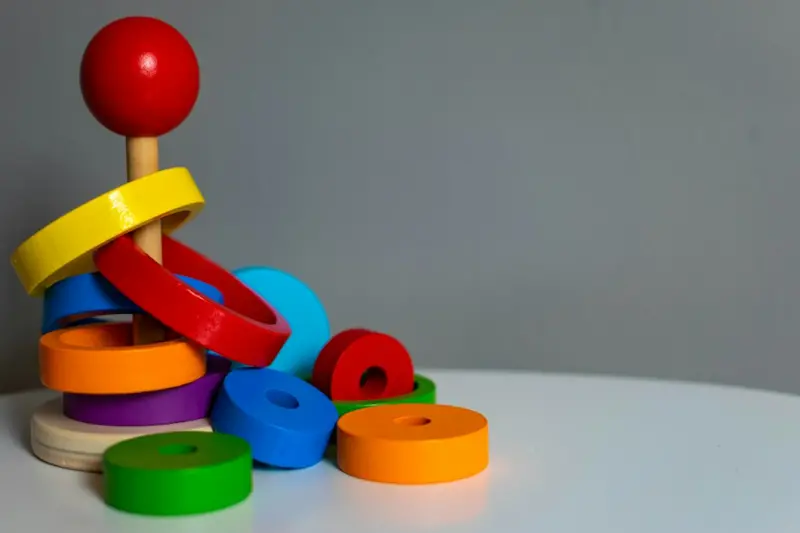
When I was a kid, my imagination was the most powerful battery in my toy chest. I could turn a simple plastic dinosaur into a time‑traveling guardian, a stack of wooden blocks into a soaring skyscraper, and a humble stuffed rabbit into a confidant that never judged. Fast‑forward to adulthood, and those same sparks of wonder still light up my world—only now they’re filtered through the lens of a busy professional life, remote‑work fatigue, and the endless scroll of digital distractions. That’s why I’m convinced the next wave of toys isn’t just for kids; it’s a vital tool for adults seeking emotional resilience, focused creativity, and a touch of purposeful play.
Why Toys Matter Beyond Childhood
For many, the word “toys” conjures images of birthday parties and Saturday morning cartoons. Yet research shows that playful interaction stimulates dopamine, reduces cortisol, and reinforces neural pathways linked to problem‑solving. In a world where we’re constantly toggling between video calls, inbox overload, and algorithmic feeds, a tactile, analog experience can act as a grounding counterbalance.
Think of a fidget cube, a kinetic sand tray, or a classic jigsaw puzzle. Each of these objects forces you to slow down, engage your senses, and focus on the present moment. Unlike the endless scroll of a smartphone, these toys have a finite, physical endpoint, giving you a sense of completion and achievement that digital notifications rarely provide.
Design Principles for Adult‑Centric Toys
When designing toys for grown‑up hands, a few key principles emerge:
- Sensory Richness: Textures, weights, and sounds that invite curiosity.
- Modular Flexibility: Pieces that can be recombined in countless ways, encouraging iterative experimentation.
- Purposeful Narrative: A story or goal that frames the play session, turning a casual distraction into a meaningful ritual.
- Quiet Elegance: Aesthetic designs that blend seamlessly into a home office or living room, avoiding the garish “kids’ toy” vibe.
Playful Tools for Emotional Resilience
One of the most under‑explored benefits of toys is their ability to act as emotional first‑aid kits. Here are three categories that have proven especially effective for busy professionals:
1. Kinetic Sculptures
Think of those mesmerizing magnetic spheres that float and spin with a gentle push. They’re not just desk ornaments; they’re kinetic meditation devices. As you coax the pieces into new formations, you’re practicing patience, letting go of perfectionism, and watching stress dissolve in the swirl of motion.
2. Narrative Building Blocks
Modern building blocks have evolved beyond simple interlocking bricks. Brands now offer sets themed around architecture, storytelling, and even speculative futures. By constructing a miniature city or a fantastical landscape, you tap into a narrative mindset that helps reframe real‑world challenges as puzzles you can solve one piece at a time.
3. Tactile Stress Relievers
Beyond the classic stress ball, there are silicone molds, sand art trays, and even “smart” clay that changes color with temperature. These tactile toys engage the somatosensory cortex, providing immediate feedback that can calm the nervous system. The key is to choose a material that feels satisfying in your hand, encouraging repeated use whenever anxiety spikes.
Integrating Play into a Remote‑Work Routine
Remote work has blurred the lines between “work time” and “break time.” To avoid burnout, I’ve instituted a “micro‑play” ritual: a five‑minute session with a chosen toy at the top of each hour. It sounds simple, but the impact is profound. The brief pause resets my focus, and the physical act of moving something with my hands signals my brain that it’s safe to shift gears.
For those skeptical about allocating work minutes to play, consider the ambient web design principle—interfaces that fade into the background, letting the user’s attention flow naturally. Toys work the same way: they sit quietly in your peripheral vision, ready to be summoned when mental fatigue creeps in, without demanding constant attention.
From Playful Curiosity to Creative Breakthroughs
Many of the world’s most innovative ideas were born from a moment of playful experimentation. The story of a famous tech CEO sketching a “virtual reality” headset on a napkin after a weekend board game night is the stuff of legend. When you give yourself permission to explore without a strict agenda, you unlock a sandbox mindset that fuels out‑of‑the‑box thinking.
Here’s how to harness that energy:
- Set Intentional Play Goals: Rather than “just play,” define a micro‑objective, like “experiment with three new block configurations.”
- Document the Process: Take a quick photo or jot a note about what you built. The act of recording reinforces neural pathways and provides a tangible record of your creative journey.
- Share with Peers: In a remote team, a “toy showcase” during a stand‑up can spark conversation, humanize colleagues, and even inspire collaborative problem‑solving.
Choosing the Right Toy for Your Space
Not every toy will suit every environment. Here are a few considerations to help you pick the perfect companion for your desk or lounge:
- Noise Level: If you work in an open office or share a space, opt for silent or low‑sound toys (e.g., magnetic spheres, soft‑rubber puzzles).
- Size & Portability: Compact toys travel well and can accompany you from home to a coffee shop.
- Material Sustainability: Look for eco‑friendly options—recycled plastics, sustainably sourced wood, or biodegradable silicone.
- Growth Potential: Toys that can evolve—like modular building kits with expansion packs—provide long‑term value.
The Future of Playful Workspaces
As we continue to navigate hybrid work models, the boundary between “play” and “productivity” will keep dissolving. Imagine office pods equipped with curated toy libraries, or virtual reality lounges where teams can collaborate on 3D puzzles in real time. Even the rise of voice‑first tech hints at a future where you could simply ask a smart speaker to “start a 5‑minute kinetic sphere session,” seamlessly blending auditory cues with tactile relief.
In that future, toys aren’t a fringe benefit—they’re a core component of a resilient, innovative workforce. By normalizing playful breaks, companies can lower stress metrics, boost creative output, and cultivate a culture that values holistic well‑being.
Practical Tips to Get Started Today
Ready to bring a little joy into your day? Here’s a quick starter kit you can assemble in under an hour:
- Pick a Signature Toy: Choose one piece that resonates—whether it’s a magnetic sphere set, a miniature wooden puzzle, or a pack of soft kinetic sand.
- Designate a Play Spot: Clear a small area on your desk or a nearby shelf. The visual cue will remind you to pause.
- Schedule Micro‑Play Sessions: Set a recurring calendar reminder for a 5‑minute “play break.” Treat it like any other meeting.
- Reflect: After each session, note any shift in mood, focus, or ideas that emerged. Over time, you’ll see patterns.
- Iterate: Swap out toys periodically to keep the experience fresh and challenge different senses.
Conclusion: Play Is Not a Luxury, It’s a Necessity
We’ve all heard the phrase “all work and no play makes Jack a dull boy,” but the modern reality is that play is the antidote to the relentless digital grind. By re‑introducing tactile, thoughtfully designed toys into our daily routines, we empower ourselves to manage stress, spark creativity, and build emotional resilience. Whether you’re a solo entrepreneur, a remote team leader, or a corporate executive, consider the humble toy your secret weapon in the quest for a balanced, innovative life.

Amanda is a passionate writer exploring a kaleidoscope of topics from lifestyle to travel and everything in between.
Related Posts

Tactile Play: A Burnout Antidote for Knowledge Workers
Hands‑on toys aren’t just nostalgic desk décor; they’re powerful tools that reduce stress, bo... Read More
When Play Becomes a Platform: The New Age of Smart, Modular Toys
Smart, modular toys are reshaping play into a platform for learning, collaboration, and sustainabili... Read More
From Playroom to Boardroom: How Toy Engineering Fuels Modern Product Innovation
A deep dive into how the playful principles of construction toys, inclusive design, and sustainable ... Read More
Top Posts

From the Inbox to the Heart: Rethinking Email Marketing as a Human Dialogue
Learn how to shift from broadcast blasts to human‑centered email dialogues using permission‑first segmentation, micro‑journeys, dynamic content, and realâ...Read More

The Future of Energy: How Sustainable Practices are Revolutionizing the Industry
The energy industry is undergoing a significant transformation, driven by the growing demand for renewable energy sources and sustainable practices. Learn more ...Read More

Reimagining Your Career as a Data‑Driven Journey
A modern career is less a ladder and more a data‑driven expedition. Discover actionable steps—skill portfolios, AI integration, and reciprocal networking—...Read More
The Impact of Social Media on Sustainable Living: A Comprehensive Guide
Learn how social media influences our approach to sustainability and get tips on leveraging these platforms for a greener future. Explore the impact of social m...Read More
0 Comments
Post Comment
You will need to Login or Register to comment on this post!