
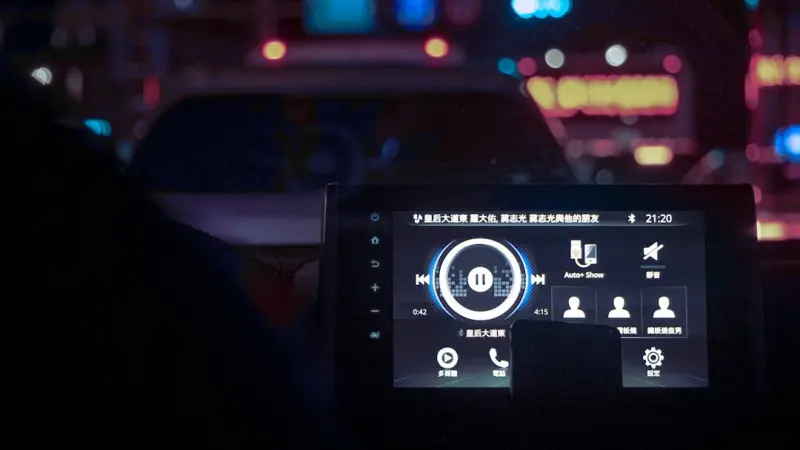
When I first sat behind the wheel of a classic sedan with a hand‑cranked starter, the experience felt like stepping into a time capsule. Fast‑forward to today, and the same seat can feel like a command center for a spacecraft. The automotive landscape is no longer just about horsepower and leather; it’s a living, breathing software ecosystem that updates itself, learns from you, and even earns revenue while you drive.
From Mechanical to Digital: The New Engine of Value
Cars have always been engineered to move people from point A to point B. What’s shifted dramatically is how that movement is orchestrated. Over‑the‑air (OTA) updates have turned the vehicle into a device that can be patched, upgraded, and even completely re‑imagined without ever touching a garage door. The implications are profound:
- Extended product lifecycles: A model that launched with a modest infotainment suite can now receive premium navigation, gaming, and driver‑assist features years later.
- Reduced warranty headaches: Manufacturers can fix software bugs remotely, slashing the number of service‑center visits.
- New revenue streams: Subscription‑based features—think heated seats, performance boosts, or advanced safety packs—become viable because the software can be turned on or off at will.
This shift mirrors trends we’ve seen in consumer tech, where devices live as long as the software that powers them. It also forces a new mindset: car ownership is increasingly a relationship with a service, not just a product.
Subscription Cars: The Rise of Vehicle-as-a-Service
Imagine swapping a vehicle’s performance profile the same way you upgrade a streaming plan. Today’s drivers can subscribe to a “performance package” that temporarily unlocks higher torque, or a “comfort bundle” that adds climate‑controlled seats on demand. The model is already taking hold in premium brands, but the ripple effect is reaching every segment.
Why does this matter? First, it democratizes access to features that were once reserved for high‑end trims. Second, it aligns manufacturers’ incentives with the actual usage patterns of drivers. If a customer rarely drives in snowy conditions, they can opt out of the winter‑ready package and save money.
Critics argue this could turn cars into a never‑ending subscription treadmill, but the data tells a different story. Consumers who feel they’re paying only for what they use report higher satisfaction and lower churn. In the long run, this could reshape financing, insurance, and even resale values, as the vehicle’s software pedigree becomes a key part of its worth.
Data as the New Fuel: Monetizing Vehicle Insights
Every mile driven generates a torrent of data: speed, brake pressure, climate control settings, even seat‑position preferences. While privacy concerns are valid, the responsible monetization of this data opens doors for both manufacturers and third‑party innovators.
Consider a fleet operator that aggregates real‑time traffic and driver‑behavior data to optimize routes, cut fuel consumption, and predict maintenance needs. Or a city planning department that uses anonymized vehicle movement patterns to improve public transit alignment. The value isn’t just in the raw numbers; it’s in the insights derived from them.
To harness this responsibly, companies must embed transparent consent flows—think of them as adaptive experience platforms that adapt not only to user preferences but also to privacy choices. When drivers understand how their data fuels better services, the trust barrier lowers, and the ecosystem thrives.
Predictive Maintenance: AI in the Engine Bay
Predictive maintenance isn’t a futuristic buzzword; it’s an operational reality for forward‑thinking fleets. By feeding sensor data into machine‑learning models, vehicles can forecast component wear before a failure occurs. The result? Fewer breakdowns, lower downtime, and a smoother ownership experience.
One compelling example is the use of AI to predict battery health in electric vehicles. Instead of waiting for a “low‑charge” warning, the system can alert owners weeks in advance, recommending optimal charging cycles to extend lifespan. This approach mirrors the insights from AI‑driven learning models that adapt over time, getting smarter with each data point.
Beyond batteries, predictive analytics can anticipate brake pad wear, suspension fatigue, and even software glitches. The key is integrating these alerts into a seamless user experience—think a smartphone notification that not only warns you but also offers to schedule a service appointment with a single tap.
Battery Swapping: A Faster Alternative to Charging
While charging infrastructure expands, a parallel solution is gaining traction: battery swapping stations. Instead of waiting for a charge, drivers pull into a station, and a robotic arm replaces the depleted pack with a fully charged one in minutes. This model is especially appealing for urban commuters and commercial delivery fleets that can’t afford downtime.
Swapping does more than cut wait times; it decouples the battery ownership from the vehicle, opening up new business models. Companies can own the battery packs, offering them as a subscription service, while the vehicle itself remains the consumer’s asset. This also enables better battery lifecycle management, as packs can be cycled to optimal usage patterns, extending overall longevity.
The Human Element: Re‑thinking the Driving Experience
All the tech in the world can’t replace the simple joy of a smooth ride. The challenge for manufacturers is to blend innovation with the tactile, emotional connection drivers have with their cars. This means designing interiors that feel premium, ensuring haptic feedback feels natural, and keeping the human driver in the loop, even as automation rises.
Voice assistants, for instance, have become the new co‑pilot. But they need to be more than generic AI; they must understand context, adapt to regional accents, and respect privacy. The evolution of conversational interfaces in marketing provides a blueprint for how automotive voice systems can become genuinely helpful, not just noisy.
Regulatory Landscape: Steering Through New Rules
As software becomes central to vehicle operation, regulators are catching up. Safety standards now mandate that OTA updates undergo rigorous validation before deployment. Data‑privacy laws require explicit consent for any telemetry collection. Manufacturers must navigate these waters carefully, balancing innovation with compliance.
Proactive engagement with policymakers—participating in standards‑setting bodies and sharing anonymized safety data—can help shape regulations that protect consumers without stifling progress. The automotive industry’s next decade will be as much about legislative strategy as it is about engineering breakthroughs.
Looking Ahead: The Road to a Fully Integrated Mobility Ecosystem
We stand at a crossroads where cars, smartphones, and even homes are converging into a single, connected lifestyle platform. The vehicle of the future will be less a standalone product and more a node in a larger network, exchanging data, services, and value in real time.
For industry leaders, the imperative is clear: invest in flexible software architectures, embrace subscription and data‑monetization models responsibly, and keep the driver’s experience front and center. For consumers, the promise is an increasingly personalized, efficient, and enjoyable ride—one that evolves long after the purchase.
The journey is just beginning, and the road ahead is as exciting as the first time I heard an engine roar.

David Moore is a freelance writer specializing in two dynamic and ever-evolving fields: gambling and the tech industry. With a keen eye for detail and a knack for unraveling complex topics, David delivers insightful and engaging content that keeps readers informed and entertained.
Related Posts
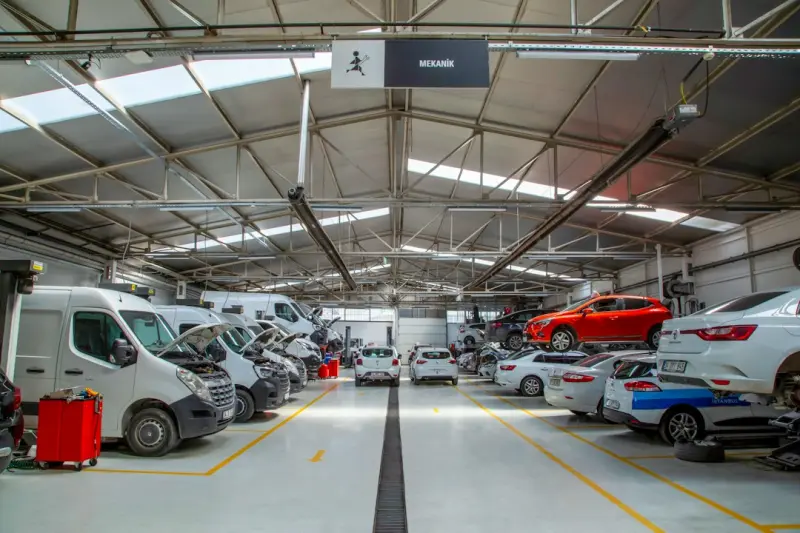
Cars as a Service: The Next Automotive Revolution
The automotive industry is shifting from traditional ownership to subscription‑based mobility, dri... Read More
The Green Acceleration: How Electric, AI, and Policy Are Redefining the Automotive Landscape
Ryan Stuart dives into the electric revolution, AI-driven cars, and policy incentives, showing how t... Read More

Software‑First Cars: How Code Is Redefining Mobility
An in‑depth look at why the vehicle’s operating system, predictive maintenance, and secure overâ... Read More
Top Posts

Designing a Hybrid Wedding That Connects Every Guest, Near and Far
Hybrid weddings combine live celebrations with digital experiences, creating an inclusive, data‑driven, and eco‑friendly event that engages every guest, no ...Read More

Unconventional Celebrations that Boost SaaS Team Spirit
Discover innovative, low‑effort rituals—from micro‑toasts and failure Fridays to skill‑swap showcases—that transform everyday moments into meaningful ...Read More

When AI Becomes Your Remote Team’s Quiet Mentor
A generative AI coach can transform remote work by offering contextual summaries, skill‑gap spotting, and meeting guardrails, turning silent assistance into a...Read More

Mobile-First, Accessibility-First: Unlocking Untapped B2B SaaS Growth
A deep dive into why B2B SaaS firms should make accessibility the cornerstone of their mobile strategy, turning compliance into a competitive edge and unlocking...Read More
0 Comments
Post Comment
You will need to Login or Register to comment on this post!