
When you think of the automotive world, the image that often pops up is a gleaming chassis, a roaring engine, and the classic mantra “buy it, own it, keep it.” Yet the industry is quietly undergoing a transformation that could make that mantra feel as outdated as a cassette tape. The rise of subscription‑based vehicle access, powered by real‑time data, AI analytics, and cloud platforms, is turning cars into a service rather than a static product. This shift isn’t just about leasing or car‑sharing; it’s a holistic re‑imagining of how drivers, fleets, and manufacturers interact with mobility.
From Ownership to Access: Why the Subscription Model Matters
Historically, vehicle ownership represented a long‑term financial commitment, often tied to credit scores, down payments, and the inevitable depreciation curve. Today, consumers—especially Gen Z and Millennials—prioritize flexibility. They want the ability to swap a compact city car for an electric SUV on a weekend trip, without the hassle of resale or trade‑ins. Subscriptions deliver exactly that: a curated fleet, insurance, maintenance, and even software updates bundled into a single, predictable monthly fee.
From a business perspective, the model opens new revenue streams. Instead of a one‑off sale, manufacturers can capture recurring cash flow, akin to the way subscription power models have disrupted traditional utilities. The predictability of monthly payments also smooths out the cyclical nature of automotive sales, allowing for better inventory planning and reduced reliance on seasonal spikes.
The Data Engine Under the Hood
At the heart of the subscription revolution lies data—massive, continuous streams from telematics, onboard diagnostics, and driver behavior sensors. Every turn of the wheel, every charge cycle, and every brake event becomes a data point that can be analyzed in real time. This granular visibility empowers providers to:
- Optimize fleet utilization: Predict when a vehicle will be idle and proactively reassign it to a high‑demand zone.
- Personalize the driving experience: Adjust seat positions, climate settings, and infotainment preferences before the driver even steps inside.
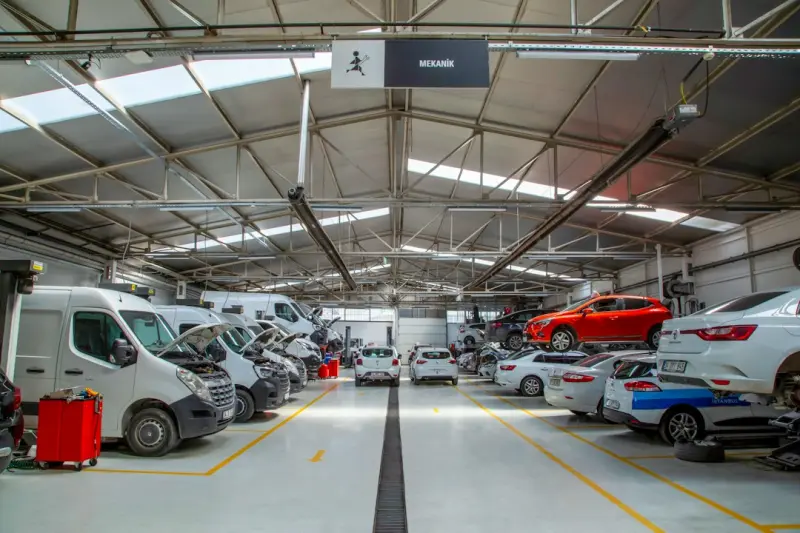
- Drive predictive maintenance: Anticipate component wear before a breakdown occurs.
It’s the AI-driven predictive maintenance approach that turns raw telemetry into actionable insight, reducing downtime and extending vehicle lifespan.
AI‑Powered Predictive Maintenance: A Game Changer for Fleets
Imagine a logistics company with a fleet of 200 trucks. Traditionally, maintenance schedules are based on mileage or calendar intervals, which can lead to unnecessary service or unexpected failures. With AI, the platform continuously ingests sensor data—oil temperature, vibration signatures, brake wear—and runs it through machine‑learning models trained on millions of similar vehicles.
The result? The system flags a potential brake pad issue 30 days before the driver notices any change, automatically creates a service ticket, and suggests the nearest qualified service center. This not only saves on costly emergency repairs but also minimizes vehicle downtime, translating directly into higher utilization rates and better profit margins.
Software‑Defined Vehicles: The New Competitive Frontier
Cars are evolving into “software‑defined” machines. Over‑the‑air (OTA) updates now allow manufacturers to roll out new features, security patches, and performance tweaks without a dealer visit. This capability is essential for subscription services, where the value proposition includes continuous improvement.
Consider a driver who subscribes to a premium package that unlocks an advanced driver‑assist suite. Two months later, a new lane‑keeping algorithm is released, enhancing safety. Because the vehicle’s software stack is modular, the update is delivered instantly, and the driver enjoys the benefit without any additional cost. This fluidity mirrors how SaaS platforms roll out new features to users, reinforcing the parallel between automotive and software business models.
Challenges on the Road Ahead
Transitioning to a subscription model isn’t without friction. Key challenges include:
- Regulatory compliance: Varying insurance, tax, and consumer protection laws across jurisdictions complicate the creation of a universal subscription framework.
- Consumer trust: Some drivers still view ownership as a status symbol; convincing them to switch to usage‑based models requires clear communication of benefits and transparent pricing.
- Data privacy: Continuous data collection raises concerns about who owns the data and how it’s used.
Manufacturers must address these hurdles head‑on, adopting robust privacy policies, flexible contract structures, and localized compliance teams.
Community‑Driven Vehicle Platforms: The Social Layer
Beyond the tech stack, there’s a growing appreciation for the social dimension of mobility. Subscription services can foster communities where drivers share experiences, tips, and even coordinate rides. A platform that integrates forums, user‑generated content, and peer reviews creates a sense of belonging that can increase loyalty.
In this context, the lessons from private social communities are instructive. By curating an exclusive digital space for subscribers, automotive brands can gather real‑time feedback, co‑create features with users, and turn customers into brand ambassadors.
Economic Implications for Manufacturers and Dealerships
For OEMs, the subscription model promises a steadier revenue stream, but it also requires a shift in cost structures. Traditional profit calculations based on unit sales give way to metrics like customer lifetime value (CLV), churn rate, and average revenue per user (ARPU). This forces finance teams to adopt SaaS‑style financial modeling, incorporating metrics such as monthly recurring revenue (MRR) and net revenue retention (NRR).
Dealerships, historically the final sales point, must reinvent themselves as service hubs. They become the physical touchpoints for vehicle swaps, maintenance, and experiential showcases. Some forward‑thinking dealers are already piloting “mobility studios” where customers can test different subscription tiers, attend workshops on electric vehicle (EV) charging, and explore digital dashboards that visualize their usage patterns.
Environmental Upsides: Aligning Mobility with Sustainability
Subscription models can accelerate the adoption of electric and low‑emission vehicles. Since the cost of the vehicle is bundled, manufacturers have an incentive to populate fleets with the most efficient, low‑maintenance options. Moreover, the data‑driven approach enables smarter routing and load‑balancing, reducing unnecessary miles and emissions.
When a vehicle reaches the end of its service life within a subscription, the manufacturer can orchestrate a closed‑loop recycling process, ensuring components are reclaimed or repurposed. This circular approach dovetails with broader sustainability goals and can become a compelling marketing narrative.
Real‑World Examples: Early Adopters Leading the Charge
Several players have already taken bold steps:
- Volvo’s “Care by Volvo”: A fully subscription‑based offering that includes insurance, maintenance, and a rotating selection of models.
- Mercedes‑Benz’s “Mercedes me Flex”: Allows customers to swap between electric and combustion models based on seasonal needs.
- General Motors’ “OnStar Anywhere”: Bundles connectivity, safety, and concierge services into a single monthly fee.
These programs illustrate the practical feasibility of the model while highlighting the importance of seamless digital experiences, robust data pipelines, and flexible contract terms.
Future Outlook: The Convergence of Mobility and SaaS
Looking ahead, the line between a vehicle and a software platform will blur further. Expect to see:
- Dynamic pricing engines that adjust subscription fees based on real‑time demand, akin to ride‑hailing surge pricing.
- Modular hardware that can be physically upgraded or swapped out, extending the vehicle’s functional lifespan.
- Integrated wellness suites that combine in‑car health monitoring, ambient soundscapes, and ergonomic adjustments, turning every ride into a holistic experience.
In this future, owning a car may become as optional as owning a smartphone. The focus will shift from the asset itself to the value it delivers on a day‑to‑day basis.
Conclusion: Steering Toward a Subscription‑First Landscape
The automotive sector stands at a crossroads where technology, consumer behavior, and sustainability intersect. By embracing subscription models, leveraging AI for predictive maintenance, and fostering community‑centric platforms, manufacturers can unlock new revenue, deepen customer relationships, and accelerate the transition to greener mobility. The road ahead will require bold experimentation, regulatory agility, and a relentless focus on data privacy, but the destination promises a more flexible, efficient, and environmentally responsible driving experience for everyone.

Seth Samual is a name that's quickly becoming synonymous with compelling and insightful writing. As a freelance writer, Seth has carved a niche for himself by delivering high-quality content across a diverse range of subjects.
Related Posts

Reimagining the Driver’s Seat: How Digital Twins Are Transforming Car Development
Digital twins are revolutionizing automotive development by creating dynamic, data‑rich virtual re... Read More

Beyond Ownership: The Subscription Revolution Reshaping How We Drive
A deep dive into the rise of vehicle subscriptions, examining how data, AI, and sustainability conve... Read More

Electric Dreams: How 2026 is Driving the Next Wave of Automotive Innovation
A deep dive into 2026’s automotive evolution, from electrified powertrains and AI safety to recycl... Read More
Top Posts

Courtroom UX: The Unseen Driver of Justice
A fresh look at how applying UX design, real‑time data insights, and responsible AI can modernize courtrooms, improve public trust, and make legal processes m...Read More

Rethinking Home Appliances: The Subscription Model That’s Changing How We Live
Explore the rise of appliance subscriptions, a service‑first approach that lowers upfront costs, extends product lifespans, and integrates predictive maintena...Read More

WordPress Unlocked: From Content Hub to Enterprise Engine
WordPress has grown beyond blogging to become a robust enterprise engine. Learn how to harness headless architecture, performance best practices, security frame...Read More

Rethinking Insurance for the Distributed Workforce
A deep dive into why traditional policies miss the mark for remote workers and how modular, data‑driven coverage can safeguard distributed teams while deliver...Read More
0 Comments
Post Comment
You will need to Login or Register to comment on this post!