
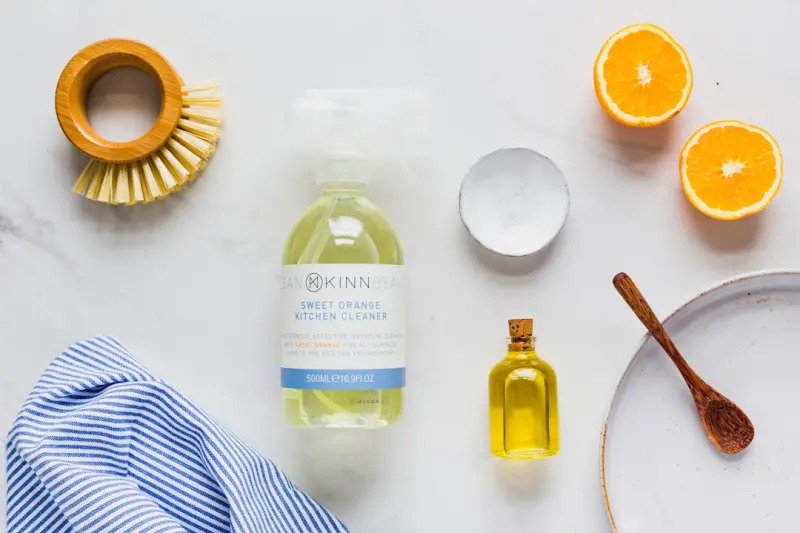
Why Eco‑Cleaning Needs a Mindful Reset
Most households treat cleaning like a sprint—grab the first spray you see, scrub, rinse, and move on, assuming the job is done once the surface looks shiny. That mindset overlooks the cumulative chemical load we invite into our living spaces, which can linger on fabrics, evaporate into indoor air, and even seep into groundwater when washed down the drain. By pausing to question each product’s purpose, ingredients, and disposal path, we open a window for a more intentional, health‑first approach that aligns everyday chores with long‑term planetary stewardship.
The Hidden Chemistry of Common Household Cleaners
At first glance, a bottle labeled “all‑purpose” seems harmless, but beneath the glossy label lies a cocktail of surfactants, fragrances, and preservatives engineered to mask dirt rather than dissolve it sustainably. Many of these compounds—such as sodium lauryl sulfate or quaternary ammonium salts—break down into micro‑plastics or persist in aquatic ecosystems, disrupting microbial balances essential for clean water cycles. Understanding the molecular players empowers you to swap out the toxic few for naturally derived alternatives that achieve the same sparkle without the hidden ecological toll.
Building a Zero‑Waste Cleaning Arsenal from Kitchen Staples
Imagine turning the citrus peels from your morning orange juice into a potent degreaser, or repurposing white vinegar and baking soda into a fizzing powerhouse that tackles grime from stovetops to bathroom tiles. By sourcing ingredients already present in most pantries, you eliminate the need for single‑use packaging and dramatically cut transportation emissions associated with store‑bought chemicals. This strategy not only shrinks your carbon footprint but also encourages a habit of creative problem‑solving, turning everyday waste into a resource for spotless surfaces.
DIY Concentrates That Outperform Store‑Bought Sprays
When you dilute a few tablespoons of castile soap, essential oils, and distilled water in a reusable spray bottle, you create a concentrate that can be mixed to varying strengths for different tasks—light dusting, heavy kitchen grease, or even delicate glass polishing. Because the base formula is stable, a single batch can last months, reducing the frequency of purchases and the plastic churn that accompanies them. For those who crave a scientific edge, you can even tweak pH levels using a few drops of citric acid to tailor the solution’s effectiveness without sacrificing safety.
Micro‑Fiber Magic: The Fabric That Saves Water and Energy
Micro‑fiber cloths are engineered with ultra‑fine fibers that trap particles through static attraction, allowing you to wipe down surfaces with far less water than traditional cotton rags. A single microfiber pad can replace an entire bucket of sudsy water for a kitchen clean‑up, translating into measurable savings on both utility bills and the energy required to heat that water. Moreover, when laundered correctly—cold water, gentle cycle, and air‑dry—you preserve the cloth’s lifespan, ensuring a truly sustainable cleaning tool that outlasts its disposable counterparts.
Smart Storage Solutions to Extend Shelf Life of Natural Cleaners
Natural ingredients such as citrus extracts or essential oils are prone to oxidation, which can diminish their cleaning power and introduce off‑notes if left exposed. By storing your DIY blends in amber glass bottles with airtight caps, you shield them from UV light and air, effectively extending potency for up to six months. Pair this with a labeled inventory system—perhaps a simple chalkboard on the pantry door—so you never over‑mix or let a batch sit forgotten, turning what could be waste into a reliable, ready‑to‑use solution.
Integrating Eco‑Cleaning into a Holistic Home Routine
Eco‑cleaning is most effective when it dovetails with other sustainable habits, such as composting food scraps, using renewable energy sources, and maintaining indoor air quality through houseplants. For instance, a quick wipe with a citrus‑based spray can be followed by a brief ventilation period, letting fresh air carry away any residual scent while plants absorb lingering volatile compounds. This layered approach amplifies the benefits of each practice, creating a virtuous cycle where clean surfaces reinforce a healthier indoor environment, and a healthier environment reinforces your commitment to low‑impact living.
Measuring Impact: Simple Metrics That Prove Your Efforts
Tracking progress doesn’t require a complex dashboard; a few straightforward numbers can illustrate the real difference you’re making. Count the number of plastic bottles avoided by switching to refillable spray containers, calculate the gallons of water saved by using microfiber instead of wet rags, or log the reduction in hazardous ingredients based on label comparisons. Over time, these metrics not only validate your eco‑cleaning routine but also provide compelling data you can share with friends, turning personal success into community inspiration. For a deeper dive into tracking tools, check out Turning Information Overload into Action with AI‑Powered Personal Knowledge Graphs.
Future‑Forward Eco‑Cleaning: Community Swaps and Open‑Source Recipes
Imagine a neighborhood hub where residents exchange leftover cleaning concentrates, share recipes for seasonal disinfectants, and collectively bulk‑order biodegradable packaging to further slash costs and waste. Such cooperative models not only democratize access to sustainable products but also foster a sense of shared responsibility, turning eco‑cleaning from an individual chore into a communal movement. If you’re curious about starting a local initiative, the principles outlined in Cultivating a Mini‑Forest on Your Balcony offer a blueprint for turning small green projects into vibrant, community‑wide actions.

Seth Samual is a name that's quickly becoming synonymous with compelling and insightful writing. As a freelance writer, Seth has carved a niche for himself by delivering high-quality content across a diverse range of subjects.
Related Posts

Enzyme‑Powered Cleaning: How Biotech Is Turning Facilities Green and Profitable
Explore the science behind enzyme cleaners, learn a 30‑day rollout plan, and see how data‑enable... Read More

Plant-Powered Cleaning: Transform Your Home with Zero‑Waste Solutions
A fresh take on eco‑cleaning: learn how to brew plant‑based cleaners that protect your health, y... Read More
Eco‑Cleaning the Rose DesRochers Way: Sustainable Hacks for a Sparkling Home
Rose DesRochers shares her personal eco‑cleaning journey, from pantry‑based solutions to sustain... Read More
Top Posts

The Rise of Kitchen Appliances That Adapt to Your Lifestyle
Modern appliances are becoming silent orchestrators of daily life, offering energy efficiency, health‑focused features, modular upgrades, and design that fits...Read More

Unlocking the Power of Search Intent Clustering for Modern SEO
Learn why search intent clustering beats keyword‑centric tactics, and get a step‑by‑step checklist to future‑proof your SEO for conversational AI and ze...Read More

Designing Interiors That Nurture the Soul and the Planet
Explore a designer’s journey blending sustainability, biophilic touches, and smart tech to craft interiors that inspire both the heart and the environment....Read More

How Community Fridges Turn Food Waste into Neighborhood Wealth
Explore the rise of community fridges—low‑cost, upcycled hubs that redirect edible surplus, foster neighborhood connections, and slash food‑waste emission...Read More
0 Comments
Post Comment
You will need to Login or Register to comment on this post!