
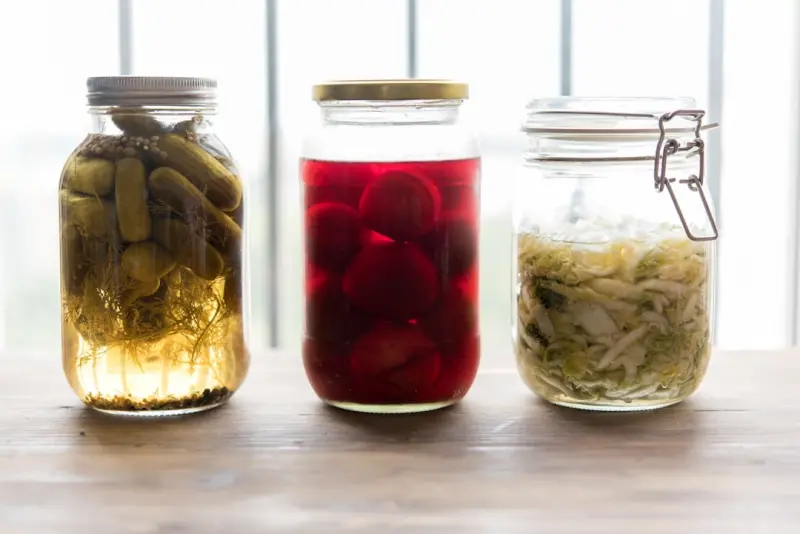
Fermentation Meets Tech: A Fresh Take on Kitchen Alchemy
When a curious palate meets the precision of modern tools, the kitchen becomes a laboratory and every bite a data point. I’ve spent years watching the intersection of software and taste, and what I’ve learned is that the ancient art of fermentation is finally catching up with the digital age. This isn’t about gadgets for gadgets’ sake; it’s about turning unpredictable microbes into reliable partners, letting home chefs coax flavors that once required years of trial and error.
From Wild Yeast to Predictable Profiles
Fermentation has always been a dance with the unknown. A sourdough starter can be temperamental, a kombucha batch can turn cloudy, and a batch of kimchi can surprise you with unexpected sharpness. The secret used to be patience, experience, and a willingness to accept the occasional flop.
Today, sensors, cloud dashboards, and open‑source algorithms let you track temperature, pH, and even the acoustic signature of bubbling cultures. By logging each variable, patterns emerge. Over weeks of brewing, you build a “flavor fingerprint” that predicts whether a particular temperature dip will produce a buttery note or a sour edge.
Imagine a dashboard that tells you, in real time, that your kombucha’s pH is heading toward a perfect 3.2, the sweet spot for a balanced tartness. You adjust the temperature by a degree, and the system logs the change, correlating it with the next day’s taste test. Over time, the data becomes a recipe in itself.
Data‑Driven Sourdough: The New Starter Kit
Home bakers are already experimenting with temperature‑controlled proofing boxes that sync to smartphones. These boxes keep dough at a constant 78°F, then gradually lower the heat to mimic the slow fermentation that artisan bakeries use. The real magic happens when you pair the box with a simple spreadsheet that records the rise time, ambient humidity, and the flour blend used.
After ten cycles, the sheet reveals that a 70% whole‑wheat, 30% rye blend, fermented for 18 hours at 78°F, yields the most open crumb. The next batch starts with that formula, and the result is consistent, repeatable, and—most importantly—delicious.
Fermenting with Community: The Rise of Curated Ingredient Boxes
One trend that has quietly reshaped the home fermentation scene is the emergence of niche ingredient subscription services. These boxes deliver rare spices, heirloom grain flours, and culture starter packs right to your door, each accompanied by QR codes that unlock detailed fermentation guides. The convenience of a curated box removes the guesswork of sourcing quality ingredients.
For those curious about trying something beyond the usual, these boxes act as a passport to global flavors. One month you might be fermenting Ethiopian teff injera; the next, you’re exploring Japanese miso with a starter culture from Hokkaido. The experience feels like a culinary passport stamped monthly.
Check out the latest developments in this space: subscription boxes are redefining how enthusiasts discover new tastes and maintain a steady supply of fresh ingredients.
From Kitchen to Cloud: Sharing Your Fermentation Journey
Social platforms have always been a place to brag about the perfect loaf, but a new wave of niche communities focuses on the science behind the process. Users upload sensor readings, share temperature logs, and discuss the microbiome shifts they observe. The feedback loop is immediate: a comment about a temperature spike prompts an adjustment that’s logged and shared across the community.
This collective intelligence accelerates learning. One member might discover that a slight increase in ambient humidity during the final proof yields a crust that’s crispier without sacrificing interior softness. That insight spreads, and the whole community benefits.
Flavor Forecasting: Predictive Models for the Home Chef
Machine‑learning enthusiasts have begun training models on public fermentation datasets. By feeding in variables like temperature, time, grain type, and starter age, these models can predict the likely flavor outcome of a new batch. The output isn’t a guarantee, but it provides a probability map—think of it as a weather forecast for your kefir.
Even a basic linear regression model can flag potential issues before they happen. If the model predicts a 70% chance of over‑acidification, you can intervene early by reducing fermentation time or adjusting the starter ratio.
For those interested in the technical side of turning data into taste, a deep dive into content sequencing techniques offers a blueprint for structuring data collection and analysis pipelines that can be repurposed for culinary experiments.
Hardware That Listens: Acoustic Fermentation Monitors
Believe it or not, the sound of bubbling fermentation tells a story. Acoustic sensors capture the frequency and intensity of bubbles rising in a jar of kombucha or a fermenting cabbage. When the rhythm changes, it often indicates a shift in microbial activity.
These devices translate sound patterns into visual graphs, allowing you to spot when a fermentation is entering a “peak activity” phase. A sudden slowdown might signal that the culture is exhausting its food source, prompting you to add a fresh sugar boost.
Balancing Tradition and Innovation
It’s easy to get caught up in the hype of sensors and dashboards, but the soul of fermentation lives in tradition. The best results often come from marrying the intuition of a seasoned baker with the rigor of data. A sensor might tell you the temperature, but only a seasoned palate can determine whether the aroma feels “earthy” or “musty.”
Respect for the microbes themselves is essential. Over‑automation can lead to sterile environments that suppress the very diversity that creates complexity. The goal is to provide a stable, observable platform that lets the microorganisms do what they do best—transform simple sugars into layers of flavor.
Getting Started: A Simple, Data‑Driven Fermentation Project
- Choose Your Vessel: A wide‑mouth glass jar with a breathable cloth cover works for most starters.
- Set Up Sensors: Low‑cost temperature and pH strips are a good start. For more detail, consider a Bluetooth‑enabled sensor kit.
- Log Every Variable: Use a spreadsheet or a free mobile app to record temperature, pH, time, and any ingredient changes.
- Establish a Baseline: Run a control batch without adjustments. This becomes your reference point.
- Iterate: Adjust one variable at a time—temperature, salt concentration, or fermentation time—and note the impact.
- Share and Compare: Post your findings in a community forum. The feedback will refine your approach.
By the end of a few cycles, you’ll have a personal fermentation playbook, complete with data points that guide each new batch. The result? Consistently delicious, reproducible flavors that reflect both science and soul.
Looking Ahead: The Future of Fermentation in the Digital Kitchen
The next frontier lies in integrating fermentation data with broader smart‑home ecosystems. Imagine a refrigerator that adjusts its internal humidity based on the needs of a fermenting jar placed on the top shelf. Or a voice assistant that reminds you to “move the sourdough to a cooler spot” when the temperature spikes.
As more home chefs adopt these tools, the line between hobbyist and professional blurs. The kitchen becomes a space where algorithms suggest flavor pairings, and sensors ensure safety by warning of excessive acidity or unwanted bacterial growth.
The excitement isn’t just about convenience; it’s about democratizing flavor. When anyone can reliably produce a high‑quality kimchi or a perfectly balanced barrel‑aged hot sauce, culinary creativity spreads beyond elite restaurants into living rooms worldwide.
Final Thoughts
Fermentation has always been a blend of art and science. Today’s technology adds a new brushstroke to that canvas, allowing us to paint with precision while still honoring the unpredictable beauty of microbes. Whether you’re a seasoned baker, an adventurous home brewer, or a curious foodie, the tools are now within reach. Embrace the data, trust your senses, and let the kitchen become your personal fermentation lab.

Seth Samual is a name that's quickly becoming synonymous with compelling and insightful writing. As a freelance writer, Seth has carved a niche for himself by delivering high-quality content across a diverse range of subjects.
Related Posts
Flavor Exploration: Turning Everyday Meals into a Lab of Taste
Melanie Wilson shares her personal journey of turning her kitchen into a flavor lab, offering practi... Read More

Fermented Cocktails: Crafting Flavorful Sips at Home
Learn the art of fermented cocktails—from choosing ingredients and gear to sustainable cleanup—t... Read More
How AI is Personalizing Your Plate: A Home Chef’s Journey
Discover how AI-powered platforms use your health data, pantry inventory, and taste preferences to c... Read More
Top Posts

The Quiet Backbone: Cultivating Psychological Safety in Hybrid SaaS Teams
Psychological safety is the unsung hero of successful hybrid SaaS teams. This post explores why trust matters, outlines four pillars of a safe culture, and offe...Read More
Turning Social Audio Into a B2B Lead Engine
Social audio is reshaping B2B marketing by offering authentic, real‑time conversations that build trust and drive conversions. This guide walks you through st...Read More

Designing for Purpose: The New Wave of Sustainable Web Experiences
Discover why today’s web design blends sustainability, AI, and purposeful storytelling to create engaging, responsible digital experiences that resonate with ...Read More

When AI Becomes the Silent Auditor: Embedding Ethical Guardrails in Enterprise Workflows
A deep dive into how AI‑powered silent auditors can monitor, flag, and correct ethical and compliance risks in real time, using edge intelligence and syntheti...Read More
0 Comments
Post Comment
You will need to Login or Register to comment on this post!