

Why Mobile Apps Are the New Green Frontier
When I first started coding, I imagined sustainability as a distant, abstract ideal reserved for solar panels and recycling bins, but the rapid rise of mobile apps has forced me to confront the reality that our fingertips are the newest battleground for climate impact; each swipe, each background sync, and every push notification draws power from a device that ultimately drains the planet’s finite resources. In the past few years I’ve watched app stores swell with products that promise convenience without considering the hidden carbon cost of data centers, endless updates, and the relentless churn of user‑generated content, and I realized that the only way forward is to embed green thinking into the DNA of mobile development. Designing for efficiency isn’t just a nice‑to‑have aesthetic choice—it’s a moral imperative that can shave watts from billions of phones, reduce the need for frequent hardware upgrades, and create a ripple effect that reaches manufacturers, carriers, and the ecosystems they support.
Designing Eco‑Conscious User Experiences
My journey toward greener apps began with a hard look at user interface clutter; every extra pixel, every animation, and each redundant color gradient demands processing power, and those micro‑tasks add up to measurable energy consumption, especially on older devices that lack adaptive power management, so I started stripping back to the essentials, focusing on clean typography, purposeful whitespace, and motion that serves a functional purpose rather than mere flair. By prioritizing data efficiency—compressing images, leveraging lazy loading, and batching network calls—I’ve seen battery life improve dramatically, which not only delights users but also extends the usable lifespan of their devices, cutting down the frequency of replacement cycles that drive e‑waste, a point I often reference when discussing broader tech sustainability trends. It’s a philosophy that aligns perfectly with the insights I shared in How Sustainable Software Practices Are Redefining Development, where I argued that clean code and modular architecture are the unsung heroes of a greener digital future.
Data Efficiency and Battery Life
One of the most tangible ways to make an app greener is to minimize its data footprint; every megabyte of traffic not only taxes the user’s data plan but also forces servers to work harder, burning more fuel in the massive data farms that power our cloud, so I now implement strict API contracts, use GraphQL to fetch only what’s needed, and enforce caching policies that keep stale data alive for longer, dramatically reducing the number of round‑trip requests per session. When you combine these tactics with adaptive sync intervals that respect a device’s current power state—allowing background tasks to pause when the battery is low—you create a feedback loop where the app becomes a steward of the phone’s own energy reserves, encouraging users to stay longer on a single charge and delaying the point at which they feel compelled to replace a sluggish, short‑lived device. The result is a win‑win: happier users, lower operational costs, and a measurable reduction in the carbon emissions associated with data transmission, a story I often tell when mentoring junior developers about the hidden impact of seemingly innocuous code choices.
Leveraging AI for Sustainable Mobile Solutions
Artificial intelligence, when wielded responsibly, can be a powerful ally in the quest for greener apps; predictive models can anticipate user behavior, pre‑fetch content during off‑peak hours, and intelligently throttle background processes, turning what would be a wasteful burst of activity into a measured, energy‑savvy operation that aligns with the device’s power‑saving modes, and I’ve integrated lightweight on‑device inference engines that eliminate the need for constant server calls, cutting down both latency and the carbon cost of data center usage. The challenge lies in balancing model complexity with on‑device resource constraints, and my approach has been to adopt techniques like quantization and pruning to shrink neural networks without sacrificing accuracy, thereby ensuring that the AI component remains a lightweight assistant rather than a power‑hungry antagonist. I discussed similar strategies in my piece Why Cybersecurity Must Go Green: My Take on Sustainable Defense, highlighting how security and sustainability can co‑exist when we design smarter, not harder.
Monetizing Green Apps Without Compromising Ethics
Turning a profit while staying true to eco‑values used to feel like an impossible tightrope, but the market is shifting; users increasingly reward brands that demonstrate genuine environmental stewardship, and advertisers are willing to pay a premium for placements within apps that can prove a low‑carbon footprint, so I’ve experimented with tiered subscription models that fund continuous optimization efforts, while also offering a free, ad‑supported version that only displays responsibly sourced, carbon‑neutral ads vetted through a rigorous certification process. Transparency is key—by publishing real‑time dashboards that showcase the app’s energy savings, carbon offset contributions, and server efficiency metrics, I build trust with my community, encouraging them to become ambassadors for the cause and reducing churn, which in turn stabilizes revenue streams and frees up resources for further sustainable innovation. This approach mirrors the principles I explored in Smart Appliances: The Sustainable Upgrade Your Home Needs, where I illustrated how integrating smart tech with clear, measurable benefits can drive both adoption and profitability.
Case Studies: Apps That Got It Right
One standout example is a health‑tracking app that reduced its server load by 40 % simply by shifting to event‑driven architecture and employing edge computing, allowing users to process most data locally, which not only accelerated response times but also slashed the carbon emissions associated with data transmission, proving that performance gains and sustainability can go hand‑in‑hand. Another success story comes from a language‑learning platform that introduced a “green mode,” which disables non‑essential animations and switches to compressed audio files during peak usage hours, resulting in a 25 % improvement in battery life for users in developing markets where charging opportunities are scarce, and the company reported a surge in user satisfaction scores alongside a measurable dip in its overall carbon footprint. These real‑world outcomes reinforce my belief that sustainable design is not a niche experiment but a scalable, market‑driven strategy that can differentiate an app in crowded stores and attract a loyal, environmentally conscious user base.
Looking Ahead: The Future of Sustainable Mobile Development
As the mobile ecosystem continues to evolve, I’m excited about emerging standards like the Green App Manifesto, which proposes universal metrics for energy consumption, and the growing adoption of renewable‑powered edge nodes that can bring compute resources closer to users while running on clean energy, creating a virtuous cycle where each new feature is evaluated not just for its user value but also for its carbon cost, a mindset that will become the baseline for the next generation of developers. I also see an opportunity for cross‑industry collaboration; by partnering with hardware manufacturers, OS providers, and even policymakers, we can embed sustainability into the very foundations of app ecosystems, ensuring that every download, every update, and every interaction contributes to a healthier planet rather than draining it. In my next series I plan to dive deeper into how developers can leverage open‑source tools to audit their code’s carbon impact, and I invite you to join the conversation, share your own green‑tech experiments, and together we’ll turn mobile apps into a force for positive environmental change.

Steph Sanderson is a Toronto-based freelance writer and content creator with a clear passion: crafting compelling articles. With a dedication to clear, engaging prose and a knack for storytelling, Steph brings a wealth of experience to every project.
Related Posts

Why Mobile Apps Are the Next Frontier for Sustainable Tech
Explore the rise of eco‑friendly mobile apps, from energy‑smart design to sustainable monetizati... Read More

The Mobile App Revolution: How Sustainable Design Is Changing User Experience
Discover why sustainable design is the new must‑have for mobile apps, blending performance, privac... Read More
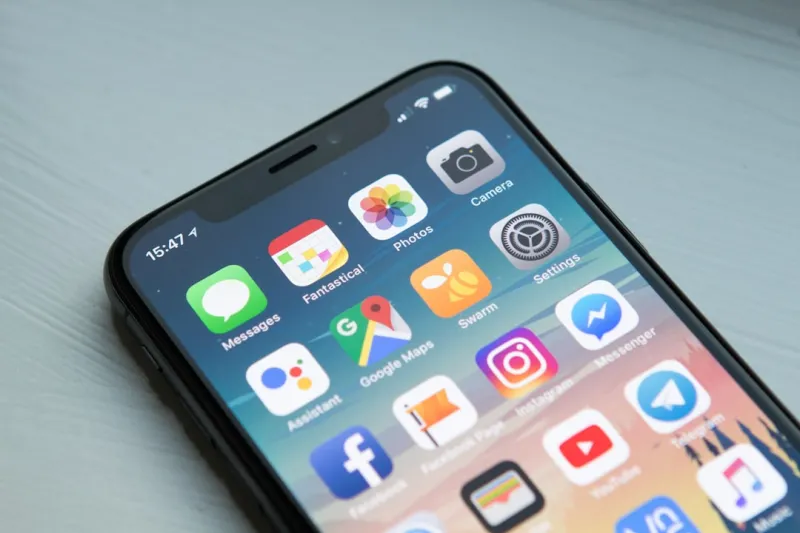
The Impact of Sustainable Mobile Apps on the Environment
The production and use of mobile apps contribute to e-waste, energy consumption, and carbon emission... Read More
Top Posts

Google’s Green Evolution: How the Search Giant Is Shaping Sustainable Content
Discover how Google’s latest AI upgrades, algorithmic green signals, and Earth Engine tools empower creators to craft sustainable content and boost eco‑frie...Read More
WordPress in 2026: Sustainable Strategies Every Site Owner Must Adopt
Learn essential 2026 WordPress tactics—green hosting, lean plugins, AI integration, and security—to boost performance while cutting carbon footprints....Read More

Revolutionizing Home Appliances: How Technology is Changing the Way We Live
Technology is revolutionizing home appliances, making them smarter, more efficient, and more sustainable. Explore the future of smart living and how it's changi...Read More

Tech Meets Sustainability: Trends Shaping 2024
Mei Chen reveals how emerging tech—from AI‑driven energy grids to sustainable gaming—are reshaping our digital world, offering actionable steps for a gree...Read More
0 Comments
Post Comment
You will need to Login or Register to comment on this post!