
Why Sustainability Is No Longer Optional in Software Development
When I first started coding, the conversation around efficiency was limited to load times and feature completeness; today, the dialogue has expanded to include carbon footprints, energy consumption, and the broader ecological impact of every line of code we write. Developers now act as custodians of both digital experiences and planetary health, balancing rapid iteration cycles with the responsibility to minimize waste across data centers, edge devices, and the sprawling ecosystems that power our apps. This shift feels like a natural evolution of our craft—one that invites us to ask not just “what can we build?” but “how can we build responsibly, without compromising performance or user delight?”
The Green Shift in Development Methodologies
Agile sprints have been infused with sustainability checkpoints, prompting teams to assess energy usage alongside velocity metrics, and I’ve seen stand‑ups where carbon estimates become a regular agenda item rather than a afterthought. By integrating tools that calculate the kilowatt‑hours consumed by CI pipelines, we can make data‑driven decisions that trim unnecessary builds and optimize resource allocation, turning sustainability into a measurable KPI that aligns with business goals. This practice not only reduces operational costs but also cultivates a culture where every engineer feels empowered to contribute to a greener tech stack.
Building With a Sustainable Toolkit
My go‑to arsenal now includes lightweight static analysis plugins, container‑sizing utilities, and cloud‑cost dashboards that surface inefficiencies before they snowball; you can explore the full list in My Go‑To Sustainable Toolkit for Everyday Makers. These tools enable us to enforce best‑practice guidelines such as “no‑sleep‑mode” containers, serverless functions that auto‑scale down during idle periods, and code linting rules that flag energy‑intensive algorithms. By embedding these checks early in the development lifecycle, we eliminate the need for costly retrofits and keep our products lean, fast, and environmentally conscious.
Designing Apps That Respect the Planet
The user experience realm has undergone a quiet revolution, where sustainable design principles are woven into wireframes, color palettes, and interaction flows; this is vividly illustrated in The Mobile App Revolution: How Sustainable Design Is Changing User Experience. Designers now prioritize dark mode not just for aesthetics but for reduced screen power consumption, and they choose vector graphics over heavy raster images to cut down on data transfer. Moreover, the adoption of progressive web apps (PWAs) enables offline functionality that lessens server calls, delivering a smoother experience while trimming the energy demand on both client and cloud.
Speed, Security, and Sustainability on the Modern Internet
The trifecta of performance, protection, and planetary stewardship is no longer a balancing act but a synergistic strategy, a theme explored in depth in Navigating the Modern Internet: Speed, Security, and Sustainability. By leveraging edge computing and CDN optimizations, we bring content closer to users, slashing latency and the power required for data travel across continents. Simultaneously, adopting zero‑trust security models reduces the need for heavyweight encryption overhead, allowing faster, greener data exchanges without compromising safety.
Cultivating a Green Mindset Within Teams
Beyond tools and processes, fostering a sustainability mindset starts with storytelling—sharing success metrics, celebrating low‑carbon releases, and highlighting the tangible impact of greener code on community resources. Regular brown‑bag sessions where developers present case studies on reduced build times or lower cloud spend reinforce that sustainability is a shared victory, not a solo endeavor. Encouraging cross‑functional collaboration between engineers, product managers, and operations leads to innovative solutions like shared code libraries that eliminate duplicate functionality and cut overall code bloat.
Measuring Impact: From Carbon Metrics to Business Value
Quantifying the environmental cost of software is now possible through platforms that translate CPU cycles, storage usage, and network bandwidth into carbon equivalents, turning abstract concepts into actionable data. Companies that publish these metrics experience heightened brand trust, as consumers increasingly demand transparency about the ecological footprint of digital services. Moreover, aligning these figures with financial reporting showcases how sustainable practices drive cost savings, creating a win‑win scenario where ecological responsibility fuels economic performance.
Emerging Trends Shaping the Future of Sustainable Software
Looking ahead, we can expect AI‑driven optimization engines that automatically refactor code for energy efficiency, as well as blockchain‑based verification systems that certify the green credentials of software releases. The rise of “green‑as‑a‑service” platforms promises turnkey solutions for carbon accounting, allowing startups to embed sustainability without building complex in‑house tools. As the industry embraces these innovations, the line between responsible development and competitive advantage will blur, making sustainability an integral part of every product roadmap.
Taking the First Step Toward a Greener Codebase
If you’re ready to embed sustainability into your development workflow, start by auditing your current pipelines for energy hotspots, adopt the tools highlighted in my sustainable toolkit, and champion transparency across your organization. Remember, every incremental improvement compounds over time, turning modest optimizations into significant environmental gains. By committing to a greener future today, we not only future‑proof our software but also contribute to a healthier planet for the generations of developers who will follow.

Lauren Miller is a true outdoors enthusiast who has found her passion in the trades. When she's not working hard on the job, you can find her writing, camping, fishing, and exploring all that nature has to offer. A dedicated partner to her wife Beth, Lauren loves nothing more than spending quality time together and experiencing the great outdoors side by side.
Related Posts
The Evolution of Sustainable Software Development
The software industry is evolving to prioritize sustainability, with a growing movement towards eco-... Read More

The Future of Sustainable Software Development
The software industry has a significant impact on greenhouse gas emissions. Learn how sustainable so... Read More
Why Sustainable Software Development Is the Next Big Thing
Discover why sustainable software is becoming essential, from carbon‑aware workflows to green arch... Read More
Top Posts
The Future of Sustainable Living: A Holistic Approach to a Greener Tomorrow
Sustainable living is not just a trend, but a necessity. Learn how to adopt a holistic approach to sustainable living and create a greener tomorrow. Read this c...Read More

Eco-Friendly Celebrations: A Sustainable Approach to Life's Special Moments
Make your celebrations more sustainable with eco-friendly tips and ideas. Learn how to reduce waste, choose sustainable food and drink, and create a positive im...Read More
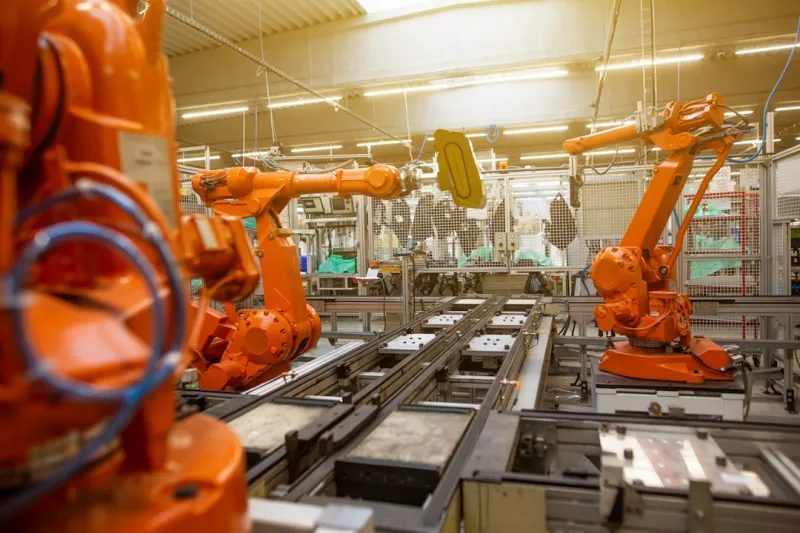
Embracing the Future of Industrial Productivity: Trends and Innovations
The industrial sector is undergoing a significant transformation, driven by technological advancements and changing market demands. Learn about the trends and i...Read More

Why Sustainable Blogging Is the Next Big Wave for Creators
In this deep dive, I share my personal journey integrating sustainability into blogging, revealing the tools, tactics, and mindset shifts that can turn a regula...Read More
0 Comments
Post Comment
You will need to Login or Register to comment on this post!