

Why Mobile Apps Have Become the Pulse of Modern Life
When I first cracked open a smartphone in the early days, the idea of carrying an entire ecosystem in my pocket felt like science fiction, yet today it’s the baseline expectation that defines how we shop, learn, and connect. The speed at which users demand new features—instant payment, seamless video, AI‑driven recommendations—has turned app development into a relentless sprint, where every release must feel like a fresh breath of air in a crowded marketplace. This pressure cooker environment forces creators to ask not just “what can we build?” but “how can we build it responsibly while still delighting the user?” and that question is reshaping the very DNA of the mobile experience.
The Sustainability Shift: From Green Buzzwords to Core Code
In the past, sustainability was often tacked on as a marketing afterthought, a badge on an app store screenshot that few users ever noticed; today, it’s an integral part of the product roadmap, influencing everything from server architecture to UI animation loops. Engineers are now measuring the carbon cost of each API call, optimizing image assets to reduce data transfer, and even selecting third‑party services that commit to renewable energy—because every kilobyte saved translates into measurable environmental impact. By embedding these considerations early, we create a virtuous cycle where performance gains align with eco‑friendly outcomes, making the app faster for the user and lighter on the planet at the same time.
Data Privacy Meets Eco‑Conscious Design
While sustainability addresses the planet, privacy safeguards the individual, and the two are increasingly intertwined in the mobile arena; an app that leaks data not only erodes trust but also consumes extra bandwidth as users scramble to fix breaches, indirectly inflating its carbon footprint. My own journey toward balancing these priorities led me to study the principles laid out in Online Safety Meets Sustainable Living: A Personal Playbook, where the author demonstrates how encrypted local storage, minimal data retention, and transparent consent dialogs can simultaneously protect users and trim unnecessary server load. When developers adopt privacy‑by‑design alongside green‑by‑design, they craft a product that feels safe, efficient, and ethically sound, resonating deeply with a generation that refuses to compromise on either front.
Building with a Sustainable Toolkit
One of the most powerful shifts I've observed is the rise of open‑source libraries that prioritize low‑energy consumption, such as lightweight UI frameworks and serverless functions that spin up only when needed, reducing idle power draw. By curating a personal set of these tools—much like the collection highlighted in My Go‑To Sustainable Toolkit for Everyday Makers—developers can accelerate their workflow while staying true to eco‑principles, avoiding the temptation to default to heavyweight, resource‑hungry solutions. This approach also encourages a community mindset, where sharing optimizations becomes as valuable as releasing new features, fostering collaboration that pushes the entire industry toward greener standards.
The Rise of Green‑First UX Patterns
Designers are now mapping user journeys with an eye on energy consumption, opting for darker color palettes that reduce screen power draw, limiting background refresh rates, and providing users with clear controls to pause data‑intensive processes. These subtle yet impactful choices not only extend battery life—a direct benefit to the end‑user—but also contribute to lower aggregate energy usage across millions of devices, a factor that becomes significant at scale. By making sustainability an explicit part of the user experience, we empower individuals to make environmentally conscious decisions without sacrificing the sleek, intuitive feel they expect from modern apps.
AI, AR, and the Next Frontier of Sustainable Interaction
The integration of artificial intelligence and augmented reality into mobile apps promises richer, more immersive experiences, yet it also threatens to balloon computational demands if not managed wisely. Smart developers are leveraging on‑device AI models that run locally, cutting down the need for constant cloud communication and thus slashing data traffic and associated emissions. Similarly, AR experiences are being designed with adaptive quality settings that scale graphics based on battery health, ensuring that the magic remains accessible without draining resources—a balance that reflects a mature understanding of both user delight and planetary stewardship.
Community Feedback Loops: Turning Users into Co‑Creators
In my own practice, I’ve found that involving the user community early in the development cycle yields insights that dramatically improve both sustainability and usability; crowdsourced testing can highlight unexpected power drains, while user‑generated suggestions often inspire lightweight alternatives to heavy features. Platforms that embed feedback channels directly within the app—think in‑app surveys, beta programs, or sustainability scorecards—transform passive consumers into active stakeholders, fostering a sense of shared responsibility for the app’s environmental impact. This collaborative model not only refines the product but also builds brand loyalty rooted in transparency and collective purpose.
Practical Steps for Developers Ready to Go Green
If you’re standing at the crossroads of launching a new app or revamping an existing one, start by auditing your current codebase for inefficiencies: eliminate redundant network calls, compress assets, and switch to progressive web app technologies where feasible. Next, adopt a continuous monitoring solution that tracks real‑time energy consumption, allowing you to set measurable targets and celebrate incremental wins. Finally, share your sustainability journey publicly—whether through a dedicated “green” section in your app store listing or a blog post—because visibility inspires industry peers and educates users about the hidden benefits of eco‑friendly design, echoing the sentiment of The Must‑Have Sustainable Toolbox for Modern Creators.
Looking Ahead: A Mobile Landscape Powered by Purpose
The future of mobile apps lies not merely in adding more features but in embedding purpose at the core of every line of code, every pixel, and every data packet, crafting experiences that are as kind to the user as they are to the planet. As developers, marketers, and everyday users, we hold the collective power to demand and deliver technology that respects privacy, conserves energy, and champions sustainability—a trifecta that will define the next generation of digital products. By embracing this mindset today, we set the stage for a mobile ecosystem where innovation and responsibility move hand in hand, ensuring that the apps we love continue to enrich our lives without compromising the world we share.

David Moore is a freelance writer specializing in two dynamic and ever-evolving fields: gambling and the tech industry. With a keen eye for detail and a knack for unraveling complex topics, David delivers insightful and engaging content that keeps readers informed and entertained.
Related Posts
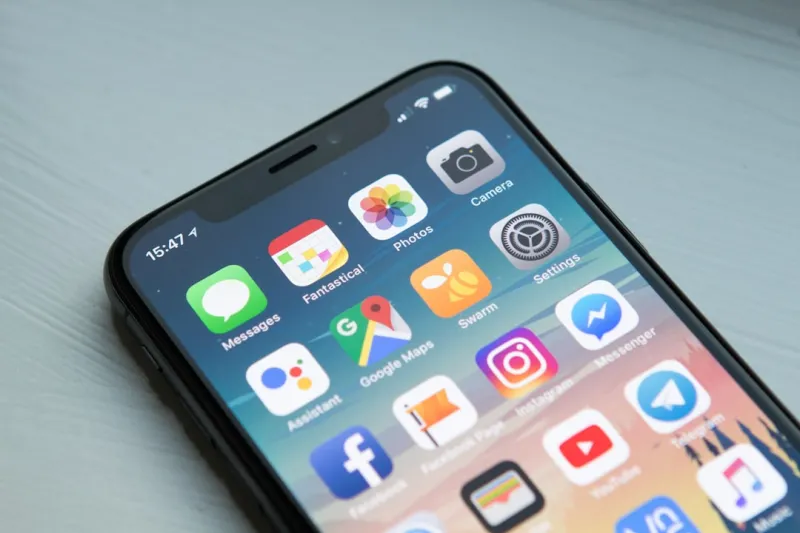
The Impact of Sustainable Mobile Apps on the Environment
The production and use of mobile apps contribute to e-waste, energy consumption, and carbon emission... Read More

The Role of Mobile Apps in Promoting Sustainable Living
Mobile apps are playing a vital role in promoting sustainable living by providing users with tools a... Read More

Why Mobile Apps Are the Next Frontier for Sustainable Tech
Explore the rise of eco‑friendly mobile apps, from energy‑smart design to sustainable monetizati... Read More
Top Posts
Reinventing Industrial Products for a Sustainable Future
Industrial products are undergoing a quiet revolution: modular design, clean power, and AI-driven efficiency are turning factories into sustainable innovators. ...Read More

Branding in the Green Era: How Authentic Storytelling Fuels Sustainable Growth
Dale Peterson shares a fresh perspective on modern branding, showing how authentic storytelling, data‑driven narratives, and AI can build eco‑focused brands...Read More
Law Meets Green: How Sustainability is Reshaping Legal Practice in 2024
David Moore breaks down the legal ripple effects of sustainability, from ESG disclosures to greenwashing lawsuits, showing why lawyers must master climate law...Read More

Why Sustainable Storytelling Is the Future of Content Marketing
Michelle Fisher shares how authentic, sustainability‑centered content transforms brand trust, drives organic reach, and positions marketers for long‑term su...Read More
0 Comments
Post Comment
You will need to Login or Register to comment on this post!