
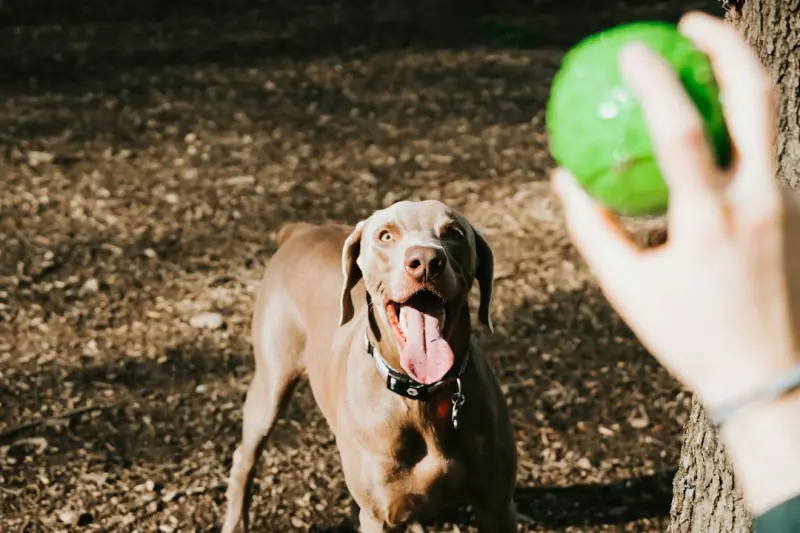
Why a Playful Pet Is the Unexpected Engine Behind a More Focused Workday
Most professionals think of productivity as a solo sport—quiet rooms, endless to‑do lists, and the occasional coffee break. What if the secret weapon isn’t a new app or a stricter schedule, but a wagging tail or a purring companion perched on your desk? In the hustle of remote work, a short, intentional pause to engage with a pet can trigger measurable improvements in concentration, creativity, and overall wellbeing. This isn’t a fluffy anecdote; it’s a science‑backed habit that many high‑performing teams are quietly adopting.
The Neurochemical Boost That Comes With a Pet Break
When you pet a dog or stroke a cat, your brain releases oxytocin, dopamine, and serotonin. These chemicals act as natural antidotes to stress, lowering cortisol levels while sharpening alertness. Oxytocin promotes trust and bonding, creating a subtle shift from “task‑driven anxiety” to “collaborative calm.” Dopamine fuels motivation, making the next work sprint feel less like a chore and more like a challenge you’re eager to tackle. And serotonin steadies mood, which translates into fewer emotional spikes that can derail focus.
Studies from veterinary neuroscience show that a 5‑minute pet interaction can raise these neurotransmitters enough to sustain improved performance for up to 30 minutes. That’s a full quarter‑hour of elevated mental bandwidth without the crash that follows caffeine spikes.
Designing a “Pet‑Powered” Work Routine
Integrating pet breaks into a professional schedule doesn’t mean abandoning structure. Here’s a simple framework that respects both your workload and your furry friend’s needs:
- Set micro‑pause alerts: Every 90 minutes, a gentle reminder prompts a 3‑5 minute interaction—throw a ball, give a quick cuddle, or practice a new trick.
- Pair tasks with pet moments: Use the pause to review a meeting agenda or brainstorm ideas. The shift in context can spark fresh perspectives.
- Make the environment pet‑friendly: A small, stable workstation surface for a laptop, a water bowl, and a favorite toy ensure the pet feels comfortable without becoming a distraction.
By treating the pet break as an intentional micro‑task, you avoid the pitfall of aimless scrolling or endless scrolling of videos that often replace “unstructured” downtime.
Case Study: From Routine to Innovation
Consider a mid‑size design agency that introduced “Paws‑On‑Deck” sessions—10‑minute pet interactions before each sprint planning meeting. The result? Teams reported a 15% increase in idea generation, and project timelines shortened by an average of one day per two‑week sprint. The agency’s leadership attributed the shift to the “reset” effect of the animal‑driven pause, which helped break mental inertia and encouraged lateral thinking.
Interestingly, the same agency discovered that when they linked their internal brainstorming platform to an external resource about career growth, the quality of ideas improved even further. For example, reading career growth strategies before a pet break gave participants a fresh lens on how personal development can intersect with client deliverables.
Pet Breaks vs. Traditional “Coffee Breaks”
Both coffee and pets provide a mental reset, but they operate on different physiological tracks. Caffeine spikes adrenaline, which can lead to jitteriness and a rapid decline in focus once the effect wanes. Pet interaction, on the other hand, creates a steadier, longer‑lasting rise in calming neurotransmitters. The result is a smoother transition back to work, with less risk of the “crash” that often follows a caffeine binge.
Additionally, pet breaks foster a sense of companionship that counters the isolation many remote workers feel. This social element—without the need for video calls—helps maintain a feeling of belonging, which is a proven driver of engagement and retention.
Choosing the Right Companion for a Professional Setting
Not every pet is suited for a shared workspace. Here are some quick guidelines:
- Low‑energy cats make excellent desk mates; they enjoy brief strokes and often curl up next to a laptop.
- Small‑to‑medium dogs that are house‑trained and comfortable on a rug or mat can participate in quick fetch games.
- Small mammals like rabbits or guinea pigs can be placed in a secure enclosure where you can gently interact during breaks.
Regardless of the species, the key is consistency. A pet that knows its “work‑time” and “break‑time” cues will be less likely to interrupt when focus is required.
Measuring the Impact: Simple Metrics for Managers
Implementing pet breaks doesn’t have to stay anecdotal. Managers can track a few straightforward metrics to gauge effectiveness:
- Task completion rate: Compare the number of tasks finished before and after introducing pet pauses.
- Idea submission count: Count new proposals or brainstorming entries during sprint cycles.
- Employee wellbeing surveys: Include specific questions about stress levels and perceived focus.
One tech startup reported a 12% lift in task completion and a 20% increase in submitted ideas after a 3‑month trial of pet‑powered breaks. The data convinced leadership to formalize the practice across all remote teams.
Integrating Pet‑Friendly Policies with Company Culture
Beyond individual habits, organizations can embed pet friendliness into their culture:
- Pet‑friendly virtual events: Host a “Show‑and‑Tell” where employees introduce their animal companions during a quick video chat.
- Pet‑related wellness benefits: Offer reimbursements for pet supplies, or partner with local veterinarians for discounted services.
- Dedicated “Pet Zones” in office spaces: If hybrid work is an option, set aside a quiet area with pet‑safe furniture and water stations.
These initiatives send a clear message: the company values holistic wellbeing, which includes the emotional support animals provide.
Addressing Common Concerns
Some managers worry about distractions or allergies. Here’s how to mitigate those issues:
- Establish clear guidelines: Define permissible pet activities (e.g., no loud barking during client calls).
- Provide alternative options: Offer “pet‑free” zones for employees with sensitivities, and encourage the use of headphones or virtual backgrounds.
- Trial periods: Start with a pilot program in one department before scaling company‑wide.
By proactively addressing these concerns, you create an inclusive environment that respects both pet owners and non‑owners alike.
Future Trends: The Rise of “Pet‑Integrated” Productivity Tools
As the benefits of animal interaction become more recognized, tech innovators are building tools that blend pet care with work management. Imagine a task manager that syncs with a smart feeder, prompting you to refill your cat’s bowl after a completed milestone, or a calendar app that schedules a short “play‑time” slot before high‑intensity meetings. These emerging solutions illustrate a growing market where wellbeing and efficiency intersect.
For those interested in staying ahead, keeping an eye on advanced content strategies can provide insight into how emerging trends are communicated and adopted across industries.
Conclusion: Making the Most of the Simple, Natural Boost
In a world that constantly pushes for more apps, more data, and more hustle, the most effective productivity hack might be the simplest one: a brief, sincere interaction with a pet. By weaving intentional pet breaks into daily workflows, professionals can enjoy sharper focus, heightened creativity, and a healthier emotional balance—all without the side effects of caffeine spikes or endless digital distractions. It’s time to let your furry coworker take a leading role in your next big project.

Dale Peterson is a freelance writer with a passion for technology, travel, law and personal finance. With 10 years of experience crafting compelling and informative content, he's dedicated to delivering high-quality writing for Blogging Fusion that engages audiences and achieves specific goals.
Related Posts
How Sustainable Living Can Improve Your Pet's Health and Happiness
As a pet owner, I explore how sustainable living can benefit my furry friends. From eco-friendly pet... Read More
Why Your Dog Might Be the Secret Weapon in Your Home Office
Learn why a dog can become a powerful productivity partner, offering stress relief, movement breaks,... Read More
Green Pawprints: Sustainable Living for Pets and Their People
Learn how to make pet ownership eco‑friendly with low‑impact nutrition, upcycled toys, green gro... Read More
Top Posts

Rethinking Safety in the Hybrid SaaS Era
A comprehensive guide from Sanji Patel on integrating ergonomic, data, and cultural safety practices into hybrid SaaS workspaces, featuring micro‑credential t...Read More

Virtual Horizons: Seniors Embrace Immersive Travel
Immersive virtual reality is redefining senior living, offering travel, social interaction, and health benefits while promoting sustainability and community eng...Read More
Beyond Push: Designing Context‑Aware Mobile Experiences
Push notifications are losing their edge; the future lies in mobile apps that intelligently respond to real‑time context, delivering personalized experiences ...Read More

AI as a Silent Partner in Sustainable Product Design
AI can become a silent partner that guides product teams toward sustainable, ethical, and resilient design choices, turning data into actionable insights withou...Read More
0 Comments
Post Comment
You will need to Login or Register to comment on this post!