
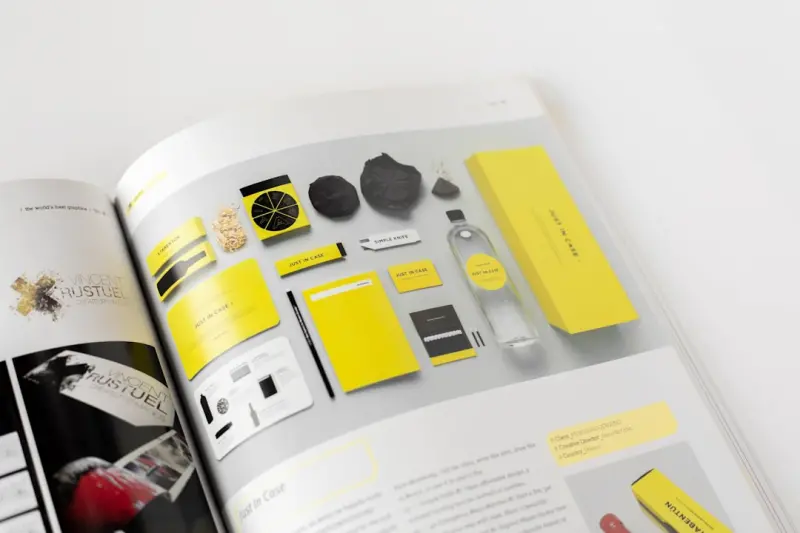
Beyond Logos: The Rise of Sensory Branding
When you think about a brand, the first thing that usually comes to mind is a logo or a color palette, but the most enduring impressions are forged through the senses that we rarely notice until they disappear, because the brain stores sensory cues as emotional shortcuts that can summon a feeling faster than any tagline ever could. A single whiff of citrus in a retail space can trigger the same neural pathway that a familiar jingle does on a radio, and together they build a layered memory that tells your brain, “this is home,” even when the visual identity is out of sight, proving that the invisible layer of experience is the true engine of brand loyalty. That invisible layer is what I call sensory branding, and mastering it means you can embed your story into a customer’s memory the way a favorite song becomes a lifelong soundtrack, turning casual encounters into habitual devotion without the consumer ever realizing why they keep coming back.
The Hidden Power of Scent, Sound, and Texture
Our noses are wired for instant judgment, so a subtle fragrance can convey a brand’s personality faster than a mission statement, whether it’s the warm vanilla of a boutique bakery that whispers comfort or the crisp pine of an outdoor gear company that whispers adventure, and this aromatic cue silently reinforces the brand promise at every touchpoint. Ears, too, are powerful conduits of emotion; a carefully composed sound logo or ambient playlist can set the tempo of a shopper’s journey, slowing the pace for a luxury boutique or energizing a gym’s atmosphere, and research shows that sound can increase perceived value by up to 20 percent when it aligns with visual cues. Meanwhile, the sense of touch—often overlooked in digital‑first strategies—offers a tactile handshake that tells users whether a product is premium or disposable, from the buttery smoothness of a high‑end phone case to the textured grain of an artisanal coffee sleeve, and integrating texture into packaging or interior design creates a physical reminder that keeps the brand top‑of‑mind long after the purchase.
Auditing Your Brand for Sensory Gaps
The first step toward a fully sensory brand experience is a meticulous audit of every customer interaction, from the moment a prospect lands on your website to the instant they unwrap the product at home, because missing sensory cues are opportunities where competitors can silently win the subconscious battle. Map each touchpoint—digital, physical, and human—and ask whether it engages sight, smell, sound, touch, or taste; if a gap appears, note the emotional intent you want to evoke and brainstorm a sensory element that could fill it, such as a background audio track for an app onboarding or a signature scent for a pop‑up shop. Finally, prioritize the gaps based on impact and feasibility, starting with low‑cost high‑return fixes like adding a branded playlist to your store or customizing the texture of your shipping boxes, because even small sensory upgrades can cascade into larger brand equity gains over time.
Infusing Scent into Your Physical Presence
To embed scent effectively, begin with a clear brand‑aligned fragrance brief—choose notes that echo your core values, whether it’s fresh sea‑salt for a coastal lifestyle brand or rich leather for a heritage fashion house, and work with a professional scent designer to create a proprietary blend that can be diffused subtly throughout your spaces, ensuring the aroma never overwhelms but rather whispers in the background. Next, integrate the fragrance into the built environment using discreet diffusers placed near high‑traffic zones like entryways, fitting rooms, or checkout counters, and calibrate the intensity so the scent remains detectable without becoming a distraction, because consistency across locations builds a reliable olfactory cue that customers associate with your brand. Finally, extend the scent into packaging by infusing the same fragrance into tissue paper, boxes, or even product inserts, turning the unboxing moment into a multi‑sensory ritual that reinforces the brand story long after the visual packaging is discarded.
Designing Soundscapes for Digital and In‑Store Moments
Sound design begins with a sonic brand identity—think of a simple three‑note motif, a specific tempo, or a curated genre that mirrors your brand’s personality, and once you have that audio signature, weave it consistently across every auditory channel, from website background music to hold‑music on phone lines, ensuring each note feels like a familiar friend greeting the customer. In digital experiences, pair subtle sound cues with key actions such as a soft chime when a cart is updated or a gentle whoosh when a page loads, because these micro‑interactions not only provide feedback but also reinforce the brand’s rhythm, making the journey feel intentional and cohesive. In physical stores, curate a playlist that aligns with the time of day and shopper behavior—upbeat tracks during peak hours to energize crowds, and mellow tones during slower periods to encourage browsing—while also considering acoustic treatments that manage echo and noise, creating an environment where the sound itself feels like a carefully crafted extension of the brand narrative.
Leveraging Texture to Create Tangible Brand Memories
Texture translates abstract brand values into concrete, tactile experiences, so start by defining the tactile adjectives that best describe your brand—smooth, rugged, plush, matte—and then select materials that embody those descriptors for every physical touchpoint, from business cards printed on heavyweight cotton‑lined stock to product packaging wrapped in soft, matte finishes that feel as premium as the contents inside. Incorporate texture not only in packaging but also in the retail environment; for instance, install reclaimed wood tables in a boutique that sells sustainable goods, or use brushed metal fixtures in a tech showroom, because the physical feel of these surfaces sends subconscious signals about quality, authenticity, and care. Finally, consider how texture can extend to digital interfaces through haptic feedback on mobile apps—subtle vibrations when a user completes a purchase or a gentle pulse when a notification arrives—because even virtual touch points can echo the physical world, creating a cohesive brand experience that lives in both the mind and the fingertips.
Case Study: A Boutique Coffee Brand’s Sensory Overhaul
When a boutique coffee roaster approached me, their visual branding was strong—rich browns, elegant typography, and sleek packaging—but sales plateaued because customers couldn’t feel the brand beyond the bag, so we embarked on a full sensory makeover that began with a custom coffee‑house scent composed of roasted beans, warm cinnamon, and a hint of caramel, diffused subtly in their flagship store to evoke the comforting aroma of a home kitchen. We then introduced a signature soundscape: a low‑key acoustic playlist featuring soft guitar riffs and the gentle hiss of steaming milk, layered beneath the ambient chatter, which slowed the pace of browsing and encouraged linger time, ultimately increasing average transaction value by 12 percent. Finally, we reimagined the packaging texture by using a matte, soft‑touch sleeve that mimics the feel of a coffee bean pod, paired with a textured label that feels like a fine‑grained parchment, turning the unboxing into a ritual that customers shared on social media, driving organic buzz and solidifying the brand’s identity in the sensory memory of every coffee lover.
Connecting Sensory Branding to Community Building
When you embed scent, sound, and texture into your brand, you create a shared experience that naturally fuels conversation, turning customers into advocates who describe the “feel” of your brand in their own words, and this word‑of‑mouth momentum can be amplified by tapping into niche tribe branding strategies that bring together people who already resonate with your sensory cues, creating micro‑communities that celebrate the brand’s unique atmosphere. Additionally, the multisensory experience provides fertile ground for conversational commerce techniques, as chatbots and live agents can reference the signature scent or playlist during interactions, making the dialogue feel personalized and reinforcing the sensory narrative at every digital touchpoint. By weaving these sensory threads into both the physical and conversational layers of your brand, you not only deepen emotional attachment but also cultivate a loyal tribe that actively participates in spreading the brand story, turning ordinary customers into brand storytellers who carry the experience beyond the store walls.
Actionable Checklist for Immediate Implementation
Start today by selecting one sensory element that aligns with your brand promise—choose a scent, a short sound cue, or a tactile material—and prototype it in a low‑risk environment such as a pop‑up event or a limited‑edition product batch, measuring customer reactions through surveys and in‑store observations to gauge emotional impact before scaling. Next, create a sensory style guide that documents the chosen fragrance notes, audio motifs, and material finishes, ensuring every department—from marketing to product development—applies them consistently across all channels, because uniformity turns a single sensory moment into a recognizable brand signature. Finally, schedule quarterly reviews of your sensory assets, inviting cross‑functional teams to brainstorm fresh iterations that keep the experience relevant and exciting, and remember that the goal is not to overwhelm but to subtly reinforce the brand narrative at every point of contact, transforming each interaction into a memorable chapter of your brand’s story.

Freelance writer with a flare for everything. I am passionate about topics I write crafting stories and compelling content that connect with audiences. Journeying through the realms of creativity as a freelance creator. #WriterLife #ContentCreator
Related Posts
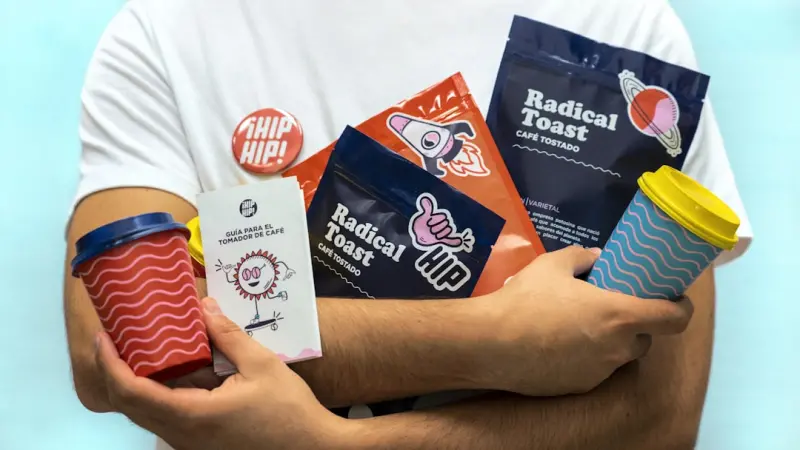
Branding the Human Side of SaaS: Crafting Authentic Voice in a Data-Driven World
A deep dive into creating genuine SaaS branding by aligning culture, voice, and customer experience,... Read More
Branding in the Green Era: How Authentic Storytelling Fuels Sustainable Growth
Dale Peterson shares a fresh perspective on modern branding, showing how authentic storytelling, dat... Read More
The Hidden Currency of Brand Authenticity: Turning Trust Into Tangible Value
Explore the concrete steps to turn brand authenticity into a valuable trust ledger, leveraging data,... Read More
Top Posts
Edge‑Powered Mobile Apps: Turning On‑Device Computing into a Business Advantage
Edge computing brings processing closer to the user, slashing latency, enhancing offline reliability, and reducing cloud costs. This post outlines practical ste...Read More

The Evolution of Eco-Friendly WordPress Plugins
Eco-friendly WordPress plugins are changing the game, promoting sustainability and reducing environmental impact. Learn about the evolution, benefits, and futur...Read More

Designing Spaces That Tell Your Story: A Fresh Take on Interior Narrative
Discover the art of narrative interior design, from sustainable materials and biophilic touches to upcycled DIY pieces, turning every room into a personal story...Read More

Beyond Passwords: A Holistic Approach to Modern Security
Discover how a balanced security mindset—combining tech safeguards, daily routines, and mindful choices—creates stronger protection for both your data and y...Read More
0 Comments
Post Comment
You will need to Login or Register to comment on this post!