

When I first stepped onto a factory floor twenty‑something years ago, the clatter of steel and the smell of hot oil were the only “data” I could sense. Today, the hum of sensors, the glow of AR headsets, and the silent chatter of edge processors tell a story that no human ear could ever hear. The industrial landscape is undergoing a quiet revolution—one that isn’t about swapping out a motor for a newer model, but about re‑thinking how people, machines, and information coexist.
From “Hard” to “Smart”: The Human‑Centric Pivot
Industrial products have always been about durability, reliability, and raw performance. Yet the biggest competitive edge now lies in human‑centric intelligence. Workers are no longer just operators; they are co‑pilots, guided by augmented reality (AR) overlays that surface the right instruction at the exact moment it’s needed.
Imagine a technician tasked with calibrating a high‑precision hydraulic press. Instead of flipping through a 300‑page manual, a lightweight AR visor projects a step‑by‑step visual guide directly onto the equipment. The system knows the exact model, its maintenance history, and even warns of potential pitfalls based on real‑time vibration analytics. This shift from “hard” to “smart” equipment transforms downtime into an opportunity for on‑the‑spot learning.
The Rise of Immersive Training Platforms
Training has traditionally been a costly, time‑consuming affair: classrooms, printed guides, and a handful of apprentices shadowing seasoned veterans. Immersive XR (extended reality) platforms are turning that model on its head. By creating a fully simulated environment that mirrors the physical plant, companies can:
- Accelerate onboarding – New hires can practice complex procedures without risking expensive equipment.
- Standardize best practices – Every trainee receives the same high‑fidelity experience, eliminating the variability of “learn on the job.”
- Capture performance metrics – The system records each interaction, allowing managers to identify skill gaps before they manifest on the shop floor.
When I piloted an XR training module for a mid‑size pump manufacturer, we cut average certification time from four weeks to ten days, while error rates during the first month of live production dropped by 30 %.
Zero‑Trust Security for the Industrial Edge
All that connectivity, however, opens a new attack surface. Traditional perimeter‑based security models crumble when sensors, controllers, and AR devices are constantly talking to each other across both wired and wireless networks. A zero‑trust framework—where every device, user, and data flow is continuously verified—has become non‑negotiable.
Implementing zero‑trust in a factory means:
- Device attestation – Each sensor proves its identity before transmitting data.
- Micro‑segmentation – Network zones are isolated so that a breach in one area can’t cascade across the entire plant.
- Continuous monitoring – AI‑driven analytics flag anomalous behavior in real time, prompting instant remediation.
While the concept sounds daunting, the payoff is clear: reduced risk of costly production halts, protection of intellectual property, and compliance with increasingly strict industry regulations.
Data Mesh: Decentralizing Insight
Industrial data is notoriously siloed—production metrics live on the PLC, quality data on the MES, and supply‑chain figures in ERP systems. A data mesh architecture flips this model by treating data as a product, owned by cross‑functional domain teams.
In practice, each domain (e.g., machining, assembly, logistics) publishes well‑documented data APIs that any other team can consume. This democratization enables:
- Faster innovation cycles – Engineers can blend machining efficiency data with logistics lead‑time insights to redesign workflow bottlenecks in weeks instead of months.
- Improved data quality – Domain owners are accountable for the cleanliness and reliability of their datasets.
- Scalable governance – Central policies are applied uniformly across the mesh without stifling autonomy.
Adopting a data mesh is not a one‑size‑fits‑all solution; it requires cultural buy‑in and a robust cataloging toolset. Yet the organizations that succeed find themselves able to pivot quickly in response to market shifts.
Energy Intelligence: Turning Watts into Wins
Energy costs remain a top line‑item for manufacturers worldwide. The next frontier is energy intelligence—real‑time, granular visibility into power consumption across every motor, conveyor, and HVAC unit.
By coupling high‑resolution power meters with edge AI, factories can:
- Detect abnormal spikes that indicate equipment wear.
- Automatically adjust motor speeds during low‑demand periods.
- Predict peak load events and pre‑emptively negotiate demand‑response incentives with utilities.
A case study I consulted on showed a 12 % reduction in annual electricity use after deploying an edge‑based analytics platform that orchestrated load‑shedding during non‑critical processes.
Linking Back to the Bigger Picture
These trends don’t exist in isolation. For instance, the push toward circular supply chains gains momentum when products are designed for easy disassembly—something that immersive training can accelerate by teaching workers the exact steps to separate components without damage. Likewise, the move toward edge‑first architectures underpins both zero‑trust security and energy intelligence, delivering low‑latency insights while keeping data local.
Leadership Lessons: Cultivating an Adaptive Culture
Technology alone won’t drive transformation; leadership must nurture an adaptive culture. Here are three practices I’ve seen work:
- Celebrate small wins. When a team reduces setup time by 15 % using AR guidance, shout it from the intranet. Recognition fuels momentum.
- Empower cross‑functional squads. Pair a data engineer with a line supervisor. Their combined perspective uncovers insights that siloed teams miss.
- Invest in continuous learning. Subscription‑based learning platforms keep skillsets fresh, ensuring workers can leverage new tools as they roll out.
By aligning people, processes, and platforms, manufacturers can turn the inevitable disruptions of the digital age into competitive advantages.
Looking Ahead: The Human‑Machine Symphony
We stand at a crossroads where industrial products are no longer static assets but dynamic participants in an ecosystem of data, cognition, and human expertise. The future isn’t a world where robots replace humans; it’s a symphony where each instrument—be it a seasoned mechanic, a predictive algorithm, or an AR visor—plays its part in harmony.
If you’re reading this from a plant manager’s office, a CTO’s boardroom, or a workshop bench, the invitation is the same: start small, iterate fast, and let your people be the north star that guides technology adoption. When the right balance is struck, the clatter of the old factory floor gives way to a rhythmic, data‑driven cadence—one that propels productivity, sustainability, and resilience into the next industrial era.

Paul Flynn is a versatile freelance writer equipped with a diverse skillset and a portfolio that reflects his wide-ranging interests and expertise. From crafting compelling website copy and engaging blog posts to delivering in-depth articles and meticulously researched reports, Flynn demonstrates a remarkable ability to adapt his writing style to suit various audiences and purposes.
Related Posts
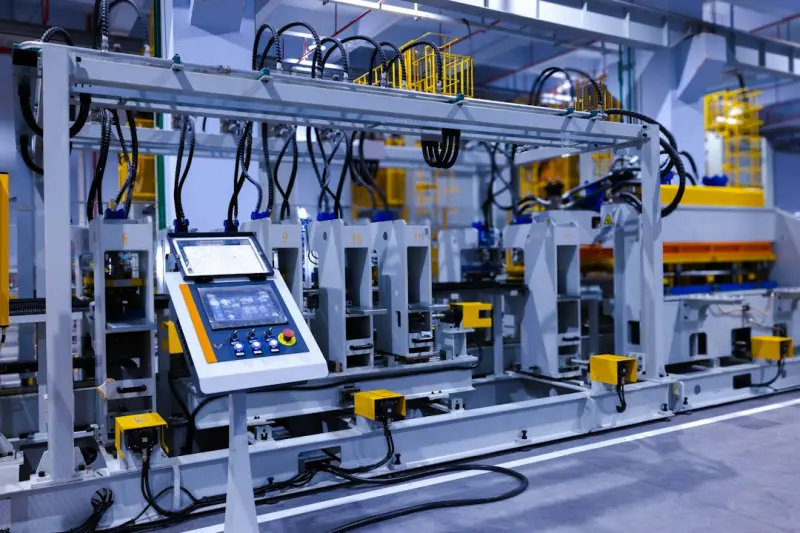
Why Industrial Products Need a Digital Twin Mindset Today
A deep dive into the digital twin mindset reveals how real‑time data, AI, and a culture of continu... Read More
How Digital Twins Are Reinventing Industrial Product Lifecycles
Digital twins transform physical assets into living data models, enabling predictive maintenance, ex... Read More
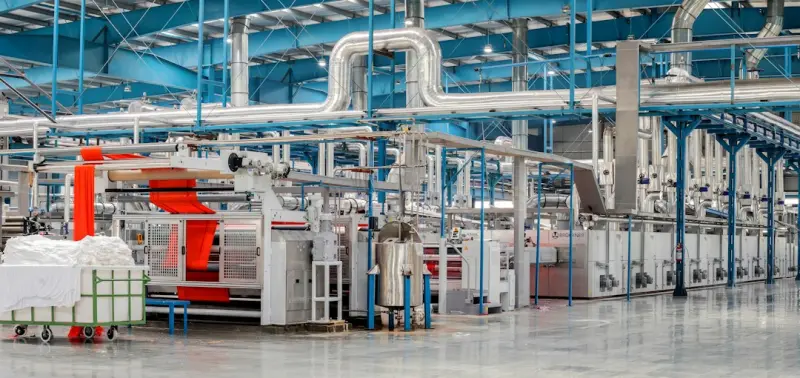
Edge Intelligence: Reimagining Industrial Products for Real‑Time Value
Edge intelligence turns industrial products from passive assets into active decision‑makers, enabl... Read More
Top Posts

The Power of Eco-Cleaning: A Sustainable Approach to a Healthier Home
Learn how to make the switch to eco-cleaning and create a healthier, more sustainable home. Discover the benefits of eco-friendly cleaning products and practice...Read More

Powering the Remote Workforce: How Micro‑Grids Are Redefining Office Energy
The post reveals how micro‑grids and Energy-as-a-Service are reshaping energy consumption for remote teams, offering resilience, cost savings, and a path to c...Read More

From Corporate Comfort to Sustainable Success: Laura Wilson’s Blueprint for a Green Career Pivot
Laura Wilson shares her personal roadmap for turning a traditional corporate job into a sustainable, AI‑focused career, offering actionable steps, mindset shi...Read More

When “Free” Becomes a Trap: Spotting SaaS Subscription Scams Before They Cost You
A deep dive into the rise of SaaS subscription scams, detailing how they exploit recurring billing, automation, and remote work, and offering actionable steps t...Read More
0 Comments
Post Comment
You will need to Login or Register to comment on this post!