

When I first became a dad, I thought parenting was a series of checklists: bedtime routines, school pickups, and the ever‑present quest to keep the house from looking like a tornado hit a toy store. Fast‑forward a few years, and the reality feels less like a to‑do list and more like a constantly evolving improvisational performance. The secret to staying sane (and actually enjoying the chaos) isn’t about tightening schedules or mastering the “perfect” bedtime story—it’s about deliberately giving kids room to stumble, experiment, and even fail.
Why Failure Can Be a Gift, Not a Curse
We live in a culture that idolizes flawless achievement. From the moment toddlers start scribbling on walls, parents instinctively step in to “help,” turning a simple task into a collaborative effort. While that instinct is loving, it can unintentionally rob children of a crucial learning moment: the experience of trying, making mistakes, and figuring out how to correct them.
When kids are allowed to wrestle with a problem on their own—whether it’s building a tower that inevitably collapses or figuring out how to tie their shoes—they develop a mental muscle that no amount of praise can substitute. This muscle is called resilience. Resilience isn’t about being unbreakable; it’s about bouncing back, re‑evaluating, and trying again with fresh insight.
From “I Can’t” to “I’ll Figure It Out”
One practical way to nurture this mindset is to replace the reflexive “Can I help you?” with a more open‑ended invitation: “What do you think we could try next?” This subtle shift does three things:
- It validates effort. Kids feel heard for the work they’ve already put in, rather than being judged on the outcome.
- It sparks problem‑solving. By prompting them to consider alternatives, you’re training them to think laterally.
- It builds confidence. When they finally succeed—whether on the first try or the tenth—they own the victory.
In my own household, we’ve turned the simple act of assembling a bookshelf into a mini‑engineer’s workshop. The kids get the instruction manual (or a picture of it), a pile of screws, and a promise: “If you get stuck, we’ll brainstorm together.” The result? A slightly wobbly shelf, a few extra screws, and a massive surge of pride from our youngest.
Leveraging Everyday Moments for “Mini‑Experiments”
Parents don’t need a lab coat or a whiteboard to run experiments. The kitchen, the backyard, and even the living‑room couch are perfect arenas for low‑stakes discovery. Here are three everyday “mini‑experiments” that turn routine chores into learning opportunities:
- Cooking as Chemistry. Invite your child to measure out ingredients, observe how a batter changes texture, and predict the outcome of adding an extra pinch of spice. The kitchen becomes a safe space for hypothesis testing.
- Gardening as Ecology. Let them plant a seed, water it, and track its growth over weeks. When a plant wilts, ask what conditions might have caused it and brainstorm how to improve the environment.
- Household Repairs as Engineering. A squeaky door or a loose knob can become a lesson in leverage, torque, and tool safety. Hand them a child‑friendly screwdriver and watch them approach the problem with a mix of curiosity and caution.
These activities have the added benefit of breaking the monotony of “parent‑to‑child instruction” and fostering a collaborative atmosphere where learning feels natural.
Balancing Guidance with Independence
One of the biggest challenges is finding the sweet spot between stepping in and stepping back. Too much involvement can stifle creativity; too little can leave a child feeling abandoned. My rule of thumb is the “Three‑Minute Rule.” When a child is stuck, give them three minutes to wrestle with the problem alone. If the frustration builds, pause, breathe together, and then discuss possible strategies.
During those three minutes, you might notice the child silently talking to themselves, trying different approaches. That internal dialogue is a sign of emerging self‑regulation—a skill that will serve them well beyond the playground.
When the Whole Family Joins In
Family dynamics play a huge role in how children perceive failure. If older siblings see the parents encouraging a younger one to keep trying, they internalize that attitude. Conversely, if the household instantly swoops in to fix every mishap, the message becomes “I’m not capable without help.”
One weekend, we turned our living room into a “Family Innovation Lab.” Each member—parents, teens, and the little one—was given a random household object (a paperclip, a rubber band, a cardboard box). The challenge? Build something that could “hold a snack.” The results were hilarious, inventive, and, most importantly, a testament to the power of collaborative problem‑solving. We laughed, we failed, we tried again, and we celebrated each quirky creation.
Integrating Technology Wisely
Modern parenting inevitably involves screens, but technology can be a catalyst rather than a distraction. For instance, the concept of Micro‑Play Sessions—short bursts of focused activity—can be adapted for kids. Instead of a 30‑minute video game binge, set a timer for five minutes of “creative construction,” then switch to another activity. The short intervals keep attention sharp and reduce the frustration that builds from prolonged failure.
Similarly, designing a workspace that welcomes both work and family life can be a game‑changer. I recently read an article about Designing a Pet‑Friendly Home Office, and it sparked an idea: create a “kid‑friendly corner” in your office where your child can safely explore while you’re on a call. Stock it with crayons, building blocks, and a small whiteboard for “ideas of the day.” This not only keeps them occupied but also signals that their creative space is respected.
Celebrating Small Wins, Not Just Grand Victories
In a world obsessed with milestones—first steps, first words, first grade—every tiny triumph deserves acknowledgment. When a child finally ties their shoes, don’t just applaud the end result; highlight the process: “You tried looping the laces, switched the order, and you kept at it until they stayed tied.” This reinforces the idea that perseverance, not just the outcome, is valuable.
Even the most “failed” attempts can be reframed as data points. A melted cookie experiment teaches about temperature, a toppled tower teaches about balance. By celebrating the learning behind the mishap, you turn embarrassment into curiosity.
Practical Tips for Busy Parents
- Start Small. Choose one routine—maybe bedtime stories—and incorporate a “what if” question at the end to spark imagination.
- Model Your Own Resilience. Let your kids see you navigate a broken coffee machine or a missed deadline with a calm, problem‑solving attitude.
- Keep a “Failure Journal.” A simple notebook where each family member records a recent stumble and what they learned can become a cherished artifact of growth.
- Use Timed Challenges. Set a timer for a short creative task—like building a paper airplane that flies the farthest. The pressure adds excitement without overwhelming.
- Celebrate the Process. Create a family chant or a high‑five routine that acknowledges effort before success.
Looking Ahead: The Long‑Term Payoff
When you give children the freedom to wrestle with challenges, you’re not just teaching them to fix a broken toy—you’re preparing them for a future where adaptability is currency. The world they inherit will be more complex, more interconnected, and more uncertain than any previous generation. By fostering a mindset that embraces setbacks as stepping stones, you’re equipping them with the mental toolkit to thrive.
In my own journey, I’ve noticed a shift. My kids now approach new school projects with a “let’s experiment” attitude, and they’re less likely to ask for immediate assistance. They’ve become tiny problem‑solvers, eager to test, iterate, and improve. It’s a rewarding sight for any parent who’s ever feared that “letting go” might lead to chaos.
So the next time you catch yourself hovering, remember: stepping back isn’t neglect; it’s a strategic act of love. Trust that the tumble will teach them more than a smooth landing ever could.

Shawn DesRochers is a certified Microsoft technician and Programmer with 30+ year's experience. He has written many reviews on computer related products, software, and SEO related topics. When he's not writing reviews he can be found at one of the Oldest Directories Online Web Domain Authority which he is the CEO of.
Related Posts

Why Controlled Chaos Is the Secret Sauce for Modern Parenting
A fresh look at parenting reveals that allowing messy, unstructured play—while maintaining safetyâ... Read More

The Empathy-First Blueprint for Raising Resilient Kids in a Hyperconnected World
Laura Wilson shares an empathy-first approach to parenting, offering actionable tips for balancing s... Read More
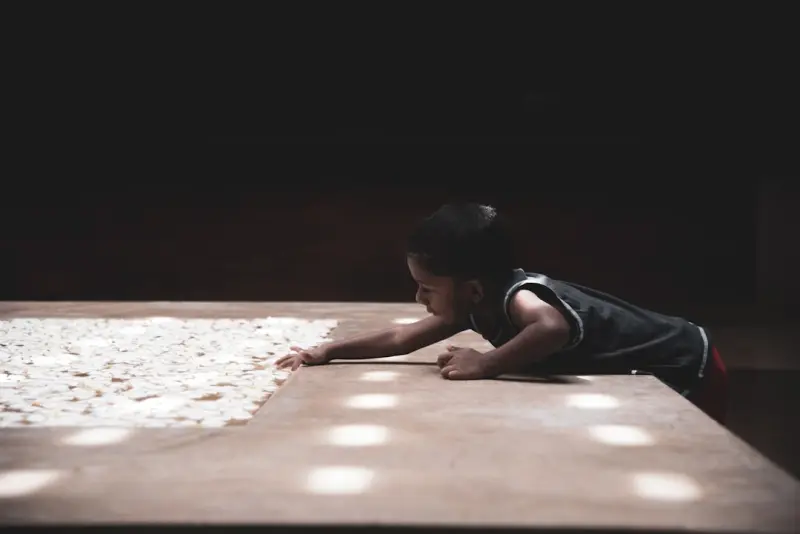
Cultivating Curiosity Through Unstructured Play
Unstructured play isn’t a mess—it’s a learning lab. This post explores how free‑form play, b... Read More
Top Posts

Zero‑Click Search: The Secret Weapon for B2B SaaS Growth
Zero‑click search is reshaping SEO for SaaS. This post explains why featured snippets and structured data matter, offers a 12‑week sprint, and shows how AI ...Read More

The Blogger’s Blueprint: Turning Chaos into a Content Engine with SaaS
Discover a four‑stage content engine that harvests ideas, curates them into an editorial calendar, constructs posts with AI assistance, and cascades assets ac...Read More

When Your Appliances Start Anticipating Your Needs
Smart appliances are evolving from reactive tools to proactive partners that anticipate inventory, optimize energy use, and integrate seamlessly into daily life...Read More

Why Quiet Communities Outperform Viral Campaigns on Social Media
A deep dive into building tight‑knit, purpose‑focused social media communities that generate sustainable leads, higher retention, and real product innovatio...Read More
0 Comments
Post Comment
You will need to Login or Register to comment on this post!