

Why Modular Robotics Are Disrupting Traditional Manufacturing
Industrial production has long relied on monolithic machines that demand massive capital outlays, dedicated floor space, and lengthy change‑over times, but the advent of modular robotics introduces a flexible, plug‑and‑play paradigm that lets factories reconfigure line layouts in hours rather than months, dramatically reducing downtime and enabling rapid response to market fluctuations. These compact, self‑contained units combine advanced actuation, vision systems, and edge computing within a standardized chassis, allowing engineers to swap out functional blocks—such as grippers, conveyors, or inspection sensors—without rewiring entire control networks, which translates into a leaner supply chain and lower total cost of ownership. As a result, manufacturers can scale production capacity on demand, experiment with small‑batch runs, and stay ahead of consumer trends without the financial risk traditionally associated with retooling.
The Economics of Pay‑Per‑Use Robotics in Heavy Industries
Capital‑intensive sectors like steel, automotive, and aerospace have historically faced prohibitive upfront costs when adopting automation, yet a growing pay‑per‑use model—where operators lease robotic cells on an hourly basis and pay only for actual runtime—reframes robotics as an operational expense, aligning costs directly with output and unlocking cash flow for companies that previously could not justify large investments. This consumption‑based approach leverages cloud‑enabled telemetry to track utilization, energy consumption, and wear patterns in real time, providing transparent billing and predictive budgeting that empowers plant managers to allocate resources more efficiently while avoiding hidden maintenance fees. By shifting the financial burden to a scalable service, manufacturers can experiment with cutting‑edge automation, iterate on process improvements, and achieve a faster return on investment without compromising on performance or reliability.
Smart Sensor Networks: The Nervous System of Modern Factories
Embedding dense arrays of smart sensors throughout production lines creates a digital nervous system that continuously monitors temperature, vibration, torque, and acoustic signatures, feeding high‑resolution data into machine‑learning algorithms that detect anomalies before they become costly failures, thereby extending equipment lifespan and boosting overall equipment effectiveness. These sensor ecosystems communicate over secure, low‑latency wireless protocols, eliminating the need for extensive cabling and enabling plug‑and‑play expansion as new machinery is introduced, while edge analytics perform real‑time filtering to reduce bandwidth usage and ensure that only actionable insights reach the central control platform. By transforming raw measurements into predictive signals, factories can shift from reactive maintenance schedules to truly proactive strategies, turning downtime into a rare exception rather than an inevitability.
Designing for Circularity: Reusable Components in Industrial Equipment
Traditional industrial equipment often follows a linear lifecycle—manufacture, use, and discard—yet a circular design philosophy emphasizes reusable modules, standardized fasteners, and recyclable materials that allow components to be recovered, refurbished, or repurposed at the end of their service life, dramatically reducing waste and conserving resources across the supply chain. Engineers are now specifying interchangeable frames, motor housings, and control panels that can be swapped between different product families, enabling a single inventory pool to support multiple applications and decreasing the need for excess spare parts stock, which in turn lowers warehousing costs and minimizes environmental impact. This approach not only aligns with emerging regulatory expectations but also appeals to increasingly sustainability‑focused customers who demand transparent, responsible manufacturing practices.
Edge Computing: Bringing Real‑Time Decision Making to the Factory Floor
While cloud platforms provide powerful analytics capabilities, latency and bandwidth constraints can hinder instantaneous control loops required for high‑speed manufacturing, making edge computing nodes—compact servers positioned directly on the shop floor—essential for executing critical algorithms locally, such as adaptive motion control, fault isolation, and dynamic scheduling, without relying on remote data centers. By processing sensor streams at the edge, factories achieve sub‑millisecond response times that keep high‑speed assembly lines synchronized, reduce network congestion, and maintain operational continuity even during intermittent connectivity, thereby safeguarding productivity and product quality. Moreover, edge devices can aggregate anonymized performance metrics and periodically sync with central systems for long‑term trend analysis, creating a hybrid architecture that balances immediacy with strategic insight.
Human‑Robot Collaboration: Redefining the Role of Skilled Workers
Rather than replacing the workforce, collaborative robots—cobots—are designed to work side‑by‑side with operators, augmenting human dexterity and judgment with repeatable precision, which fosters a symbiotic environment where skilled technicians focus on complex decision‑making while robots handle repetitive tasks, leading to higher overall productivity and lower ergonomic injury rates. Modern cobots feature intuitive teaching interfaces, force‑sensing capabilities, and safety-rated monitored stop functions that allow rapid deployment without extensive re‑programming or safety cages, empowering small and medium‑sized enterprises to adopt automation with minimal disruption. As workers become “robotic supervisors,” they develop new competencies in system integration, data interpretation, and continuous improvement, turning automation into a catalyst for workforce upskilling rather than a source of displacement.
Supply Chain Transparency Through Digital Twins
Creating a digital twin—a virtual replica—of an entire production ecosystem enables manufacturers to simulate material flow, equipment performance, and logistical constraints in a sandbox environment, providing unparalleled visibility into bottlenecks, capacity limits, and cost drivers before physical changes are enacted, which dramatically reduces the risk associated with scaling operations or introducing new product lines. These twins integrate data from enterprise resource planning (ERP) systems, IoT sensors, and supplier databases, allowing stakeholders to run “what‑if” scenarios that evaluate the impact of raw‑material shortages, transportation delays, or regulatory shifts on delivery schedules and profit margins. By grounding strategic decisions in a data‑rich, predictive model, companies can negotiate better terms with vendors, optimize inventory levels, and achieve a resilient, responsive supply chain that adapts fluidly to market dynamics.
Integrating Renewable Energy Into Industrial Power Grids
Manufacturing facilities are increasingly incorporating on‑site renewable generation—such as solar arrays, wind turbines, and waste‑heat recovery systems—into their electrical infrastructure, creating hybrid grids that balance conventional utility power with clean energy sources, thereby reducing carbon footprints and shielding operations from volatile energy prices. Advanced energy management platforms orchestrate load shifting, battery storage, and demand‑response participation, ensuring that high‑energy processes like forging or molding are scheduled during periods of excess renewable output, which maximizes utilization of green power while maintaining production throughput. This convergence of sustainability and cost efficiency not only meets growing stakeholder expectations but also positions manufacturers as leaders in the transition toward a low‑carbon industrial economy.
Future Outlook: The Convergence of Robotics, IoT, and AI‑Enhanced Analytics
Looking ahead, the synergistic integration of modular robotics, pervasive IoT sensor networks, and advanced analytics—powered by machine learning models that continuously refine themselves from operational data—will usher in a new era of self‑optimizing factories where each component autonomously adjusts its parameters to achieve optimal throughput, energy efficiency, and quality, effectively creating a living manufacturing organism that evolves with market demands. This convergence will unlock unprecedented levels of customization, allowing batch sizes to shrink to single‑unit runs without sacrificing economies of scale, and will empower manufacturers to deliver hyper‑personalized products at speed, a capability once reserved for bespoke artisans. As the industry embraces these transformative technologies, the competitive advantage will belong to those who invest early in flexible, data‑driven infrastructures and cultivate a culture of continuous innovation.

Seth Samual is a name that's quickly becoming synonymous with compelling and insightful writing. As a freelance writer, Seth has carved a niche for himself by delivering high-quality content across a diverse range of subjects.
Related Posts
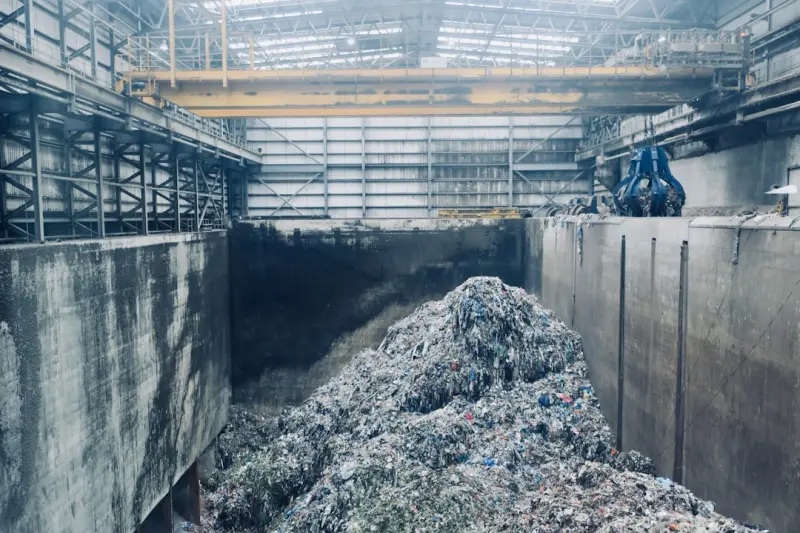
Circular Momentum: Turning Industrial Waste into Competitive Edge
Industrial manufacturers can boost profits and sustainability by redesigning products for modularity... Read More
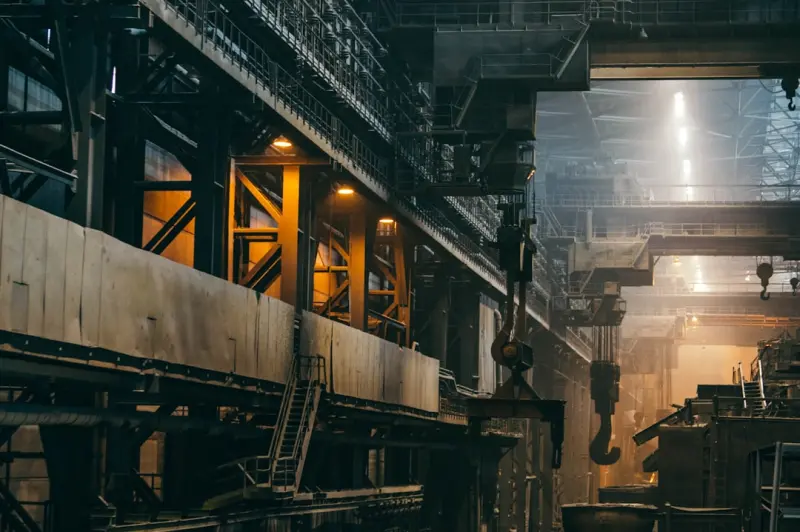
Digital Twins & Predictive Analytics in Industry
Digital twins and predictive analytics are turning reactive maintenance into proactive, data‑drive... Read More
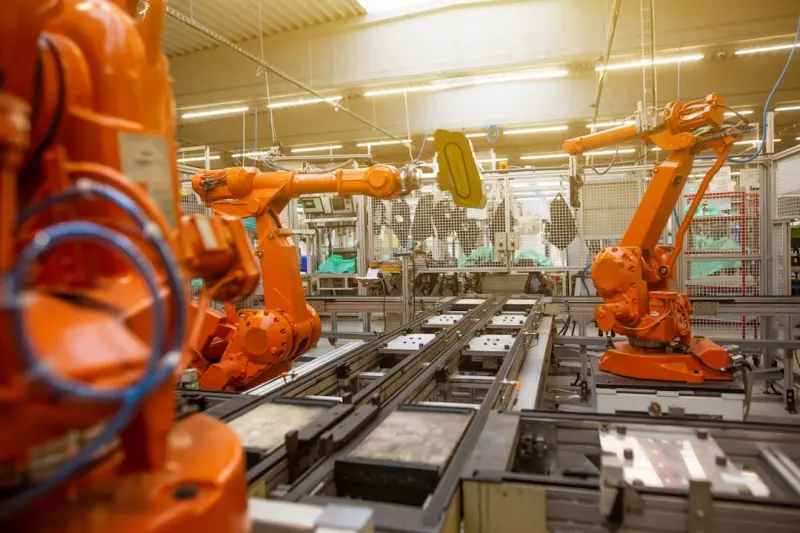
Industrial Products Are Getting Smarter, Subscriptable, and Surprisingly Human
Industrial products are evolving from static assets into subscription‑based, AI‑driven partners.... Read More
Top Posts

Raising Little Environmentalists: A Guide to Sustainable Parenting
Raising little environmentalists requires a commitment to sustainable parenting and a willingness to model environmentally responsible behaviors. Learn how to p...Read More

The Data-Driven Athlete: How Real‑Time Analytics Are Redefining Sports Performance
From smart shoes to AI‑powered feedback, athletes today are becoming their own data scientists. This article dives into the technology, psychology, and ethica...Read More

Walking Meetings: The Unexpected Health Boost Your Workday Needs
Swap conference rooms for sunrise strolls. Learn how walking meetings transform focus, hormone balance, and team trust for a healthier workday....Read More

Beyond Walks: Building a Holistic Wellness Routine for Urban Dogs
A comprehensive guide for city dog owners that blends movement, mental enrichment, nutrition, technology, socialization, and rest into a sustainable wellness ro...Read More
0 Comments
Post Comment
You will need to Login or Register to comment on this post!