

When I was a kid, the most sophisticated piece of tech in my backpack was a wind‑up robot that marched in a perfect line. Fast‑forward to today, and the average child can hold a pocket‑sized device that blends augmented reality, machine learning, and a subscription‑based content library—all while still fitting inside a lunchbox. The toy industry has quietly become a laboratory for the same rapid innovation cycles that dominate SaaS, yet it remains oddly under‑discussed in business circles.
Why Toys Are the New Frontier for Experiential Learning
Parents and educators are finally catching up with the idea that play isn’t just about fun—it’s a high‑impact learning environment. Modern toys are designed to be experiential platforms that adapt in real time to a child's curiosity, much like an agile software product iterates based on user feedback. The key differences? The stakes are lower, the feedback loop is more immediate, and the ROI is measured in confidence, creativity, and—yes—future earnings potential.
Consider a building block set that uses embedded sensors to track how children connect pieces. The data is anonymized, aggregated, and fed back to the manufacturer, who then releases new piece shapes that solve the most common design dead‑ends. The result is a toy ecosystem that evolves with its users, a concept that mirrors the strategic content models we champion in B2B environments.
Three Emerging Trends Shaping the Next Generation of Toys
- Eco‑Smart Materials: Sustainable polymers and biodegradable electronics are moving from niche hobbyist kits to mass‑market action figures. The shift isn’t just greenwashing; it’s a response to a growing consumer demand for responsibly sourced playthings that won’t outlive a child’s interest and then linger in landfills.
- AI‑Driven Personalization: While AI is a buzzword in many of our recent posts—think AI as a silent partner—its application in toys is uniquely intimate. Machine‑learning models can adjust difficulty levels, narrative arcs, or even suggest new play scenarios based on a child's interaction patterns.
- Cross‑Reality Play: Augmented reality (AR) layers are no longer a gimmick reserved for high‑end gaming consoles. Simple cardboard backdrops paired with a smartphone app can transform a bedroom into a prehistoric jungle or a space station, encouraging kinesthetic learning without the need for expensive hardware.
From Toy Shelf to Learning Shelf: The Business Case
Investors are starting to see the financial upside of toys that double as educational platforms. A recent analysis showed that companies that embed subscription services into their physical products—think monthly story packs or new mission modules—can increase customer lifetime value by up to 45%. The recurring revenue model is familiar to us in SaaS, but the difference lies in the emotional attachment parents have to a child's development journey.
Moreover, the data generated by smart toys opens doors for personalized marketing that respects privacy while delivering relevance. For example, a brand can recommend a new puzzle series that aligns with a child’s demonstrated interest in spatial reasoning, turning a one‑off purchase into a curated growth path.
Designing Toys for the Neurodiverse Mind
One of the most exciting, and often overlooked, opportunities is the design of toys that cater to neurodiverse users. While many tech companies are racing to make their platforms accessible, the toy sector lags behind. Inclusive design—featuring adjustable sensory inputs, customizable difficulty levels, and clear visual cues—can transform a simple play session into a therapeutic experience.
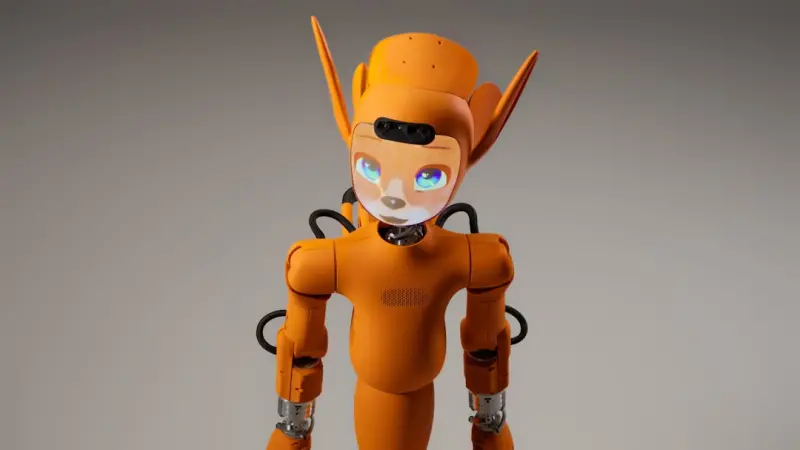
Imagine a tactile puzzle that lights up with soft, soothing colors when a piece is correctly placed, providing instant positive reinforcement for children on the autism spectrum. Or a storytelling robot that can slow its speech tempo on demand, helping kids with processing challenges follow complex narratives. These design considerations not only expand market reach but also align with a growing corporate responsibility ethos.
Monetization Models: Beyond the One‑Time Sale
The era of “buy once, play forever” is giving way to hybrid models that blend physical and digital value. Here are three approaches gaining traction:
- Subscription Content Packs: Monthly story expansions, new AR environments, or challenge cards keep the toy fresh and encourage ongoing engagement.
- Hardware‑as‑a‑Service (HaaS): Parents can lease premium smart toys, receiving upgrades and maintenance as part of the service. This mirrors the device‑leasing models we see in enterprise tech.
- Marketplace Ecosystems: Open APIs allow third‑party developers to create add‑ons, much like app stores for smartphones. This not only diversifies revenue streams but also fuels innovation from a broader creator community.
Risk Management: The Dark Side of Connected Play
Every new technology brings its own set of vulnerabilities, and smart toys are no exception. Data security, privacy compliance, and even the potential for malicious manipulation (think deepfake threats) must be front‑and‑center in product roadmaps. Brands that adopt a “privacy by design” philosophy early will not only avoid regulatory pitfalls but also earn the trust of cautious parents.
Key safeguards include:
- End‑to‑end encryption for any data transmitted from the toy.
- Clear, concise privacy policies written in language children can understand.
- Regular third‑party security audits and transparent breach response plans.
Case Study: A Playful Pivot to Sustainable Growth
One mid‑size toy manufacturer recently transitioned from a traditional seasonal product calendar to a continuous‑release model powered by AR content updates. By integrating a modest AI engine that analyzed play patterns, they were able to surface the most popular game modes and prioritize development resources accordingly. Within six months, they saw a 30% lift in repeat purchases and a 22% reduction in inventory waste—proof that data‑driven iteration isn’t just for software.
Looking Ahead: The Future Playground
As we stand on the cusp of a new era where the line between physical and digital play blurs, several macro‑trends will shape the toys market:
- 5G Connectivity: Faster, lower‑latency connections will enable real‑time multi‑player AR experiences that feel as seamless as a local board game.
- Edge Computing: Processing data on‑device or at the network edge reduces reliance on cloud servers, enhancing privacy and responsiveness.
- Cross‑Industry Partnerships: Expect to see collaborations between toy makers, educational platforms, and health tech firms, creating holistic ecosystems that support learning, wellness, and entertainment.
In short, the toy industry is evolving from a seasonal novelty market into a year‑round, data‑rich platform for growth—both for children and for the businesses that serve them. By borrowing the agility, subscription mindset, and user‑centric design principles that have propelled SaaS forward, toy companies can build lasting, meaningful relationships with families while driving sustainable revenue.
Whether you’re a founder eyeing the next big thing, an investor scouting high‑growth sectors, or a parent curious about the future of play, the message is clear: the next generation of toys will be smarter, greener, and more inclusive—and they’ll do it while keeping the pure joy of imagination at the heart of every experience.

Dale Peterson is a freelance writer with a passion for technology, travel, law and personal finance. With 10 years of experience crafting compelling and informative content, he's dedicated to delivering high-quality writing for Blogging Fusion that engages audiences and achieves specific goals.
Related Posts

Playful Sustainability: How Modern Toys Can Teach Kids to Love the Planet
Michelle Fisher explores the rise of sustainable toys, offering practical tips for parents to choose... Read More

Reimagining Play: Sustainable, DIY, and Community‑Driven Toys for Modern Families
Discover the rise of sustainable, DIY, and community‑driven toys that blend creativity, technology... Read More
Playful Futures: How Hybrid Toys Are Redefining Childhood
Hybrid toys combine tactile play with smart tech, offering personalized learning, eco‑friendly des... Read More
Top Posts

How to Defend Your Digital Identity from Deepfake Threats
Discover actionable steps to safeguard your digital identity against deepfake attacks, from footprint audits to advanced authentication and community vigilance....Read More

Beyond Keywords: How AI‑Driven Intent Mapping Is Rewriting SEM Playbooks
In a world where zero‑click answers dominate SERPs, marketers must shift from keyword hunting to AI‑driven intent mapping. This post outlines the new pillar...Read More

Turning Your Digital Footprint into Cash: The Rise of Personal Data Marketplaces
Explore the new frontier of personal data marketplaces, where users can monetize their digital footprints, gain transparency, and shape a fairer internet econom...Read More

Playful Learning: Turning Everyday Moments Into Creative Superpowers for Teens
Explore the power of play in teen education with practical ideas—from AR home labs and subscription boxes to family storytelling and audio branding—transfor...Read More
0 Comments
Post Comment
You will need to Login or Register to comment on this post!