
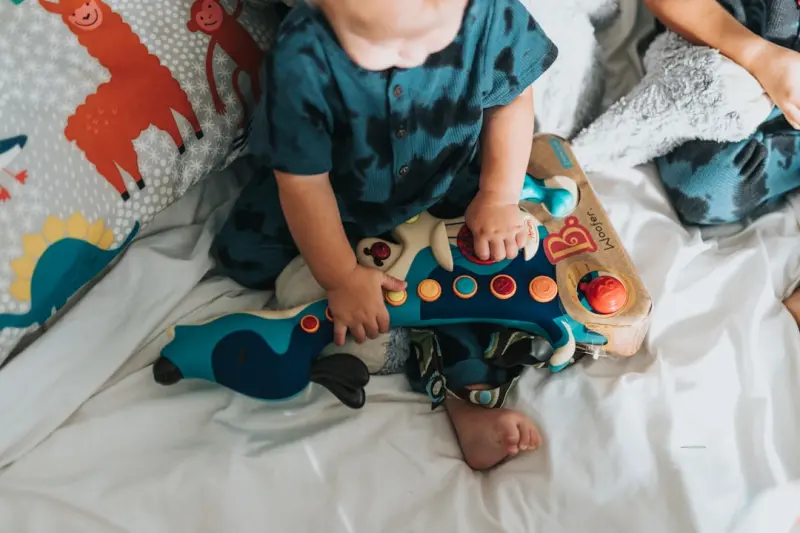
When I first cradled my newborn, the world seemed to shrink to the size of a swaddling blanket and the soft hum of a lullaby. A few months later, my toddler’s curiosity turned every corner of the house into an expedition, and I realized that the everyday objects we overlook can become the most powerful tools for early development. This revelation sparked a mission: to redesign the baby‑and‑toddler environment so it fuels imagination, supports sensory growth, and stays gentle on our planet.
Why “Less is More” Doesn’t Mean “Less Fun”
Modern parenting advice often swings between two extremes: high‑tech gadgets that promise to track every breath, and a return to “back‑to‑basics” living that can feel austere. Both can miss the sweet spot where children thrive—an environment that offers rich, tactile experiences without drowning them in screens or waste.
Think of the playroom as a canvas. The palette isn’t limited to pricey, brand‑name toys; it includes the textures of a bamboo blanket, the resonance of a glass jar, and the pliability of a recycled‑plastic container. By curating these elements thoughtfully, we can nurture curiosity while modeling sustainable habits for the next generation.
1. The Power of Everyday Sensory Stations
Children learn best through multi‑sensory engagement. Here’s how to set up three simple stations using items you already have:
- Texture Tunnel: Line a low‑profile wooden box with fabric scraps—cotton, silk, linen, and even a piece of felt. Let your toddler crawl through, feeling each material with their hands and feet. The varied textures stimulate nerve endings and help build fine motor skills.
- Sound Garden: Fill a shallow tray with dried beans, rice, and popcorn kernels. Add small wooden spoons, metal lids, and silicone spatulas. When your child shakes or taps the tray, they explore cause‑and‑effect while developing auditory discrimination.
- Visual Wonder Wall: Repurpose a pegboard and attach items of different colors and shapes: natural wood beads, sea‑shells, and recycled cardboard cutouts. Encourage your child to sort, match, and create patterns, which strengthens visual processing and early math concepts.
These stations are low‑cost, low‑waste, and can be reconfigured as your child’s interests evolve.
2. Sustainable Swaps That Make a Difference
When it comes to baby gear, sustainability and safety often feel at odds. Yet, the market now offers alternatives that meet both criteria. Below are three swaps that have transformed our routine:
- Cloth Diapers with Organic Liners: Modern cloth diapers feature leak‑proof inserts and snap‑fasteners that rival disposables. Pair them with an organic cotton liner for added comfort and a reduced carbon footprint.
- Reusable Food Pouches: Instead of single‑use silicone pouches, use stainless‑steel bottles with silicone caps. They keep meals fresh, are dishwasher‑safe, and eliminate hundreds of plastic pieces each year.
- Eco‑Friendly Toys: Look for toys crafted from FSC‑certified wood, natural rubber, or recycled plastics. Brands that publish third‑party certifications give you peace of mind about chemical safety.
Each swap may seem small, but the cumulative impact on landfill waste and chemical exposure is significant—especially when you consider the volume of products a child uses over the first five years.
3. Turning Routine Into Ritual
Routines are the backbone of a toddler’s sense of security. However, they don’t have to be monotonous. By weaving intentional, sensory‑rich moments into everyday tasks, you create a tapestry of learning experiences.
Consider the nightly feeding ritual. Instead of a plain bottle, try a sensory feeding kit—a small wooden spoon, a silicone mat, and a set of brightly colored, bite‑size veggie sticks. The tactile feedback of the spoon and the visual contrast of the foods keep the child engaged, fostering fine motor coordination while reinforcing healthy eating habits.
Similarly, a “rain‑check” bath can become an exploration of temperature, scent, and sound. Add a few drops of lavender essential oil (safe for infants) and a handful of floating wooden beads. The gentle aroma soothes, while the beads create a subtle auditory rhythm as they bob and collide.
4. The Role of Storytelling—Without the Screens
Storytelling is a timeless tool for language development, but in the age of streaming services, it’s easy to default to digital narratives. Instead, craft hand‑made story kits that invite your child to become the narrator.
- Fabric Story Bags: Fill a small canvas pouch with felt shapes—animals, vehicles, and nature icons. Let your toddler pick a piece and spin a tale around it. The tactile element reinforces vocabulary and imagination.
- Magnetic Story Boards: Use a magnetic board and a set of recyclable magnets shaped like characters and settings. Children can rearrange scenes, exploring cause‑and‑effect and sequencing.
These analog storytelling moments also double as a screen‑free bonding experience, strengthening emotional connections and building a foundation for later literacy.
5. Harnessing Technology—When It Serves, Not Distracts
While the goal is to keep screens at bay, technology can still play a supportive role—especially when it helps parents make smarter, eco‑conscious choices. For example, the rise of personalized product recommendation engines can guide you toward sustainable baby gear that aligns with your values and budget.
These algorithms sift through thousands of reviews, safety certifications, and environmental impact reports, presenting curated lists that save time and reduce decision fatigue. The key is to use them as a research assistant, not as a substitute for your own judgment.
6. DIY Projects That Grow With Your Child
Investing in DIY projects not only reduces waste but also creates heirloom‑quality items that evolve as your child does. Here are two projects that have become staples in our home:
- Adjustable Play Shelf: Construct a low wooden shelf with removable dividers. As your toddler grows, rearrange the dividers to accommodate larger books, art supplies, or even a miniature indoor garden. The flexibility extends the shelf’s usefulness from infancy through early school years.
- Fabric Sensory Panels: Sew a series of fabric squares onto a sturdy canvas, each square featuring a different material—denim, fleece, burlap, and satin. Hang the panel at eye level. Over time, you can add new squares with textures like cork or rubber, keeping the panel fresh and challenging.
Both projects emphasize durability, modularity, and the joy of creating something with your own hands—a value you’ll pass on to your child.
7. Community Collaboration: Sharing Resources
One of the most rewarding aspects of sustainable parenting is the sense of community that blossoms when families share resources. Start a toy swap circle with neighbors or local parent groups. Not only does this keep toys circulating, but it also introduces children to new experiences without the cost of constant purchases.
Similarly, consider a “baby gear library” where items like high chairs, strollers, or travel cribs can be borrowed for a few weeks. This model reduces the demand for single‑use purchases and creates a supportive network of parents who care about the planet.
8. Measuring Impact Without Obsession
It’s tempting to obsess over every metric—how many plastic bottles saved, the carbon footprint reduction, etc. While data can be motivating, the true measure of success is the visible delight in your child’s eyes when they discover a new texture, hear a new sound, or tell a story they invented.
Occasionally, take a step back and reflect on qualitative milestones: a longer attention span during play, a new word added to their vocabulary, or the calm they exhibit during a bedtime routine. These signals are the real indicators that your sustainable, sensory‑rich environment is nurturing growth.
9. Looking Ahead: A Blueprint for the Next Generation
As we design baby and toddler spaces today, we’re planting seeds for a future where environmental stewardship and curiosity are inseparable. By choosing sustainable materials, encouraging tactile exploration, and leveraging technology responsibly, we equip children with the tools to ask bold questions and seek innovative solutions.
When my son later asks why we use cloth diapers or why his toys are made of bamboo, I’ll have a ready answer—one that ties together the story of a family that chose purpose over convenience, and in doing so, helped shape a brighter, greener world.
In the end, the most powerful lesson we can teach our children is that the world is full of wonder, and it’s our responsibility to protect it while we explore. Let’s build that wonder together, one sustainable, sensory‑rich moment at a time.

Sanji Patel has dedicated 25 years to the SEO industry. As an expert SEO consultant for news publishers, he emphasizes providing both technical and editorial SEO services to news publishers worldwide. He frequently speaks at conferences and events globally and offers annual guest lectures at local universities.
Related Posts
Raising Tiny Eco‑Warriors: A Zero‑Waste Guide for New Parents
A comprehensive guide for parents seeking to reduce their baby’s environmental footprint, offering... Read More
Micro-Adventure Play: Transforming Everyday Spaces into Toddler Exploration Zones
Learn how to turn everyday household items into mini‑adventures that spark curiosity, language, an... Read More
Playful Routines that Supercharge Baby Development
A warm, practical guide showing parents how everyday sensory routines—from texture baskets to natu... Read More
Top Posts
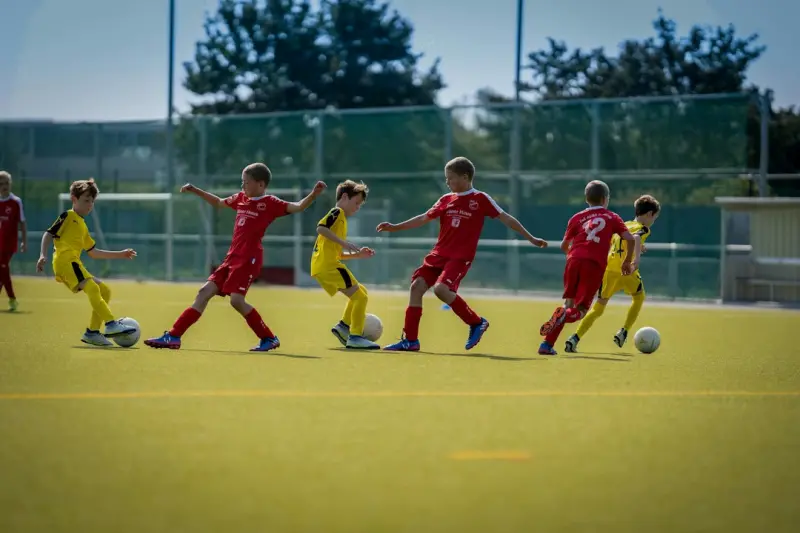
AR Coaching: The Future of Youth Sports Development
Augmented reality is transforming youth sports coaching by delivering instant visual feedback, personalized drills, and real-time analytics, helping kids stay e...Read More

Beyond the Assembly Line: How Digital Twins Are Transforming Industrial Product Lifecycles
Digital twins are moving from novelty to necessity, offering manufacturers a virtual replica of each product that drives predictive maintenance, process optimiz...Read More

How to Defend Your Digital Identity from Deepfake Threats
Discover actionable steps to safeguard your digital identity against deepfake attacks, from footprint audits to advanced authentication and community vigilance....Read More

How Sustainable Living Can Improve Your Pet's Health and Happiness
As a pet owner, I explore how sustainable living can benefit my furry friends. From eco-friendly pet products to sustainable pet food options, I share my journe...Read More
0 Comments
Post Comment
You will need to Login or Register to comment on this post!