
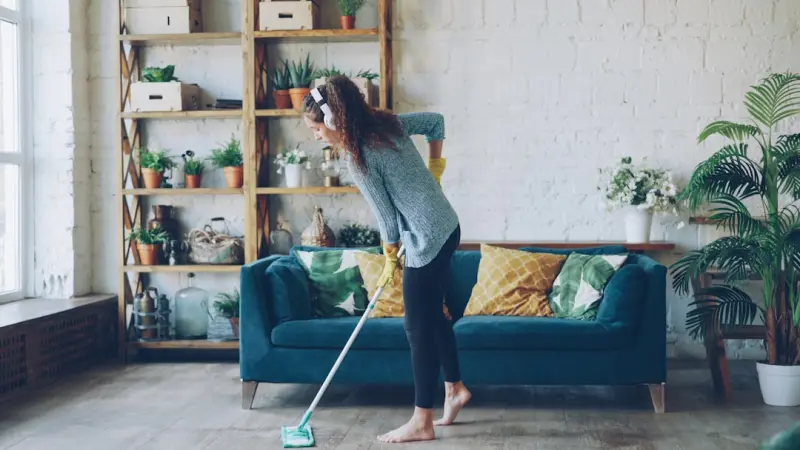
When I first swapped my pantry’s shelf‑stable bleach for a simple mixture of vinegar and baking soda, I didn’t realize I was stepping onto a path that would reshape how I think about every surface in my home. The scent of citrus‑scented, plant‑based cleaners now feels like a small rebellion against the chemical fog that has silently settled in kitchens, bathrooms, and even office cubicles. This isn’t just a trend; it’s a cultural shift toward cleaning that respects both our health and the planet. Below, I’m sharing the mindset, the recipes, and the practical systems that have turned my cleaning routine into a low‑impact, high‑efficiency ritual.
Why Conventional Cleaners Are Failing Us
Most conventional cleaning products are marketed as “powerful” or “fast‑acting,” but their potency often comes from volatile organic compounds (VOCs), synthetic fragrances, and micro‑plastics. These ingredients linger in indoor air, aggravate respiratory conditions, and eventually seep into waterways when flushed down the drain. Moreover, the packaging—usually single‑use plastic bottles—contributes to a staggering amount of waste that rarely returns to a circular loop.
Beyond health concerns, the hidden carbon footprint of manufacturing, transporting, and disposing of these products dwarfs the energy savings we might gain from a quick, surface‑level shine. The real cost is a combination of personal health risk, ecological damage, and a perpetuation of a linear consumption model.
The Core Principles of Zero‑Waste Cleaning
- Concentration Over Dilution: Use highly concentrated formulas that you dilute at the point of use. This slashes packaging volume and extends the life of each bottle.
- Refillable Systems: Invest in glass or stainless‑steel containers that you can refill from bulk dispensers or home‑made concentrates.
- Multi‑Purpose Formulas: One well‑balanced solution can tackle glass, countertops, and even floors, reducing the need for a cabinet full of single‑purpose products.
- Ingredient Transparency: Choose formulas that list every component, preferably sourced from renewable or biodegradable origins.
- Lifecycle Thinking: Consider the end‑of‑life of every item—does the container recycle, compost, or upcycle?
These principles are my compass when I evaluate any new cleaning product. If it doesn’t align, I either tweak it myself or send it back to the shelf.
DIY Recipes That Actually Work
Below are three staple recipes that have replaced a whole shelf of store‑bought cleaners. Each one is safe around pets, children, and the delicate skin of anyone who loves to get their hands dirty.
- All‑Purpose Citrus Spray – 1 cup distilled water, 1/2 cup white vinegar, 10 drops orange essential oil, 1 tsp liquid Castile soap. Shake well and use on countertops, stovetops, and tiled floors.
- Stainless‑Steel Polish – 1/4 cup olive oil, 1/4 cup lemon juice, 1 tsp baking soda. Apply with a microfiber cloth; the oil protects, the lemon cuts grime, and the soda adds gentle abrasion.
- Bathroom De‑Mold Mist – 1 cup hydrogen peroxide (3 %), 1 cup distilled water, 5 drops tea tree oil. Spray after showering to prevent mold buildup without harsh bleach.
These blends are easy to scale, store in amber glass bottles, and label with simple tags so you never mix the wrong batch.
Tools That Replace Disposable Products
Switching formulas is only half the battle. The tools you use can either lock you into a disposable cycle or liberate you from it. Here’s my go‑to toolkit:
- Reusable Microfiber Cloths – Their electrostatic charge captures dust and grime better than paper towels, and a single cloth can be washed hundreds of times.
- Silicone Scrubbers – Flexible, heat‑resistant, and free of abrasive chemicals. They’re perfect for pots, pans, and grout.
- Refill Stations – Many zero‑waste stores now offer bulk dispensers for vinegar, Castile soap, and essential oils. I keep a small, portable refill station in my pantry so I never run out.
- Compost‑Ready Sponges – Made from plant fibers, they break down in a commercial compost facility within weeks.
Each tool is an investment that pays back in reduced waste, lower recurring costs, and a noticeably cleaner home environment.
Building a Sustainable Cleaning Closet
My cleaning closet now resembles a minimalist boutique rather than a chaotic dump. I categorize by function—surface, metal, bathroom—and store each category in a single, clearly labeled jar. The visual simplicity reduces decision fatigue and prevents duplicate purchases.
When I first started this transition, I used a low‑code approach to inventory tracking. By setting up a simple spreadsheet that auto‑calculates refill dates based on usage patterns, I never find myself scrambling for a missing bottle. The spreadsheet also tracks how many plastic bottles I’ve saved each month—a small win that feels big over time.
For those who prefer a more visual system, a set of clear acrylic bins with magnetic lids keeps everything visible while protecting against spills.
The Hidden Cost of Plastic Packaging
Even when a product claims “bio‑degradable,” the reality is that most plastic packaging ends up in landfill because it requires specific industrial composting conditions. The smart sensors used in some modern recycling facilities illustrate how technology can identify and sort materials more accurately, but only if those materials are actually recyclable in the first place.
By consolidating my cleaning supplies into a handful of refillable containers, I have reduced my household’s plastic footprint by roughly 80 % in the past year. That translates to about 150 kg of plastic saved—a tangible metric that motivates me to keep improving.
Integrating Eco‑Cleaning into Busy Lifestyles
Life moves fast, and any cleaning system that feels like an added chore quickly falls apart. My strategy is to weave sustainability into existing habits:
- Morning Routine – While the coffee brews, I quickly wipe down the sink with my All‑Purpose Citrus Spray, turning a five‑minute task into a habit that keeps grime at bay.
- Post‑Meal Ritual – I keep a small spray bottle of diluted vinegar on the dining table; a quick mist and wipe after each meal prevents sticky build‑up without extra product swaps.
- Weekly “Reset” Day – Every Sunday, I run a 20‑minute deep‑clean using my DIY bathroom mist. The routine feels like a spa day for the house, not a chore.
By pairing cleaning actions with existing triggers—coffee, meals, weekly planning—I’ve turned sustainability into a natural extension of my day rather than a separate to‑do list.
Measuring Your Impact
Numbers are powerful motivators. I log two simple metrics in a monthly journal:
- Plastic Bottles Avoided – I count each refill versus a purchased bottle. Over a year, the total is a clear visual of waste reduction.
- Cost Savings – By comparing the cost per ounce of bulk concentrates to store‑bought products, I calculate a direct financial benefit.
Seeing a 60 % reduction in both waste and expense reinforced my commitment and gave me concrete data to share with friends and family who are curious about making the switch.
Future Trends: Smart Refills and Community Sharing
The next frontier for eco‑cleaning lies in technology‑enabled refill stations and community‑based sharing platforms. Imagine a network of neighborhood refill kiosks where you can top up a personal bottle with a QR‑code that tracks your usage, automatically rewards you with discounts, and feeds data back to manufacturers to improve formulas.
In parallel, “cleaning libraries” are emerging—think tool libraries but for sustainable cleaning equipment. Borrow a high‑efficiency steam cleaner for a month, return it, and let someone else benefit. This model dramatically reduces the need for every household to own a specialized appliance, further shrinking resource demand.
These developments echo the larger shift toward circular economies, where products are designed for longevity, reuse, and easy regeneration.
Adopting a zero‑waste cleaning routine is a journey, not a destination. Every small substitution—whether swapping a paper towel for a microfiber cloth or refilling a glass bottle—adds up to a cleaner home, a healthier family, and a lighter footprint on the planet. I invite you to start with one recipe, one tool, and watch the ripple effect grow. The future of home hygiene is sustainable, and it starts with the choices we make today.

Karen Edwards is a seasoned freelance writer with a passion for all things furry, feathered, and scaled. With a dedicated focus on pets, she brings a wealth of knowledge and a keen eye for detail to her writing.
Related Posts
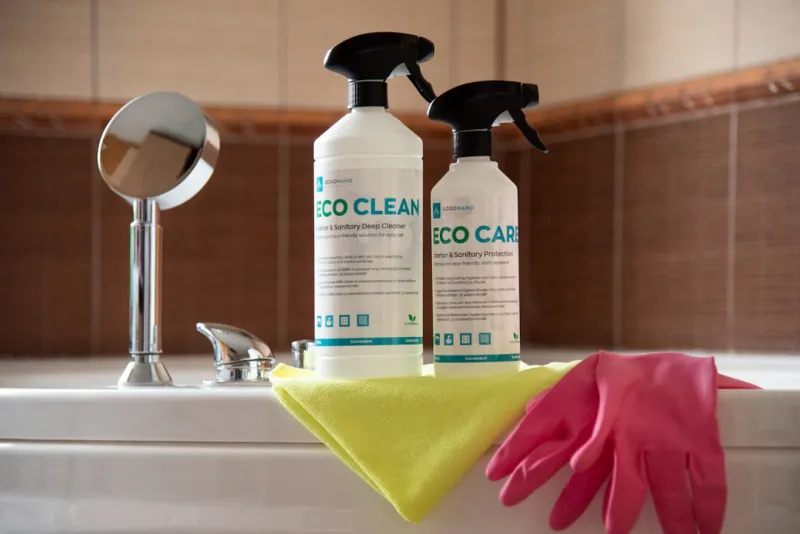
Eco‑Cleaning Unleashed: Paul Flynn’s Blueprint for a Greener Home
Paul Flynn shares his hands‑on eco‑cleaning routine, from kitchen hacks to reusable tools, showi... Read More

Eco‑Cleaning Made Simple: DIY Recipes, Reusable Tools, and Community Swaps for a Greener Home
Learn how to craft zero‑waste cleaning concentrates, swap containers with neighbors, and use recla... Read More
Green Chemistry at Home: Crafting Your Own Eco‑Cleaning Arsenal
A hands‑on guide to replacing chemical cleaners with DIY, plant‑based formulas, complete with re... Read More
Top Posts

The Alarming Rise of Eco-Friendly Scams: How to Protect Yourself
Eco-friendly scams are on the rise, preying on consumers who want to make a positive impact on the environment. Learn how to spot and avoid these scams....Read More
The Intersection of Interior Design and Sustainable Living
Learn how to create a greener home with sustainable interior design. Discover eco-friendly design tips, sustainable materials, and simple swaps to promote a hea...Read More
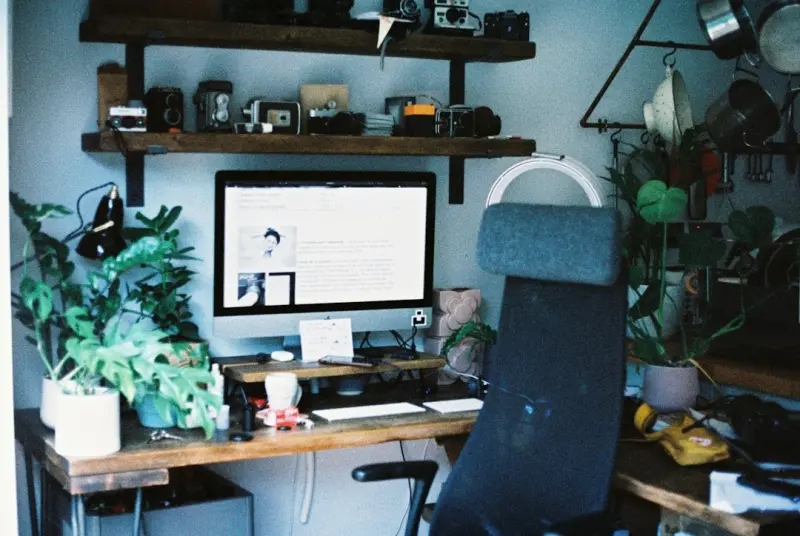
Designing Home Offices That Boost Focus and Calm
A deep dive into color psychology, biophilic elements, acoustic comfort, and ergonomic style, offering actionable tips to craft a home office that fuels product...Read More

Zero‑Click SERP Strategies for Modern Search Engine Marketing
Learn why zero‑click search results are reshaping SEM and get a step‑by‑step playbook for building featured snippets, leveraging schema, and measuring inf...Read More
0 Comments
Post Comment
You will need to Login or Register to comment on this post!