
Why Scams Feel Like a Dark Cloud Over My Sustainable Journey
Ever since I started sharing my love for zero‑waste living and eco‑friendly tech, I’ve noticed a strange shadow lurking behind every bright post and enthusiastic comment—scams. It’s baffling how quickly the goodwill of a community can be hijacked by crafty fraudsters who dress deception in green‑washed language, promising carbon‑neutral miracles that never materialize. Scammers thrive on our desire to make a positive impact, and I’ve learned the hard way that even the most earnest intentions can be weaponized against us.
The Most Common Eco‑Scams You’re Probably Ignoring
From bogus “carbon offset” subscriptions that disappear after the first payment, to fake certifications that claim a product is “organic” when it’s nothing more than a marketing ploy, the variety is staggering. I’ve received emails that mimic reputable sustainability NGOs, complete with official‑sounding logos and urgent pleas to “save the rainforest now” by wiring funds directly to a foreign account. Another favorite of the scammers is the “green gadget” that supposedly reduces your electricity bill by 80 %—a claim that, in reality, often violates basic physics.
How the Green Tech Boom Is Feeding a New Wave of Scams
As we celebrate breakthroughs like Sustainable Software: How Green Coding Is Redefining Development in 2024, a darker side emerges: fraudsters masquerade as innovators, offering “early‑access” beta versions of non‑existent eco‑apps that promise to track your personal carbon footprint with “AI precision.” I once signed up for a so‑called “Zero‑Emission Dashboard” that demanded a hefty upfront fee, only to discover the site vanished after I entered my credit card details. The temptation to be part of the next big sustainable tech wave is strong, but it also opens the door to sophisticated phishing schemes that prey on our optimism.
Red Flags I’ve Learned to Spot (And You Should Too)
One rule I live by is to never trust a message that pressures you with a countdown timer—scammers love urgency to bypass rational thinking. Another tell‑tale sign is poorly written copy that mixes scientific jargon with vague promises; if a “green certification” sounds too good to be true, it probably is. Most importantly, I always verify the sender’s email domain and cross‑check any claimed partnership with the organization’s official website before clicking any link or transferring money.
Building an Online Safety Net in the Sustainable Digital Age
To protect yourself, start by adopting the habits outlined in Online Safety in the Sustainable Digital Age: Dale Peterson’s Playbook, such as enabling two‑factor authentication and using a password manager that generates unique credentials for every account. I’ve also begun using a dedicated “green‑shopping” email address that I reserve solely for newsletters and offers, allowing me to quarantine potential spam without contaminating my primary inbox. Regularly updating your device’s security software and being skeptical of unsolicited attachments are simple steps that can save you from costly identity theft.
Turning Your Sustainable Shopping Passion Into a Scam‑Proof Strategy
When I first read The Sustainable Shopper’s Playbook, I realized that mindful purchasing isn’t just about the planet—it’s also a shield against fraud. By researching brands on reputable third‑party databases and looking for transparent supply‑chain disclosures, you can avoid the lure of “too‑good‑to‑be‑true” deals that often lead to counterfeit products or financial loss. I now keep a running list of verified eco‑brands, and I share it with friends so they can shop confidently without falling for deceptive discounts that mask hidden fees.
The Power of Community Reporting and Collective Vigilance
One of the most rewarding aspects of my eco‑journey has been the solidarity of fellow activists who quickly flag suspicious posts and share warning signs on social platforms. When someone reports a fraudulent “green investment” scheme in a sustainability forum, it not only protects the individual but also safeguards the entire network from being siphoned off. I encourage readers to use platform‑specific reporting tools, post detailed screenshots of suspicious offers, and tag trusted moderators—together we can create a living firewall that adapts as scams evolve.
Empowering Yourself to Thrive Beyond the Scam Culture
Scams will never disappear entirely, but by staying educated, skeptical, and connected, you can continue to champion a greener world without jeopardizing your finances or peace of mind. Remember that every time you question a too‑gleaming promise, you’re reinforcing the very integrity that sustainable living demands. Let’s keep the conversation alive, share our experiences, and turn every close call into a lesson that strengthens the whole community.

When it comes to the world of blogging and writing, Rose DesRochers is a name that stands out. Her passion for creating quality content and connecting with her audience has made her a trusted voice in the industry. Aside from her skills as a writer and blogger, Rose is also known for her compassionate nature.
Related Posts
The Alarming Rise of Scams in the Sustainable Living Space
The sustainable living space has seen a surge in scams, targeting unsuspecting individuals who want ... Read More
The Alarming Rise of Eco-Friendly Scams: How to Protect Yourself
Eco-friendly scams are on the rise, preying on consumers who want to make a positive impact on the e... Read More
The Dark Side of Sustainability: How Scammers Are Exploiting Eco-Friendly Trends
Scammers are increasingly exploiting eco-friendly trends to deceive unsuspecting individuals. Learn ... Read More
Top Posts
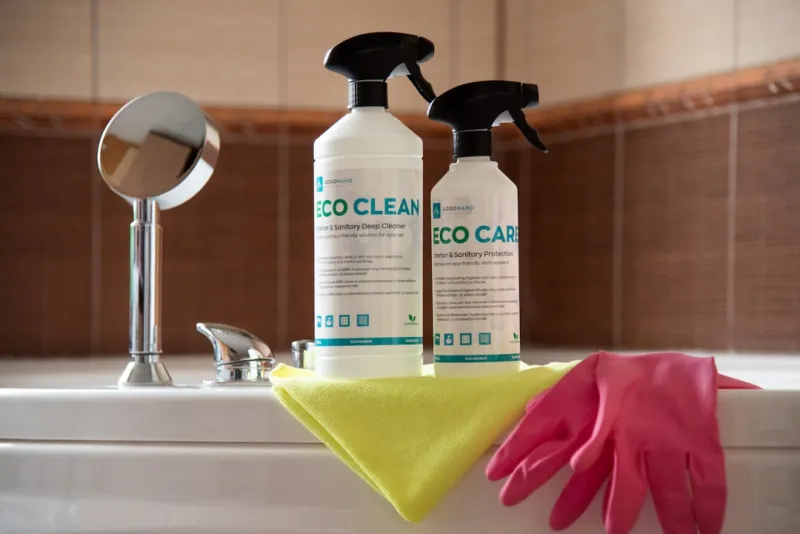
Eco‑Cleaning Unleashed: Paul Flynn’s Blueprint for a Greener Home
Paul Flynn shares his hands‑on eco‑cleaning routine, from kitchen hacks to reusable tools, showing how anyone can adopt a greener, healthier home cleaning h...Read More
The Future of Business: How Technology is Revolutionizing Industries
The future of business is being shaped by technology. From AI to sustainable shopping, learn how the latest trends and innovations are revolutionizing industrie...Read More

Riding the Renewable Wave: Laura Wilson’s Personal Take on the Energy Revolution
Laura Wilson shares her hands‑on journey through the 2024 energy transformation, highlighting solar upgrades, AI‑powered grids, sustainable tech, and green ...Read More

The Evolution of Sustainable Software Development
The software industry is evolving to prioritize sustainability, with a growing movement towards eco-friendly practices. Learn about the principles, challenges, ...Read More
0 Comments
Post Comment
You will need to Login or Register to comment on this post!