

When I first held my newborn son, the world suddenly seemed both larger and smaller. Larger, because every corner of the house became a potential adventure; smaller, because I realized how fragile that adventure could be. I spent countless nights Googling “how to keep kids safe,” only to be overwhelmed by a flood of advice that felt more like a checklist than a strategy. Fast forward a few years, and technology has quietly stepped onto the stage, offering tools that act like an invisible shield—quiet, adaptive, and surprisingly human.
The Evolution From Locks to Learning Algorithms
For generations, child safety meant sturdy locks, baby gates, and a watchful eye. Those physical barriers still matter, but they’re now complemented by smart sensors that understand context, not just presence. Imagine a door that knows the difference between a toddler’s curious tug and the family dog’s wagging tail. The system can send a gentle nudge to your phone, or—if the situation escalates—trigger an audible alert that deters the child before they wander into danger.
My first encounter with this tech was a smart plug that automatically cut power to a kitchen outlet the moment my son’s wristband signaled he was within three feet. The plug didn’t just switch off; it logged the event, letting me see patterns over weeks. Was there a specific time of day when he was most drawn to the stove? Did a particular toy distract him enough to wander? Those insights turned vague worry into concrete action.
Wearables: More Than a Fancy Wristband
Wearables for kids have moved far beyond simple GPS trackers. The new generation is data‑driven wearables that capture heart rate, temperature, and even stress markers. When paired with AI, they can predict moments of heightened risk—like a sudden spike in heart rate that might indicate a child is scared or about to act impulsively.
- Real‑time geofencing: Set virtual boundaries around your home, school, or a friend’s house. If your child steps out, you receive an instant notification.
- Biometric alerts: A sudden drop in temperature could signal a fall or exposure to cold water. The wearable whispers an alert to your phone before you even notice a change.
- Behavioral insights: Over days, the device learns your child’s routines. If they normally nap at 2 p.m. but are unusually active, you get a heads‑up to check on them.
When I first tried a prototype with my daughter, the device flagged a “high‑stress” reading as she approached a crowded playground. A simple, calm voice note from the wearable reminded her to take three deep breaths. Within seconds, she smiled, and the stress marker dipped. That moment crystallized the idea that safety isn’t just about preventing accidents—it’s also about nurturing emotional resilience.
Smart Home Sensors: The Quiet Guardians
While wearables put the child’s data in your pocket, smart home sensors place the safety net in the environment. From smoke detectors that differentiate between burnt toast and a real fire, to motion sensors that recognize a child’s gait, these devices are becoming more attuned to the nuances of daily life.
Consider the multifunctional sensor mat placed by the poolside. It can detect a child’s weight, temperature, and movement pattern. If a child steps onto it, the system can automatically activate a pool cover and send an alert, buying you crucial seconds to react.
One of my favorite integrations is the smart speaker paired with voice‑activated safety commands. By saying, “Hey Home, lock the backdoor,” I can secure the house without pulling out my phone—ideal when I’m juggling a stroller and a grocery bag. And thanks to advances in natural language processing, the speaker can differentiate a child’s playful “lock the door!” from a serious command, reducing false alarms.
Community IoT Networks: Safety That Scales
What if the safety net extended beyond your home and into the neighborhood? Emerging community IoT networks let parents share anonymized safety data, creating a collective awareness that’s greater than the sum of its parts.
Imagine a neighborhood where every child’s wearable contributes to a shared map of “hot zones”—areas where a child’s stress level spikes, or where an unexpected temperature change is detected. Parents receive alerts not just for their own kids, but for any child in the community who might be in danger. It’s a digital version of the old‑school “watch your neighbor’s kids” mentality, amplified by real‑time data.
In my suburb, we’ve piloted a program called “Safe Streets.” The system aggregates data from local wearables and smart streetlights that adjust illumination based on foot traffic patterns. When a group of kids approaches a dark alley, the lights brighten automatically, and a gentle chime reminds them to stay on the well‑lit path. The result? A measurable drop in minor accidents during evening play.
Balancing Privacy With Protection
All this tech sounds fantastic, but it also raises a critical question: How do we protect our kids’ privacy while keeping them safe? The answer lies in digital boundaries that give parents control without turning the child into a data point for advertisers.
- Local processing: Data is analyzed on the device or within the home network, never sent to the cloud unless you explicitly opt‑in.
- Granular permissions: Choose which metrics you share—location might be essential, while heart‑rate data could remain private.
- Expiration policies: Automatically delete historical data after a set period, ensuring that yesterday’s playtime isn’t archived forever.
My family’s approach is simple: we set a “privacy window” of 48 hours for non‑critical data. If an alert isn’t acted upon within that window, it’s purged. This practice eases my mind, knowing we’re not building a lifelong digital dossier of our children.
Integrating Safety Into Everyday Routines
Technology should feel like a seamless extension of parenting, not a separate task list. Here are three habits I’ve adopted to make safety integration effortless:
- Morning “tech check”: While making breakfast, I glance at the dashboard that summarizes overnight sensor alerts, wearable statuses, and any community notifications.
- Play‑time audits: Before heading to the park, I scan the area’s smart lighting and geofencing status via a quick app glance. If a new alert pops up, I adjust the plan.
- Evening debrief: After bedtime, I review the day’s data with my kids, turning it into a conversation about feelings, not just numbers. This builds trust and teaches them to interpret their own signals.
These tiny rituals have turned what could be a tech‑overload into a natural part of our day, reinforcing the invisible shield without making it feel intrusive.
Future Glimpses: What’s Next?
The next wave of child safety tech will likely blend augmented reality (AR) with real‑world navigation. Picture AR glasses that highlight safe routes home, or a heads‑up display that warns a child of a slippery surface before they step on it.
Another exciting frontier is predictive safety modeling. By feeding anonymized community data into AI, systems could forecast where accidents are most likely to happen—like a playground that becomes slippery after rain—and proactively adjust lighting, alert parents, or even temporarily close the area.
While these ideas sound futuristic, the building blocks are already here, waiting to be pieced together. As parents, educators, and innovators, our role is to stitch them into a tapestry that respects autonomy, nurtures confidence, and, most importantly, keeps our kids safe.
Takeaway: A Collaborative Shield
Safety isn’t a solitary endeavor. It’s a collaborative shield built from wearables that listen, homes that sense, neighborhoods that share, and families that set boundaries. The technology is powerful, but the real magic happens when it’s used with intention and compassion.
If you’re curious about taking the first step, start small: equip one child with a data‑driven wearable, explore a smart sensor for a high‑risk area, or join a community safety network. Watch how each layer adds confidence, not just for you, but for the children themselves. In the end, the most advanced shield is still the one that empowers kids to understand and respect their own safety.

Jimmy Stewart is a content creator that gets inspired by many aspects of life, internet or whatever inspires him at that moment. When he's not online he's gaming and when he is not gaming he is online trolling discussion boards.
Related Posts

The Quiet Guardians: How Smart Sensors Are Redefining Kids Safety at Home
Smart sensors and AI-driven insights are quietly transforming homes into proactive safety zones, off... Read More
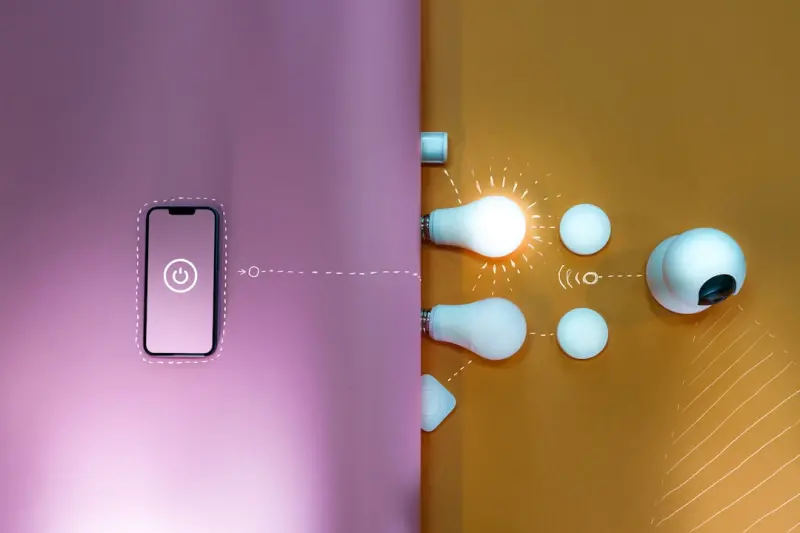
Smart Sensors and Playful Design: Rethinking Kids Safety in a Connected World
A fresh take on kids safety that blends smart sensor tech, AI‑driven safeguards, and gamified educ... Read More

Neighborhood Watch 2.0: Harnessing Community Data to Keep Kids Safe
A fresh look at modern kid safety shows how neighborhoods can become proactive safety networks using... Read More
Top Posts
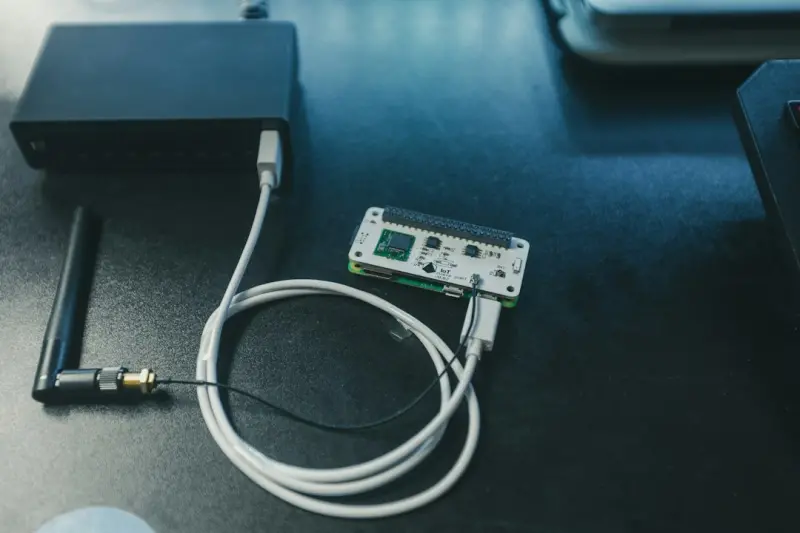
Industrial IoT: How Modular Sensor Networks Are Reinventing Factory Floors
Modular sensor networks replace isolated instruments with plug‑and‑play, edge‑intelligent modules, enabling factories to scale, reduce downtime, and harne...Read More

Rethinking Email as a Two‑Way Conversation Hub
Discover a fresh, conversation‑first approach to email marketing that moves beyond static newsletters, using behavior‑driven sends, deep personalization, in...Read More

Gig Economy Worker Classification: Navigating the Legal Minefield
A deep dive into gig‑economy law, covering employee vs. contractor tests, recent rulings, and actionable advice for workers and platforms navigating classific...Read More

AI as a Silent Partner in Sustainable Product Design
AI can become a silent partner that guides product teams toward sustainable, ethical, and resilient design choices, turning data into actionable insights withou...Read More
0 Comments
Post Comment
You will need to Login or Register to comment on this post!