

Why Sustainable Collectibles Are the Next Big Thing for Adult Toy Lovers
When I was a kid, the thrill of unwrapping a new action figure felt like discovering a secret world. Today, that same spark can be ignited by a responsibly‑made collectible that respects the planet while feeding our inner child. Eco‑conscious collectors are no longer a niche; they’re a growing community that values craftsmanship, story, and sustainability in equal measure. This shift isn’t just about swapping plastic for wood; it’s about redefining what it means to play as an adult—turning a hobby into a statement of values. In this piece, I’ll walk you through the materials, design philosophies, and community dynamics that make sustainable toys a compelling addition to any adult collection.
The Hidden Cost of Conventional Plastic Toys
Most traditional toys sit on shelves made from petroleum‑derived plastics that can linger for centuries in landfills. The production process releases greenhouse gases, and the end‑of‑life disposal often ends in incineration, adding toxic fumes to the atmosphere. For adults who are increasingly aware of their carbon footprints, owning a plastic‑laden figurine can feel contradictory. Moreover, the sheer volume of discarded toys each year contributes to micro‑plastic pollution in oceans, affecting marine life and, ultimately, human health. Understanding these impacts is the first step toward making more mindful purchasing decisions that align with a broader sustainability ethos.
Materials That Turn Play Into a Green Act
Today’s sustainable toys draw from a palette of innovative, low‑impact materials. Bioplastics derived from corn starch or sugarcane offer the same tactile feel as traditional plastics but decompose much faster under industrial composting conditions. Reclaimed wood, sourced from responsibly managed forests or repurposed furniture, adds a warm, tactile quality while sequestering carbon. Even metals are being re‑engineered; recycled aluminum and brass are cast into intricate components, reducing the need for virgin mining. These materials aren’t just eco‑friendly—they also elevate the sensory experience, giving each piece a unique grain, weight, or finish that mass‑produced toys can’t replicate.
Design Meets Nostalgia: The Aesthetic Appeal
Designers are mastering the art of blending retro charm with contemporary minimalism. Think of a classic robot figure reimagined in matte bamboo with subtle laser‑etched details, or a beloved fantasy creature rendered in brushed recycled metal that catches the light in unexpected ways. This marriage of nostalgia and modern aesthetics creates collectibles that feel both familiar and fresh, encouraging adults to display them as functional art rather than mere shelf fillers. By prioritizing quality over quantity, these pieces become heirlooms, capable of being passed down without losing relevance or appeal.
Building Community: Swaps, Markets, and Limited Drops
One of the most exciting aspects of sustainable collecting is the thriving community that surrounds it. Enthusiasts organize swap meets in coworking spaces, where members trade pieces they’ve outgrown for fresh inspiration, keeping the lifecycle of each item in perpetual motion. Online marketplaces dedicated to eco‑friendly collectibles provide a platform for creators to launch limited‑edition drops, fostering a sense of urgency and exclusivity without the waste of overproduction. These gatherings aren’t just about trading; they’re about storytelling, mentorship, and a shared commitment to reducing environmental impact while indulging in play.
Play Value for Grown‑Ups: Stress Relief and Creative Flow
Adults often dismiss toys as frivolous, yet research shows that tactile engagement can lower cortisol levels and boost dopamine, creating a natural stress‑relief loop. Sustainable toys, with their thoughtful textures and weight distribution, enhance this effect. Building modular sets or arranging a curated shelf can become a meditative ritual, sharpening focus and encouraging a flow state similar to that experienced by artists. Moreover, the act of assembling or customizing a piece taps into problem‑solving skills, offering a subtle cognitive workout that feels far more rewarding than scrolling through endless feeds.
Case Study: EcoBrick’s Modular Play System
EcoBrick has pioneered a modular building system that uses reclaimed wood and recycled polymer connectors. Each brick snaps together without the need for adhesives, allowing collectors to reconfigure structures endlessly. The brand releases seasonal themes—urban rooftops, forest canopies, sci‑fi stations—each limited to a small run, encouraging collectors to anticipate and plan future builds. What sets EcoBrick apart is its transparency: every component is traceable via QR codes that reveal material origins and carbon offset contributions. This model exemplifies how sustainability can be woven directly into product design, marketing, and community engagement.
Getting Started: Practical Tips for the Eco‑Conscious Collector
If you’re ready to dip your toes into sustainable collecting, start small. Look for brands that disclose material sourcing and provide end‑of‑life take‑back programs. Attend local swap events or join online forums where members share tips on caring for reclaimed wood or polishing recycled metal without harsh chemicals. For a curated experience, consider a curated toy subscription box that delivers a surprise piece each month, hand‑picked for its eco‑credentials. To deepen your connection with the hobby, explore how creators are co‑creating play experiences through community‑driven design, blurring the line between collector and creator. By investing in quality, you not only reduce waste but also build a collection that tells a story of intention and care.
Looking Ahead: The Future of Adult Toy Play
The convergence of sustainability, design, and community is reshaping the adult toy market into something far richer than a nostalgic pastime. As more manufacturers adopt circular‑economy principles, we’ll see an explosion of modular, repairable, and upgradable pieces that evolve alongside their owners. Imagine a future where your favorite figure can be swapped for a new module, extending its life indefinitely while keeping your display fresh. By embracing these innovations now, we’re not just collecting objects—we’re cultivating a culture where play becomes a catalyst for environmental stewardship and personal growth. The next time you eye a new collectible, ask yourself: does it honor the planet as much as it delights your imagination?

Ryan Stuart is a seasoned freelance features writer, editor, and professional photographer with a passion for exploring the world and capturing its beauty through words and images.
Related Posts

Playful Futures: Sustainable, Smart, and Community‑Driven Toys Redefine Childhood
Discover the new wave of toys that blend sustainability, AI, and community collaboration, turning pl... Read More
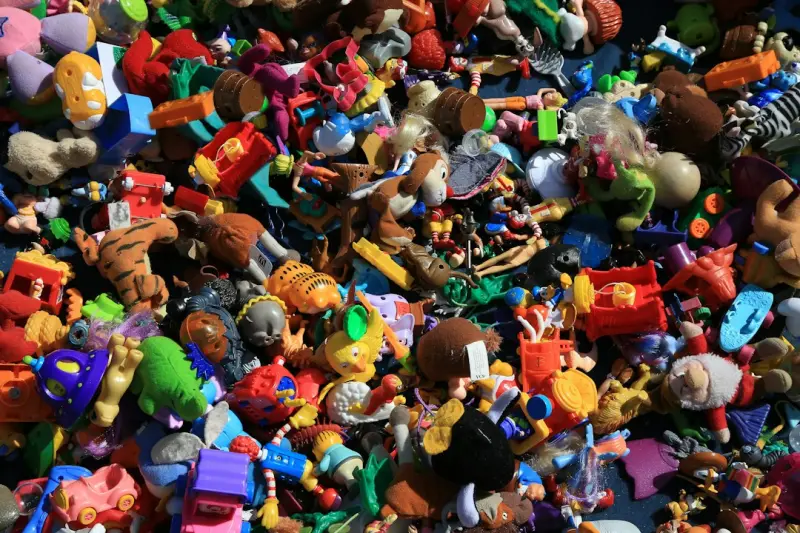
Desk‑Side Distractions: How Curated Toy Collections Boost Executive Focus
A strategic look at why adding high‑quality kinetic sculptures, modular building sets, and analog ... Read More
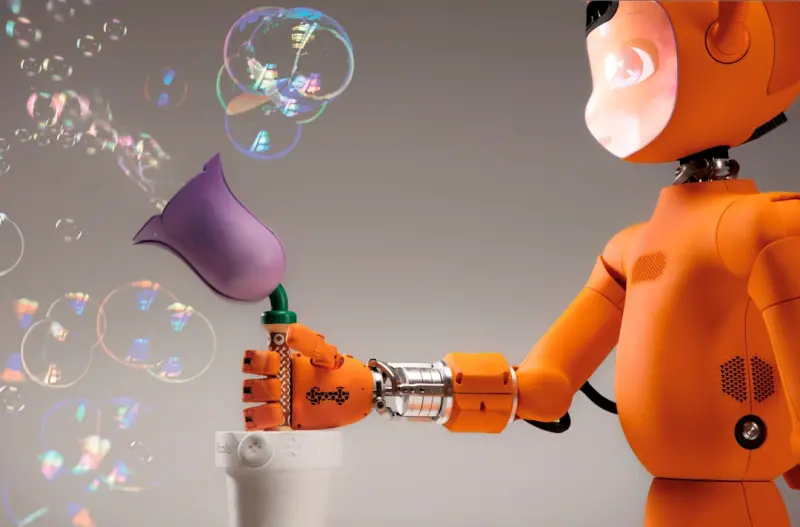
Sustainable Toy Design: Playful Innovation for a Greener Future
A deep dive into sustainable toy design reveals how plant‑based materials, modular systems, and au... Read More
Top Posts

The Intersection of Technology and Sustainability: How Eco-Friendly PCs and Laptops are Revolutionizing the Industry
The tech industry is evolving rapidly, with eco-friendly PCs and laptops leading the way. Learn how sustainable computing can reduce waste, lower energy consump...Read More

Beyond Passwords: Human‑Centric Online Safety for Modern Enterprises
Explore how a human‑focused approach—scenario‑based learning, contextual nudges, and continuous data feedback—can transform online safety from a checkli...Read More

Plant‑Powered Plates: How Sustainable Flavors Are Redefining Our Kitchens
Discover the rise of sustainable flavors—from local sourcing to zero‑waste cooking—and learn how mindful meals can transform your kitchen and the planet....Read More

Reimagining Corporate Learning: How Adaptive Microlearning Is Shaping the Modern Workforce
Adaptive microlearning blends AI-driven personalization with bite‑sized content, embedding learning directly into everyday tools and driving measurable busine...Read More
0 Comments
Post Comment
You will need to Login or Register to comment on this post!